Equality Act
USA119th CongressS-1503| Senate
| Updated: 4/29/2025
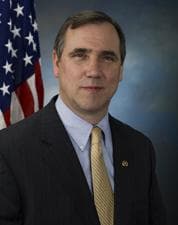
Jeff Merkley
Democratic Senator
Oregon
Cosponsors (46)
Jeanne Shaheen (Democratic)Mazie K. Hirono (Democratic)Angela D. Alsobrooks (Democratic)Tammy Duckworth (Democratic)Margaret Wood Hassan (Democratic)Ruben Gallego (Democratic)Adam B. Schiff (Democratic)Jon Ossoff (Democratic)Catherine Cortez Masto (Democratic)Richard J. Durbin (Democratic)Edward J. Markey (Democratic)Lisa Blunt Rochester (Democratic)Charles E. Schumer (Democratic)Jack Reed (Democratic)Kirsten E. Gillibrand (Democratic)Elizabeth Warren (Democratic)Ben Ray Luján (Democratic)Alex Padilla (Democratic)Christopher A. Coons (Democratic)Mark R. Warner (Democratic)Angus S. King (Independent)Amy Klobuchar (Democratic)John W. Hickenlooper (Democratic)Tim Kaine (Democratic)Sheldon Whitehouse (Democratic)Jacky Rosen (Democratic)Chris Van Hollen (Democratic)Christopher Murphy (Democratic)Martin Heinrich (Democratic)Michael F. Bennet (Democratic)Patty Murray (Democratic)John Fetterman (Democratic)Tina Smith (Democratic)Bernard Sanders (Independent)Brian Schatz (Democratic)Andy Kim (Democratic)Maria Cantwell (Democratic)Tammy Baldwin (Democratic)Cory A. Booker (Democratic)Peter Welch (Democratic)Elissa Slotkin (Democratic)Raphael G. Warnock (Democratic)Gary C. Peters (Democratic)Ron Wyden (Democratic)Richard Blumenthal (Democratic)Mark Kelly (Democratic)
Judiciary Committee
- Introduced
- In Committee
- On Floor
- Passed Chamber
- Enacted
The Equality Act aims to comprehensively prohibit discrimination based on sex, sexual orientation, and gender identity across various sectors of American life. It seeks to expand, clarify, and create greater consistency in protections and remedies against such discrimination. The bill addresses widespread discrimination faced by LGBTQ+ individuals and women in areas like public accommodations, employment, and housing. Specifically, the Act amends the Civil Rights Act of 1964 to include "sex (including sexual orientation and gender identity)" as a protected characteristic. This extends non-discrimination requirements to public accommodations , public facilities, and public education. It also ensures that entities receiving Federal financial assistance cannot discriminate on these grounds. In the realm of employment , the bill modifies Title VII of the Civil Rights Act of 1964, as well as laws governing federal and congressional employees, to explicitly prohibit discrimination based on sexual orientation and gender identity. For housing , it amends the Fair Housing Act to include these protections, addressing discrimination in renting, purchasing, and maintaining housing. These changes aim to ensure equal opportunities in the workplace and housing market. Furthermore, the legislation extends anti-discrimination provisions to equal credit opportunity , preventing denial of credit based on sexual orientation or gender identity. It also amends federal law concerning jury selection , prohibiting discrimination against individuals based on their actual or perceived sexual orientation or gender identity during jury service. This ensures fairness and equal access in financial services and the justice system. The Act introduces new definitions for "gender identity," "sex," and "sexual orientation" within the Civil Rights Act of 1964, clarifying their scope. It also establishes a rule ensuring that individuals cannot be denied access to shared facilities, such as restrooms and locker rooms, consistent with their gender identity. Crucially, the bill specifies that the Religious Freedom Restoration Act cannot be used as a claim or defense against its provisions.
View Full TextSuggested Questions
Get AI-generated questions to help you understand this bill better
Civil Rights and Liberties, Minority Issues
Equality Act
USA119th CongressS-1503| Senate
| Updated: 4/29/2025
The Equality Act aims to comprehensively prohibit discrimination based on sex, sexual orientation, and gender identity across various sectors of American life. It seeks to expand, clarify, and create greater consistency in protections and remedies against such discrimination. The bill addresses widespread discrimination faced by LGBTQ+ individuals and women in areas like public accommodations, employment, and housing. Specifically, the Act amends the Civil Rights Act of 1964 to include "sex (including sexual orientation and gender identity)" as a protected characteristic. This extends non-discrimination requirements to public accommodations , public facilities, and public education. It also ensures that entities receiving Federal financial assistance cannot discriminate on these grounds. In the realm of employment , the bill modifies Title VII of the Civil Rights Act of 1964, as well as laws governing federal and congressional employees, to explicitly prohibit discrimination based on sexual orientation and gender identity. For housing , it amends the Fair Housing Act to include these protections, addressing discrimination in renting, purchasing, and maintaining housing. These changes aim to ensure equal opportunities in the workplace and housing market. Furthermore, the legislation extends anti-discrimination provisions to equal credit opportunity , preventing denial of credit based on sexual orientation or gender identity. It also amends federal law concerning jury selection , prohibiting discrimination against individuals based on their actual or perceived sexual orientation or gender identity during jury service. This ensures fairness and equal access in financial services and the justice system. The Act introduces new definitions for "gender identity," "sex," and "sexual orientation" within the Civil Rights Act of 1964, clarifying their scope. It also establishes a rule ensuring that individuals cannot be denied access to shared facilities, such as restrooms and locker rooms, consistent with their gender identity. Crucially, the bill specifies that the Religious Freedom Restoration Act cannot be used as a claim or defense against its provisions.
View Full TextSuggested Questions
Get AI-generated questions to help you understand this bill better
Jeff Merkley
Democratic Senator
Oregon
Cosponsors (46)
Jeanne Shaheen (Democratic)Mazie K. Hirono (Democratic)Angela D. Alsobrooks (Democratic)Tammy Duckworth (Democratic)Margaret Wood Hassan (Democratic)Ruben Gallego (Democratic)Adam B. Schiff (Democratic)Jon Ossoff (Democratic)Catherine Cortez Masto (Democratic)Richard J. Durbin (Democratic)Edward J. Markey (Democratic)Lisa Blunt Rochester (Democratic)Charles E. Schumer (Democratic)Jack Reed (Democratic)Kirsten E. Gillibrand (Democratic)Elizabeth Warren (Democratic)Ben Ray Luján (Democratic)Alex Padilla (Democratic)Christopher A. Coons (Democratic)Mark R. Warner (Democratic)Angus S. King (Independent)Amy Klobuchar (Democratic)John W. Hickenlooper (Democratic)Tim Kaine (Democratic)Sheldon Whitehouse (Democratic)Jacky Rosen (Democratic)Chris Van Hollen (Democratic)Christopher Murphy (Democratic)Martin Heinrich (Democratic)Michael F. Bennet (Democratic)Patty Murray (Democratic)John Fetterman (Democratic)Tina Smith (Democratic)Bernard Sanders (Independent)Brian Schatz (Democratic)Andy Kim (Democratic)Maria Cantwell (Democratic)Tammy Baldwin (Democratic)Cory A. Booker (Democratic)Peter Welch (Democratic)Elissa Slotkin (Democratic)Raphael G. Warnock (Democratic)Gary C. Peters (Democratic)Ron Wyden (Democratic)Richard Blumenthal (Democratic)Mark Kelly (Democratic)
Judiciary Committee
Civil Rights and Liberties, Minority Issues
- Introduced
- In Committee
- On Floor
- Passed Chamber
- Enacted