Countering Wrongful Detention Act of 2025
USA119th CongressS-1478| Senate
| Updated: 6/18/2025
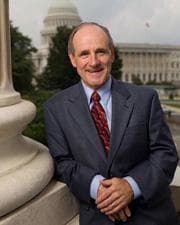
James E. Risch
Republican Senator
Idaho
Cosponsors (1)
Foreign Relations Committee
- Introduced
- In Committee
- On Floor
- Passed Chamber
- Enacted
The "Countering Wrongful Detention Act of 2025" seeks to enhance the United States Government's ability to deter state and non-state actors from wrongfully detaining U.S. nationals for political leverage. This legislation introduces new tools and strengthens existing processes to protect Americans abroad and support those who have been unlawfully detained. A key provision allows the Secretary of State to designate a foreign country as a "State Sponsor of Unlawful or Wrongful Detention" if it supports or engages in such detentions, fails to release a U.S. national within 30 days of notification, or poses a significant risk to U.S. nationals. Upon designation, the Secretary must review potential responses, including various sanctions, visa restrictions, travel restrictions, and limitations on foreign assistance or exports. The bill also requires regular briefings to Congress on these designations and actions, and a public list of designated countries will be maintained. To increase traveler awareness, the bill mandates that air carriers and ticket agents require passengers purchasing tickets to countries with a 'D' (wrongful detention risk) or 'K' (hostage-taking risk) indicator in State Department travel advisories to certify they have reviewed and understand the associated risks. This ensures individuals are informed before traveling to high-risk areas. Furthermore, the Act establishes an Advisory Council on Hostage Taking and Unlawful or Wrongful Detention , composed of former detainees, their family members, and experts. This council will advise federal entities like the Special Presidential Envoy for Hostage Affairs on policies related to hostage-taking and wrongful detention. Finally, the President is required to submit a report to Congress on the structure and potential improvements for existing hostage recovery components, including the Hostage Response Group and Hostage Recovery Fusion Cell, to ensure their effectiveness and efficiency.
Suggested Questions
Get AI-generated questions to help you understand this bill better
Timeline
Introduced in Senate
Read twice and referred to the Committee on Foreign Relations.
Committee on Foreign Relations. Ordered to be reported with an amendment in the nature of a substitute favorably.
Committee on Foreign Relations. Reported by Senator Risch with an amendment in the nature of a substitute. Without written report.
Placed on Senate Legislative Calendar under General Orders. Calendar No. 94.
International Affairs
Advisory bodiesAfghanistanAfricaAsiaBelarusChinaCongressional oversightDetention of personsDiplomacy, foreign officials, Americans abroadDue process and equal protectionEritreaEuropeForeign aid and international reliefGovernment information and archivesHuman rightsInternational organizations and cooperationIranLatin AmericaMiddle EastPresidents and presidential powers, Vice PresidentsRule of law and government transparencyRussiaSanctionsSyriaTrade restrictionsTravel and tourismVenezuela
Countering Wrongful Detention Act of 2025
USA119th CongressS-1478| Senate
| Updated: 6/18/2025
The "Countering Wrongful Detention Act of 2025" seeks to enhance the United States Government's ability to deter state and non-state actors from wrongfully detaining U.S. nationals for political leverage. This legislation introduces new tools and strengthens existing processes to protect Americans abroad and support those who have been unlawfully detained. A key provision allows the Secretary of State to designate a foreign country as a "State Sponsor of Unlawful or Wrongful Detention" if it supports or engages in such detentions, fails to release a U.S. national within 30 days of notification, or poses a significant risk to U.S. nationals. Upon designation, the Secretary must review potential responses, including various sanctions, visa restrictions, travel restrictions, and limitations on foreign assistance or exports. The bill also requires regular briefings to Congress on these designations and actions, and a public list of designated countries will be maintained. To increase traveler awareness, the bill mandates that air carriers and ticket agents require passengers purchasing tickets to countries with a 'D' (wrongful detention risk) or 'K' (hostage-taking risk) indicator in State Department travel advisories to certify they have reviewed and understand the associated risks. This ensures individuals are informed before traveling to high-risk areas. Furthermore, the Act establishes an Advisory Council on Hostage Taking and Unlawful or Wrongful Detention , composed of former detainees, their family members, and experts. This council will advise federal entities like the Special Presidential Envoy for Hostage Affairs on policies related to hostage-taking and wrongful detention. Finally, the President is required to submit a report to Congress on the structure and potential improvements for existing hostage recovery components, including the Hostage Response Group and Hostage Recovery Fusion Cell, to ensure their effectiveness and efficiency.
Suggested Questions
Get AI-generated questions to help you understand this bill better
Timeline
Introduced in Senate
Read twice and referred to the Committee on Foreign Relations.
Committee on Foreign Relations. Ordered to be reported with an amendment in the nature of a substitute favorably.
Committee on Foreign Relations. Reported by Senator Risch with an amendment in the nature of a substitute. Without written report.
Placed on Senate Legislative Calendar under General Orders. Calendar No. 94.
James E. Risch
Republican Senator
Idaho
Cosponsors (1)
Foreign Relations Committee
International Affairs
- Introduced
- In Committee
- On Floor
- Passed Chamber
- Enacted
Advisory bodiesAfghanistanAfricaAsiaBelarusChinaCongressional oversightDetention of personsDiplomacy, foreign officials, Americans abroadDue process and equal protectionEritreaEuropeForeign aid and international reliefGovernment information and archivesHuman rightsInternational organizations and cooperationIranLatin AmericaMiddle EastPresidents and presidential powers, Vice PresidentsRule of law and government transparencyRussiaSanctionsSyriaTrade restrictionsTravel and tourismVenezuela