Cleaner Air Spaces Act of 2025
USA119th CongressS-147| Senate
| Updated: 1/17/2025
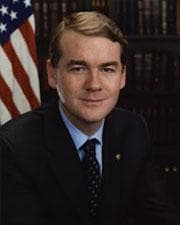
Michael F. Bennet
Democratic Senator
Colorado
Cosponsors (8)
Environment and Public Works Committee
- Introduced
- In Committee
- On Floor
- Passed Chamber
- Enacted
This bill, titled the Cleaner Air Spaces Act of 2025 , directs the Administrator of the Environmental Protection Agency (EPA) to establish a grant program for air pollution control agencies. The purpose of these grants is to implement a cleaner air space program, with individual grants not exceeding $3,000,000, and at least one grant specifically for a Tribal agency. Grant recipients must partner with community-based organizations to establish at least one clean air center in an area at risk of wildland fire smoke. These centers, which are publicly accessible buildings with clean air rooms, must be open and staffed during smoke events. The program also requires agencies to distribute a minimum of 1,000 eligible air filtration units , along with one replacement filter, at no cost to covered households . Covered households are defined as those in low-income communities that include individuals highly vulnerable to negative health effects from wildland fire smoke due to underlying health conditions, disability, or age. The distributed air filtration units must be certified, Energy Star rated, ozone-free, and use true HEPA filters. Agencies are also mandated to provide educational materials on how to best utilize these units and to advertise the availability of clean air centers and the program. Furthermore, the bill requires grant recipients to collect data on the distributed units and conduct anonymous surveys of recipient households regarding unit usage and perceived air quality. The EPA Administrator is then required to submit a report to Congress within three years, summarizing program information, survey responses, and recommendations for improvement or expansion. An appropriation of $30,000,000 is authorized for fiscal years 2026 through 2028 to carry out this program, with up to 10 percent allocated for administrative expenses.
Suggested Questions
Get AI-generated questions to help you understand this bill better
Timeline
Introduced in Senate
Read twice and referred to the Committee on Environment and Public Works.
Environmental Protection
Air qualityCommunity life and organizationCongressional oversightEnvironmental assessment, monitoring, researchEnvironmental technologyFiresForests, forestry, treesHealth technology, devices, suppliesLow- and moderate-income housingState and local government operations
Cleaner Air Spaces Act of 2025
USA119th CongressS-147| Senate
| Updated: 1/17/2025
This bill, titled the Cleaner Air Spaces Act of 2025 , directs the Administrator of the Environmental Protection Agency (EPA) to establish a grant program for air pollution control agencies. The purpose of these grants is to implement a cleaner air space program, with individual grants not exceeding $3,000,000, and at least one grant specifically for a Tribal agency. Grant recipients must partner with community-based organizations to establish at least one clean air center in an area at risk of wildland fire smoke. These centers, which are publicly accessible buildings with clean air rooms, must be open and staffed during smoke events. The program also requires agencies to distribute a minimum of 1,000 eligible air filtration units , along with one replacement filter, at no cost to covered households . Covered households are defined as those in low-income communities that include individuals highly vulnerable to negative health effects from wildland fire smoke due to underlying health conditions, disability, or age. The distributed air filtration units must be certified, Energy Star rated, ozone-free, and use true HEPA filters. Agencies are also mandated to provide educational materials on how to best utilize these units and to advertise the availability of clean air centers and the program. Furthermore, the bill requires grant recipients to collect data on the distributed units and conduct anonymous surveys of recipient households regarding unit usage and perceived air quality. The EPA Administrator is then required to submit a report to Congress within three years, summarizing program information, survey responses, and recommendations for improvement or expansion. An appropriation of $30,000,000 is authorized for fiscal years 2026 through 2028 to carry out this program, with up to 10 percent allocated for administrative expenses.
Suggested Questions
Get AI-generated questions to help you understand this bill better
Timeline
Introduced in Senate
Read twice and referred to the Committee on Environment and Public Works.
Michael F. Bennet
Democratic Senator
Colorado
Cosponsors (8)
Environment and Public Works Committee
Environmental Protection
- Introduced
- In Committee
- On Floor
- Passed Chamber
- Enacted
Air qualityCommunity life and organizationCongressional oversightEnvironmental assessment, monitoring, researchEnvironmental technologyFiresForests, forestry, treesHealth technology, devices, suppliesLow- and moderate-income housingState and local government operations