TSP Fiduciary Security Act of 2025
USA119th CongressS-1368| Senate
| Updated: 4/9/2025
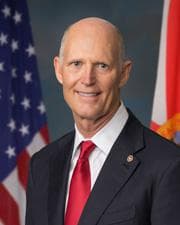
Rick Scott
Republican Senator
Florida
Homeland Security and Governmental Affairs Committee
- Introduced
- In Committee
- On Floor
- Passed Chamber
- Enacted
This legislation establishes a new fiduciary duty for the Federal Retirement Thrift Investment Board, requiring it to manage the Thrift Savings Fund (TSP) in a manner that actively prevents investments and associated voting rights from harming the national security of the United States. Congress finds that the Board's responsibility to beneficiaries, who include civil servants and uniformed service members, inherently includes this national security protection. A temporary provision shields fiduciaries from personal liability for breaches of this specific duty until January 1, 2027. To enforce this, the bill mandates the Secretary of Labor, in consultation with the Secretaries of Defense, Homeland Security, the Attorney General, and the Treasury, to issue regulations within one year. These regulations will establish clear standards for compliance regarding both TSP investments and the exercise of voting rights. The bill specifies that investments in entities on certain U.S. government blacklists, such as those for Communist Chinese military companies or the Commerce Department's entity list, will be presumed non-compliant. Additionally, the exercise of voting rights will be presumed non-compliant if it supports actions that would cause an entity to breach significant federal contracts, reduce production of critical national defense items, or outsource such items to designated "covered countries" like China or Russia. The bill also explicitly prohibits mutual funds accessible through the TSP mutual fund window from investing in any security of entities based in the People's Republic of China or their subsidiaries. Annual reports to Congress will detail compliance reviews and enforcement outcomes.
Suggested Questions
Get AI-generated questions to help you understand this bill better
Timeline
Introduced in Senate
Read twice and referred to the Committee on Homeland Security and Governmental Affairs.
Government Operations and Politics
TSP Fiduciary Security Act of 2025
USA119th CongressS-1368| Senate
| Updated: 4/9/2025
This legislation establishes a new fiduciary duty for the Federal Retirement Thrift Investment Board, requiring it to manage the Thrift Savings Fund (TSP) in a manner that actively prevents investments and associated voting rights from harming the national security of the United States. Congress finds that the Board's responsibility to beneficiaries, who include civil servants and uniformed service members, inherently includes this national security protection. A temporary provision shields fiduciaries from personal liability for breaches of this specific duty until January 1, 2027. To enforce this, the bill mandates the Secretary of Labor, in consultation with the Secretaries of Defense, Homeland Security, the Attorney General, and the Treasury, to issue regulations within one year. These regulations will establish clear standards for compliance regarding both TSP investments and the exercise of voting rights. The bill specifies that investments in entities on certain U.S. government blacklists, such as those for Communist Chinese military companies or the Commerce Department's entity list, will be presumed non-compliant. Additionally, the exercise of voting rights will be presumed non-compliant if it supports actions that would cause an entity to breach significant federal contracts, reduce production of critical national defense items, or outsource such items to designated "covered countries" like China or Russia. The bill also explicitly prohibits mutual funds accessible through the TSP mutual fund window from investing in any security of entities based in the People's Republic of China or their subsidiaries. Annual reports to Congress will detail compliance reviews and enforcement outcomes.
Suggested Questions
Get AI-generated questions to help you understand this bill better
Timeline
Introduced in Senate
Read twice and referred to the Committee on Homeland Security and Governmental Affairs.
Rick Scott
Republican Senator
Florida
Homeland Security and Governmental Affairs Committee
Government Operations and Politics
Related Bills
- Introduced
- In Committee
- On Floor
- Passed Chamber
- Enacted