Strengthening Child Exploitation Enforcement Act
USA119th CongressS-1333| Senate
| Updated: 10/10/2025
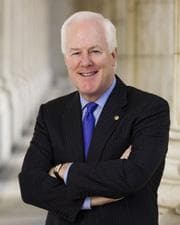
John Cornyn
Republican Senator
Texas
Cosponsors (2)
Judiciary Committee
- Introduced
- In Committee
- On Floor
- Passed Chamber
- Enacted
The act revises the federal kidnapping statute to include cases where a minor is obtained by fraud or deception , thereby broadening the scope of the offense. It also removes the defense that a victim under 16 consented, unless the offender can prove a reasonable belief that the victim was at least 16 years old. Additionally, the bill replaces the phrase crosses a state line with travels in interstate or foreign commerce to clarify jurisdictional reach. A new provision makes it unlawful to intentionally touch a minor’s genitalia in federal maritime, territorial, or prison settings, with penalties that can include fines and imprisonment. The language also establishes that attempts to commit such offenses carry the same penalties as completed acts. The amendment to section 2241(c) applies retroactively to conduct occurring before or after enactment. The bill amends civil rights provisions to broaden the definition of abusive sexual contact and to include attempts to engage in such conduct, thereby tightening enforcement of related offenses. Sentencing guidelines are updated to reference specific subparagraphs of section 2244, ensuring consistent classification of these crimes. Overall, the legislation strengthens federal tools to prosecute kidnapping, sexual abuse, and illicit sexual conduct involving minors, expanding jurisdiction, clarifying intent, and enhancing penalties.
Suggested Questions
Get AI-generated questions to help you understand this bill better
Timeline
Introduced in Senate
Read twice and referred to the Committee on the Judiciary.
Passed Senate without amendment by Unanimous Consent. (text: CR S6843-6844)
Passed/agreed to in Senate: Passed Senate without amendment by Unanimous Consent.
Senate Committee on the Judiciary discharged by Unanimous Consent. (consideration: CR S6843-6844)
Senate Committee on the Judiciary discharged by Unanimous Consent.
Message on Senate action sent to the House.
Received in the House.
Held at the desk.
Crime and Law Enforcement
Child safety and welfareCrimes against childrenCriminal procedure and sentencingDomestic violence and child abuseSex offensesViolent crime
Strengthening Child Exploitation Enforcement Act
USA119th CongressS-1333| Senate
| Updated: 10/10/2025
The act revises the federal kidnapping statute to include cases where a minor is obtained by fraud or deception , thereby broadening the scope of the offense. It also removes the defense that a victim under 16 consented, unless the offender can prove a reasonable belief that the victim was at least 16 years old. Additionally, the bill replaces the phrase crosses a state line with travels in interstate or foreign commerce to clarify jurisdictional reach. A new provision makes it unlawful to intentionally touch a minor’s genitalia in federal maritime, territorial, or prison settings, with penalties that can include fines and imprisonment. The language also establishes that attempts to commit such offenses carry the same penalties as completed acts. The amendment to section 2241(c) applies retroactively to conduct occurring before or after enactment. The bill amends civil rights provisions to broaden the definition of abusive sexual contact and to include attempts to engage in such conduct, thereby tightening enforcement of related offenses. Sentencing guidelines are updated to reference specific subparagraphs of section 2244, ensuring consistent classification of these crimes. Overall, the legislation strengthens federal tools to prosecute kidnapping, sexual abuse, and illicit sexual conduct involving minors, expanding jurisdiction, clarifying intent, and enhancing penalties.
Suggested Questions
Get AI-generated questions to help you understand this bill better
Timeline
Introduced in Senate
Read twice and referred to the Committee on the Judiciary.
Passed Senate without amendment by Unanimous Consent. (text: CR S6843-6844)
Passed/agreed to in Senate: Passed Senate without amendment by Unanimous Consent.
Senate Committee on the Judiciary discharged by Unanimous Consent. (consideration: CR S6843-6844)
Senate Committee on the Judiciary discharged by Unanimous Consent.
Message on Senate action sent to the House.
Received in the House.
Held at the desk.
John Cornyn
Republican Senator
Texas
Cosponsors (2)
Judiciary Committee
Crime and Law Enforcement
- Introduced
- In Committee
- On Floor
- Passed Chamber
- Enacted
Child safety and welfareCrimes against childrenCriminal procedure and sentencingDomestic violence and child abuseSex offensesViolent crime