Raise the Wage Act of 2025
USA119th CongressS-1332| Senate
| Updated: 4/8/2025
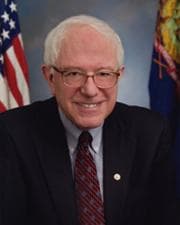
Bernard Sanders
Independent Senator
Vermont
Cosponsors (34)
Mazie K. Hirono (Democratic)Angela D. Alsobrooks (Democratic)Tammy Duckworth (Democratic)Ruben Gallego (Democratic)Adam B. Schiff (Democratic)Richard J. Durbin (Democratic)Edward J. Markey (Democratic)Lisa Blunt Rochester (Democratic)Jack Reed (Democratic)Kirsten E. Gillibrand (Democratic)Elizabeth Warren (Democratic)Alex Padilla (Democratic)Christopher A. Coons (Democratic)Amy Klobuchar (Democratic)Tim Kaine (Democratic)Sheldon Whitehouse (Democratic)Chris Van Hollen (Democratic)Christopher Murphy (Democratic)Patty Murray (Democratic)John Fetterman (Democratic)Tina Smith (Democratic)Brian Schatz (Democratic)Andy Kim (Democratic)Maria Cantwell (Democratic)Tammy Baldwin (Democratic)Cory A. Booker (Democratic)Peter Welch (Democratic)Jeff Merkley (Democratic)Elissa Slotkin (Democratic)Raphael G. Warnock (Democratic)Gary C. Peters (Democratic)Ron Wyden (Democratic)Richard Blumenthal (Democratic)Mark Kelly (Democratic)
Health, Education, Labor, and Pensions Committee
- Introduced
- In Committee
- On Floor
- Passed Chamber
- Enacted
This bill aims to substantially increase the federal minimum wage through a phased approach. It proposes raising the general minimum wage from its current level to $9.50 an hour upon the bill's effective date, and then incrementally to $17.00 an hour over the next five years. Beginning six years after the effective date, the minimum wage would be annually adjusted based on the increase in the median hourly wage of all employees, as determined by the Bureau of Labor Statistics. A significant provision of the bill addresses tipped employees , gradually increasing their cash wage over six years until it equals the full federal minimum wage. This change would effectively eliminate the separate minimum wage for tipped employees. Employers would also be required to inform employees of their right to retain all tips received. The legislation also targets sub-minimum wages for newly hired employees under 20 and individuals with disabilities . For youth, the current sub-minimum wage would gradually increase until it matches the general federal minimum wage. Similarly, the bill mandates a phased increase in wages for individuals with disabilities, reaching the full federal minimum wage over five years, and prohibits the issuance of new special certificates that allow employers to pay sub-minimum wages to this group. The Secretary of Labor is tasked with providing transition assistance to employers and information to employees with disabilities. Finally, the bill requires the Secretary of Labor to publish notices in the Federal Register and on the Department of Labor website at least 60 days before any scheduled minimum wage increase takes effect. The general effective date for the act and its amendments is set for the first day of the third month following its enactment.
View Full TextSuggested Questions
Get AI-generated questions to help you understand this bill better
Timeline
Introduced in Senate
Read twice and referred to the Committee on Health, Education, Labor, and Pensions.
Labor and Employment
Raise the Wage Act of 2025
USA119th CongressS-1332| Senate
| Updated: 4/8/2025
This bill aims to substantially increase the federal minimum wage through a phased approach. It proposes raising the general minimum wage from its current level to $9.50 an hour upon the bill's effective date, and then incrementally to $17.00 an hour over the next five years. Beginning six years after the effective date, the minimum wage would be annually adjusted based on the increase in the median hourly wage of all employees, as determined by the Bureau of Labor Statistics. A significant provision of the bill addresses tipped employees , gradually increasing their cash wage over six years until it equals the full federal minimum wage. This change would effectively eliminate the separate minimum wage for tipped employees. Employers would also be required to inform employees of their right to retain all tips received. The legislation also targets sub-minimum wages for newly hired employees under 20 and individuals with disabilities . For youth, the current sub-minimum wage would gradually increase until it matches the general federal minimum wage. Similarly, the bill mandates a phased increase in wages for individuals with disabilities, reaching the full federal minimum wage over five years, and prohibits the issuance of new special certificates that allow employers to pay sub-minimum wages to this group. The Secretary of Labor is tasked with providing transition assistance to employers and information to employees with disabilities. Finally, the bill requires the Secretary of Labor to publish notices in the Federal Register and on the Department of Labor website at least 60 days before any scheduled minimum wage increase takes effect. The general effective date for the act and its amendments is set for the first day of the third month following its enactment.
View Full TextSuggested Questions
Get AI-generated questions to help you understand this bill better
Timeline
Introduced in Senate
Read twice and referred to the Committee on Health, Education, Labor, and Pensions.
Bernard Sanders
Independent Senator
Vermont
Cosponsors (34)
Mazie K. Hirono (Democratic)Angela D. Alsobrooks (Democratic)Tammy Duckworth (Democratic)Ruben Gallego (Democratic)Adam B. Schiff (Democratic)Richard J. Durbin (Democratic)Edward J. Markey (Democratic)Lisa Blunt Rochester (Democratic)Jack Reed (Democratic)Kirsten E. Gillibrand (Democratic)Elizabeth Warren (Democratic)Alex Padilla (Democratic)Christopher A. Coons (Democratic)Amy Klobuchar (Democratic)Tim Kaine (Democratic)Sheldon Whitehouse (Democratic)Chris Van Hollen (Democratic)Christopher Murphy (Democratic)Patty Murray (Democratic)John Fetterman (Democratic)Tina Smith (Democratic)Brian Schatz (Democratic)Andy Kim (Democratic)Maria Cantwell (Democratic)Tammy Baldwin (Democratic)Cory A. Booker (Democratic)Peter Welch (Democratic)Jeff Merkley (Democratic)Elissa Slotkin (Democratic)Raphael G. Warnock (Democratic)Gary C. Peters (Democratic)Ron Wyden (Democratic)Richard Blumenthal (Democratic)Mark Kelly (Democratic)
Health, Education, Labor, and Pensions Committee
Labor and Employment
Related Bills
- Introduced
- In Committee
- On Floor
- Passed Chamber
- Enacted