Project Safe Neighborhoods Reauthorization Act of 2025
USA119th CongressS-1300| Senate
| Updated: 4/3/2025
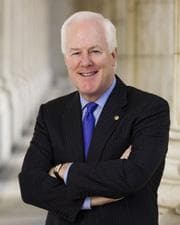
John Cornyn
Republican Senator
Texas
Cosponsors (7)
Judiciary Committee
- Introduced
- In Committee
- On Floor
- Passed Chamber
- Enacted
This legislation, titled the Project Safe Neighborhoods Reauthorization Act of 2025, extends the authorization for the Project Safe Neighborhoods Grant Program for fiscal years 2026 through 2030. The program, originally launched in 2001, is a nationwide initiative that unites federal, state, local, and Tribal law enforcement, prosecutors, and community leaders to collaboratively tackle pressing crime problems. It operates across all 94 federal judicial districts, employing key components such as community engagement, prevention, intervention, and strategic enforcement to reduce violent crime. The bill significantly expands the permissible uses of funds under the program. Grantees will now be able to use funds for hiring crime analysts , covering overtime costs for law enforcement officers, prosecutors, and newly defined law enforcement assistants , and for purchasing and implementing technology to assist with violent crime reduction efforts. Furthermore, the legislation specifically allows for the support of multi-jurisdictional task forces , enhancing collaborative crime-fighting strategies. To ensure greater accountability, the bill introduces new transparency requirements . Annually, the Attorney General must submit a report to the Judiciary Committees of both the Senate and the House of Representatives. This report will detail how funds were spent in each operational area, describe community outreach efforts, and provide comprehensive data on violent crime offenses, including murder, rape, robbery, and aggravated assault, committed in those areas.
View Full TextSuggested Questions
Get AI-generated questions to help you understand this bill better
Timeline
Introduced in Senate
Read twice and referred to the Committee on the Judiciary.
Crime and Law Enforcement
Community life and organizationCongressional oversightEmployee hiringLaw enforcement administration and fundingLaw enforcement officers
Project Safe Neighborhoods Reauthorization Act of 2025
USA119th CongressS-1300| Senate
| Updated: 4/3/2025
This legislation, titled the Project Safe Neighborhoods Reauthorization Act of 2025, extends the authorization for the Project Safe Neighborhoods Grant Program for fiscal years 2026 through 2030. The program, originally launched in 2001, is a nationwide initiative that unites federal, state, local, and Tribal law enforcement, prosecutors, and community leaders to collaboratively tackle pressing crime problems. It operates across all 94 federal judicial districts, employing key components such as community engagement, prevention, intervention, and strategic enforcement to reduce violent crime. The bill significantly expands the permissible uses of funds under the program. Grantees will now be able to use funds for hiring crime analysts , covering overtime costs for law enforcement officers, prosecutors, and newly defined law enforcement assistants , and for purchasing and implementing technology to assist with violent crime reduction efforts. Furthermore, the legislation specifically allows for the support of multi-jurisdictional task forces , enhancing collaborative crime-fighting strategies. To ensure greater accountability, the bill introduces new transparency requirements . Annually, the Attorney General must submit a report to the Judiciary Committees of both the Senate and the House of Representatives. This report will detail how funds were spent in each operational area, describe community outreach efforts, and provide comprehensive data on violent crime offenses, including murder, rape, robbery, and aggravated assault, committed in those areas.
View Full TextSuggested Questions
Get AI-generated questions to help you understand this bill better
Timeline
Introduced in Senate
Read twice and referred to the Committee on the Judiciary.
John Cornyn
Republican Senator
Texas
Cosponsors (7)
Judiciary Committee
Crime and Law Enforcement
- Introduced
- In Committee
- On Floor
- Passed Chamber
- Enacted
Community life and organizationCongressional oversightEmployee hiringLaw enforcement administration and fundingLaw enforcement officers