Servicemembers and Veterans Empowerment and Support Act of 2025
USA119th CongressS-1245| Senate
| Updated: 7/30/2025
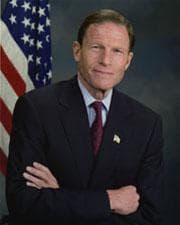
Richard Blumenthal
Democratic Senator
Connecticut
Cosponsors (14)
Jeanne Shaheen (Democratic)Mazie K. Hirono (Democratic)Jon Ossoff (Democratic)Kirsten E. Gillibrand (Democratic)Christopher A. Coons (Democratic)Angus S. King (Independent)John W. Hickenlooper (Democratic)John Boozman (Republican)Sheldon Whitehouse (Democratic)Chris Van Hollen (Democratic)Patty Murray (Democratic)John Fetterman (Democratic)Cory A. Booker (Democratic)Lisa Murkowski (Republican)
Veterans' Affairs Committee
- Introduced
- In Committee
- On Floor
- Passed Chamber
- Enacted
The Servicemembers and Veterans Empowerment and Support Act of 2025 aims to significantly expand and improve Department of Veterans Affairs (VA) healthcare and benefits for individuals who have experienced military sexual trauma (MST). It addresses various aspects, including the definition of MST, the processing of disability compensation claims, and access to healthcare services. The bill seeks to create a more supportive and less re-traumatizing experience for survivors. A central focus of the bill is to reform the processing of disability compensation claims related to MST. It establishes new criteria for evaluating these claims, requiring the VA to consider a mental health diagnosis, a medical link between current symptoms and MST, and credible corroborating evidence . This evidence can include non-military sources such as law enforcement records, statements from family or peers, and documented behavioral changes like substance abuse or requests for transfer. The VA must inform veterans about these evidence types and allow them to furnish such information. To ensure a more sensitive and respectful claims process, the bill mandates several changes in VA communication and support. A workgroup will review all MST-related correspondence to prevent re-traumatization and ensure dignity. Furthermore, all written communications to individuals who have experienced MST, including notices and decisions, must include contact information for VA MST coordinators, the Veterans Crisis Line, and local VA facilities and Vet Centers. This aims to connect survivors with immediate support and resources. The legislation expands eligibility for MST counseling and treatment to all former members of the reserve components of the armed forces, regardless of their duty status or line of duty determination. It also grants veterans the choice to have their MST-related medical examinations conducted at a VA medical facility by a qualified VA employee, rather than by a contractor. This provision seeks to provide a more comfortable and trusted environment for sensitive examinations. The bill introduces measures for increased oversight and accountability in MST claims processing. It requires the VA to conduct a study on the quality of training for personnel handling MST claims and the accuracy of processing procedures. Additionally, an annual special focus review will assess the accuracy of MST disability compensation claims, with a mandate to reprocess any claims found to have errors. This annual review will continue until accuracy rates reach 95% for five consecutive years, ensuring continuous improvement and proper adjudication of claims. Finally, the bill addresses emerging issues and specific populations. It mandates a report on MST in the digital age, evaluating gaps in coverage for trauma involving online communications and the feasibility of expanding care for non-sexual trauma via digital means. For individuals who withdraw from service academies due to MST, the VA must provide information on care eligibility and access to relevant service treatment or investigative records.
Suggested Questions
Get AI-generated questions to help you understand this bill better
Timeline
Bill from Previous Congress
S 117-3025Servicemembers and Veterans Empowerment and Support Act of 2021
Bill from Previous Congress
S 118-1028Servicemembers and Veterans Empowerment and Support Act of 2023
Introduced in Senate
Read twice and referred to the Committee on Veterans' Affairs.
Committee on Veterans' Affairs. Ordered to be reported with an amendment in the nature of a substitute favorably.
Armed Forces and National Security
Advisory bodiesAssault and harassment offensesCongressional oversightCrime victimsDisability assistanceEmployment and training programsEvidence and witnessesGovernment information and archivesGovernment studies and investigationsHealth care coverage and accessMental healthSex offensesVeterans' medical careVeterans' pensions and compensation
Servicemembers and Veterans Empowerment and Support Act of 2025
USA119th CongressS-1245| Senate
| Updated: 7/30/2025
The Servicemembers and Veterans Empowerment and Support Act of 2025 aims to significantly expand and improve Department of Veterans Affairs (VA) healthcare and benefits for individuals who have experienced military sexual trauma (MST). It addresses various aspects, including the definition of MST, the processing of disability compensation claims, and access to healthcare services. The bill seeks to create a more supportive and less re-traumatizing experience for survivors. A central focus of the bill is to reform the processing of disability compensation claims related to MST. It establishes new criteria for evaluating these claims, requiring the VA to consider a mental health diagnosis, a medical link between current symptoms and MST, and credible corroborating evidence . This evidence can include non-military sources such as law enforcement records, statements from family or peers, and documented behavioral changes like substance abuse or requests for transfer. The VA must inform veterans about these evidence types and allow them to furnish such information. To ensure a more sensitive and respectful claims process, the bill mandates several changes in VA communication and support. A workgroup will review all MST-related correspondence to prevent re-traumatization and ensure dignity. Furthermore, all written communications to individuals who have experienced MST, including notices and decisions, must include contact information for VA MST coordinators, the Veterans Crisis Line, and local VA facilities and Vet Centers. This aims to connect survivors with immediate support and resources. The legislation expands eligibility for MST counseling and treatment to all former members of the reserve components of the armed forces, regardless of their duty status or line of duty determination. It also grants veterans the choice to have their MST-related medical examinations conducted at a VA medical facility by a qualified VA employee, rather than by a contractor. This provision seeks to provide a more comfortable and trusted environment for sensitive examinations. The bill introduces measures for increased oversight and accountability in MST claims processing. It requires the VA to conduct a study on the quality of training for personnel handling MST claims and the accuracy of processing procedures. Additionally, an annual special focus review will assess the accuracy of MST disability compensation claims, with a mandate to reprocess any claims found to have errors. This annual review will continue until accuracy rates reach 95% for five consecutive years, ensuring continuous improvement and proper adjudication of claims. Finally, the bill addresses emerging issues and specific populations. It mandates a report on MST in the digital age, evaluating gaps in coverage for trauma involving online communications and the feasibility of expanding care for non-sexual trauma via digital means. For individuals who withdraw from service academies due to MST, the VA must provide information on care eligibility and access to relevant service treatment or investigative records.
Suggested Questions
Get AI-generated questions to help you understand this bill better
Timeline
Bill from Previous Congress
S 117-3025Servicemembers and Veterans Empowerment and Support Act of 2021
Bill from Previous Congress
S 118-1028Servicemembers and Veterans Empowerment and Support Act of 2023
Introduced in Senate
Read twice and referred to the Committee on Veterans' Affairs.
Committee on Veterans' Affairs. Ordered to be reported with an amendment in the nature of a substitute favorably.
Richard Blumenthal
Democratic Senator
Connecticut
Cosponsors (14)
Jeanne Shaheen (Democratic)Mazie K. Hirono (Democratic)Jon Ossoff (Democratic)Kirsten E. Gillibrand (Democratic)Christopher A. Coons (Democratic)Angus S. King (Independent)John W. Hickenlooper (Democratic)John Boozman (Republican)Sheldon Whitehouse (Democratic)Chris Van Hollen (Democratic)Patty Murray (Democratic)John Fetterman (Democratic)Cory A. Booker (Democratic)Lisa Murkowski (Republican)
Veterans' Affairs Committee
Armed Forces and National Security
- Introduced
- In Committee
- On Floor
- Passed Chamber
- Enacted
Advisory bodiesAssault and harassment offensesCongressional oversightCrime victimsDisability assistanceEmployment and training programsEvidence and witnessesGovernment information and archivesGovernment studies and investigationsHealth care coverage and accessMental healthSex offensesVeterans' medical careVeterans' pensions and compensation