Lower Drug Costs for Families Act
USA119th CongressS-1186| Senate
| Updated: 3/27/2025
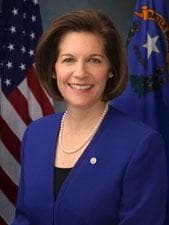
Catherine Cortez Masto
Democratic Senator
Nevada
Cosponsors (13)
Ruben Gallego (Democratic)Jack Reed (Democratic)Ben Ray Luján (Democratic)Angus S. King (Independent)Amy Klobuchar (Democratic)John W. Hickenlooper (Democratic)Tina Smith (Democratic)Tammy Baldwin (Democratic)Peter Welch (Democratic)Jeff Merkley (Democratic)Elissa Slotkin (Democratic)Ron Wyden (Democratic)Richard Blumenthal (Democratic)
Finance Committee
- Introduced
- In Committee
- On Floor
- Passed Chamber
- Enacted
The "Lower Drug Costs for Families Act" seeks to amend Title XVIII of the Social Security Act to significantly impact prescription drug pricing. Its primary goal is to expand the application of existing prescription drug inflation rebates to a broader market. Specifically, it extends these rebates to drugs furnished in the commercial market , affecting both Medicare Part B and Part D drugs. A key provision of the bill involves changing the base year used for calculating these inflation rebates. For Medicare Part B drugs, the base year for determining excessive price increases is shifted from July 1, 2021, to July 1, 2016 , and similarly for January 2021 to January 2016 . This earlier baseline means that drug price increases will be measured against a significantly older and likely lower price point, thereby increasing the likelihood and amount of rebates owed by manufacturers. For covered Part D drugs, the base year for rebate calculations is similarly moved from October 1, 2021, to October 1, 2016 , and January 2021 to January 2016 . The bill also refines the methodology for counting drug units subject to rebates, explicitly excluding units already covered by Medicaid or, for Part D, by the 340B drug discount program starting in 2026. These amendments are slated to take effect for Part B drugs on January 1, 2026, and for Part D drugs on October 1, 2025.
Suggested Questions
Get AI-generated questions to help you understand this bill better
Timeline
Introduced in Senate
Read twice and referred to the Committee on Finance.
Health
Lower Drug Costs for Families Act
USA119th CongressS-1186| Senate
| Updated: 3/27/2025
The "Lower Drug Costs for Families Act" seeks to amend Title XVIII of the Social Security Act to significantly impact prescription drug pricing. Its primary goal is to expand the application of existing prescription drug inflation rebates to a broader market. Specifically, it extends these rebates to drugs furnished in the commercial market , affecting both Medicare Part B and Part D drugs. A key provision of the bill involves changing the base year used for calculating these inflation rebates. For Medicare Part B drugs, the base year for determining excessive price increases is shifted from July 1, 2021, to July 1, 2016 , and similarly for January 2021 to January 2016 . This earlier baseline means that drug price increases will be measured against a significantly older and likely lower price point, thereby increasing the likelihood and amount of rebates owed by manufacturers. For covered Part D drugs, the base year for rebate calculations is similarly moved from October 1, 2021, to October 1, 2016 , and January 2021 to January 2016 . The bill also refines the methodology for counting drug units subject to rebates, explicitly excluding units already covered by Medicaid or, for Part D, by the 340B drug discount program starting in 2026. These amendments are slated to take effect for Part B drugs on January 1, 2026, and for Part D drugs on October 1, 2025.
Suggested Questions
Get AI-generated questions to help you understand this bill better
Timeline
Introduced in Senate
Read twice and referred to the Committee on Finance.
Catherine Cortez Masto
Democratic Senator
Nevada
Cosponsors (13)
Ruben Gallego (Democratic)Jack Reed (Democratic)Ben Ray Luján (Democratic)Angus S. King (Independent)Amy Klobuchar (Democratic)John W. Hickenlooper (Democratic)Tina Smith (Democratic)Tammy Baldwin (Democratic)Peter Welch (Democratic)Jeff Merkley (Democratic)Elissa Slotkin (Democratic)Ron Wyden (Democratic)Richard Blumenthal (Democratic)
Finance Committee
Health
Related Bills
- Introduced
- In Committee
- On Floor
- Passed Chamber
- Enacted