Excess Urban Heat Mitigation Act of 2025
USA119th CongressS-1166| Senate
| Updated: 3/27/2025
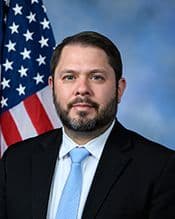
Ruben Gallego
Democratic Senator
Arizona
Cosponsors (6)
Banking, Housing, and Urban Affairs Committee
- Introduced
- In Committee
- On Floor
- Passed Chamber
- Enacted
The Excess Urban Heat Mitigation Act of 2025 mandates the Secretary of Housing and Urban Development (HUD) to establish an urban heat mitigation and management grant program. This program is designed to fund projects that address the significant public health and economic threats posed by excess urban heat, which disproportionately impacts underserved communities. Eligible entities, including states, local governments, and nonprofit organizations, can apply for grants to implement a variety of projects. These include tree planting and maintenance , installing cool pavements and cool roofs , developing green roofs , and establishing cooling centers . The bill also supports community gardens, educational outreach, and urban forestry master plans. A key provision directs at least 75 percent of grant funds to projects within covered census tracts , defined as areas with a poverty rate of not less than 20 percent. HUD will prioritize grant applications from communities located in these tracts or those with lower tree canopy and higher summer temperatures. Applicants must include a robust community engagement plan, demonstrating meaningful and inclusive involvement of local stakeholders throughout project implementation. The Secretary will also provide technical assistance, with preference given to eligible entities serving these priority communities. The federal share for eligible projects is generally 80 percent, though this can be waived to 100 percent for entities demonstrating economic hardship. An oversight board will assist in selecting recipients and reviewing project progress, ensuring effectiveness in combating urban heat. The bill authorizes $30 million annually for fiscal years 2026 through 2033 to fund these critical initiatives.
View Full TextSuggested Questions
Get AI-generated questions to help you understand this bill better
Timeline
Introduced in Senate
Read twice and referred to the Committee on Banking, Housing, and Urban Affairs.
Housing and Community Development
Excess Urban Heat Mitigation Act of 2025
USA119th CongressS-1166| Senate
| Updated: 3/27/2025
The Excess Urban Heat Mitigation Act of 2025 mandates the Secretary of Housing and Urban Development (HUD) to establish an urban heat mitigation and management grant program. This program is designed to fund projects that address the significant public health and economic threats posed by excess urban heat, which disproportionately impacts underserved communities. Eligible entities, including states, local governments, and nonprofit organizations, can apply for grants to implement a variety of projects. These include tree planting and maintenance , installing cool pavements and cool roofs , developing green roofs , and establishing cooling centers . The bill also supports community gardens, educational outreach, and urban forestry master plans. A key provision directs at least 75 percent of grant funds to projects within covered census tracts , defined as areas with a poverty rate of not less than 20 percent. HUD will prioritize grant applications from communities located in these tracts or those with lower tree canopy and higher summer temperatures. Applicants must include a robust community engagement plan, demonstrating meaningful and inclusive involvement of local stakeholders throughout project implementation. The Secretary will also provide technical assistance, with preference given to eligible entities serving these priority communities. The federal share for eligible projects is generally 80 percent, though this can be waived to 100 percent for entities demonstrating economic hardship. An oversight board will assist in selecting recipients and reviewing project progress, ensuring effectiveness in combating urban heat. The bill authorizes $30 million annually for fiscal years 2026 through 2033 to fund these critical initiatives.
View Full TextSuggested Questions
Get AI-generated questions to help you understand this bill better
Timeline
Introduced in Senate
Read twice and referred to the Committee on Banking, Housing, and Urban Affairs.
Ruben Gallego
Democratic Senator
Arizona
Cosponsors (6)
Banking, Housing, and Urban Affairs Committee
Housing and Community Development
- Introduced
- In Committee
- On Floor
- Passed Chamber
- Enacted