Sunshine in the Courtroom Act of 2025
USA119th CongressS-1133| Senate
| Updated: 6/23/2026
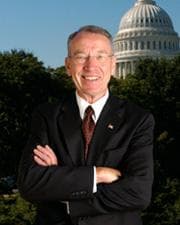
Chuck Grassley
Republican Senator
Iowa
Cosponsors (5)
Judiciary Committee
- Introduced
- In Committee
- On Floor
- Passed Chamber
- Enacted
The "Sunshine in the Courtroom Act of 2025" grants presiding judges in federal appellate and district courts the discretion to allow media coverage, including photographing, electronic recording, broadcasting, or televising, of court proceedings. This aims to increase transparency in the federal judiciary. However, such coverage is strictly prohibited if it would violate the due process rights of any party involved, as determined by the judge or a majority of participating judges. For district courts, specific protections are mandated: the face and voice of any non-party witness must be obscured upon their request, and judges must inform witnesses of this right. Additionally, the bill explicitly forbids any media coverage of jurors or the jury selection process. Judges also retain the discretion to obscure individuals if good cause is shown, such as threats to safety, court security, or ongoing law enforcement operations. The Judicial Conference of the United States is required to promulgate mandatory guidelines within six months for obscuring vulnerable witnesses, including crime victims, minors, and undercover law enforcement officers. The authority for district courts to permit media coverage under this Act is set to terminate after three years , and decisions on media coverage are not subject to interlocutory appeal.
Suggested Questions
Get AI-generated questions to help you understand this bill better
Timeline
Introduced in Senate
Read twice and referred to the Committee on the Judiciary.
Committee on the Judiciary. Ordered to be reported without amendment favorably.
Committee on the Judiciary. Reported by Senator Grassley without amendment. Without written report.
Placed on Senate Legislative Calendar under General Orders. Calendar No. 444.
Law
Broadcasting, cable, digital technologiesEvidence and witnessesFederal appellate courtsFederal district courtsJudicial procedure and administrationPhotography and imagingSound recordingSupreme CourtTelevision and film
Sunshine in the Courtroom Act of 2025
USA119th CongressS-1133| Senate
| Updated: 6/23/2026
The "Sunshine in the Courtroom Act of 2025" grants presiding judges in federal appellate and district courts the discretion to allow media coverage, including photographing, electronic recording, broadcasting, or televising, of court proceedings. This aims to increase transparency in the federal judiciary. However, such coverage is strictly prohibited if it would violate the due process rights of any party involved, as determined by the judge or a majority of participating judges. For district courts, specific protections are mandated: the face and voice of any non-party witness must be obscured upon their request, and judges must inform witnesses of this right. Additionally, the bill explicitly forbids any media coverage of jurors or the jury selection process. Judges also retain the discretion to obscure individuals if good cause is shown, such as threats to safety, court security, or ongoing law enforcement operations. The Judicial Conference of the United States is required to promulgate mandatory guidelines within six months for obscuring vulnerable witnesses, including crime victims, minors, and undercover law enforcement officers. The authority for district courts to permit media coverage under this Act is set to terminate after three years , and decisions on media coverage are not subject to interlocutory appeal.
Suggested Questions
Get AI-generated questions to help you understand this bill better
Timeline
Introduced in Senate
Read twice and referred to the Committee on the Judiciary.
Committee on the Judiciary. Ordered to be reported without amendment favorably.
Committee on the Judiciary. Reported by Senator Grassley without amendment. Without written report.
Placed on Senate Legislative Calendar under General Orders. Calendar No. 444.
Chuck Grassley
Republican Senator
Iowa
Cosponsors (5)
Judiciary Committee
Law
Related Bills
- Introduced
- In Committee
- On Floor
- Passed Chamber
- Enacted
Broadcasting, cable, digital technologiesEvidence and witnessesFederal appellate courtsFederal district courtsJudicial procedure and administrationPhotography and imagingSound recordingSupreme CourtTelevision and film