Stop STALLING Act
USA119th CongressS-1095| Senate
| Updated: 4/10/2025
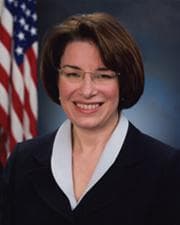
Amy Klobuchar
Democratic Senator
Minnesota
Cosponsors (6)
Judiciary Committee
- Introduced
- In Committee
- On Floor
- Passed Chamber
- Enacted
This legislation aims to curb anti-competitive practices in the pharmaceutical industry by empowering the Federal Trade Commission (FTC) to address "sham" citizen petitions. These petitions are often filed to delay the market entry of competing generic drugs and biosimilars, hindering competition and increasing drug costs. The bill seeks to ensure that only petitions raising legitimate public health concerns receive efficient review, while deterring those intended solely for delay. The bill defines a "sham" petition as one that is objectively baseless and attempts to use a governmental process to interfere with a competitor's business, rather than seeking a legitimate outcome. Submitting such a petition, or a series of them, is deemed an unfair method of competition under the Federal Trade Commission Act. The FTC is authorized to initiate civil actions in federal court against individuals or entities found to be in violation. In such civil actions, a covered petition is presumed to be part of a sham series if the Secretary of Health and Human Services (HHS) determines it was submitted primarily to delay approval and refers this finding to the FTC. Those found liable face significant civil penalties, which can be the greater of any revenue earned from the sale of the drug product during the petition's review or $50,000 for each calendar day the sham petition was under HHS review. This measure is intended to provide a strong deterrent against the misuse of the citizen petition process.
Suggested Questions
Get AI-generated questions to help you understand this bill better
Timeline
Introduced in Senate
Read twice and referred to the Committee on the Judiciary.
Committee on the Judiciary. Ordered to be reported without amendment favorably.
Committee on the Judiciary. Reported by Senator Grassley without amendment. Without written report.
Placed on Senate Legislative Calendar under General Orders. Calendar No. 45.
Health
Administrative remediesBusiness ethicsCivil actions and liabilityCompetition and antitrustDepartment of Health and Human ServicesDrug safety, medical device, and laboratory regulationFood and Drug Administration (FDA)Licensing and registrationsPrescription drugsPublic participation and lobbying
Stop STALLING Act
USA119th CongressS-1095| Senate
| Updated: 4/10/2025
This legislation aims to curb anti-competitive practices in the pharmaceutical industry by empowering the Federal Trade Commission (FTC) to address "sham" citizen petitions. These petitions are often filed to delay the market entry of competing generic drugs and biosimilars, hindering competition and increasing drug costs. The bill seeks to ensure that only petitions raising legitimate public health concerns receive efficient review, while deterring those intended solely for delay. The bill defines a "sham" petition as one that is objectively baseless and attempts to use a governmental process to interfere with a competitor's business, rather than seeking a legitimate outcome. Submitting such a petition, or a series of them, is deemed an unfair method of competition under the Federal Trade Commission Act. The FTC is authorized to initiate civil actions in federal court against individuals or entities found to be in violation. In such civil actions, a covered petition is presumed to be part of a sham series if the Secretary of Health and Human Services (HHS) determines it was submitted primarily to delay approval and refers this finding to the FTC. Those found liable face significant civil penalties, which can be the greater of any revenue earned from the sale of the drug product during the petition's review or $50,000 for each calendar day the sham petition was under HHS review. This measure is intended to provide a strong deterrent against the misuse of the citizen petition process.
Suggested Questions
Get AI-generated questions to help you understand this bill better
Timeline
Introduced in Senate
Read twice and referred to the Committee on the Judiciary.
Committee on the Judiciary. Ordered to be reported without amendment favorably.
Committee on the Judiciary. Reported by Senator Grassley without amendment. Without written report.
Placed on Senate Legislative Calendar under General Orders. Calendar No. 45.
Amy Klobuchar
Democratic Senator
Minnesota
Cosponsors (6)
Judiciary Committee
Health
- Introduced
- In Committee
- On Floor
- Passed Chamber
- Enacted
Administrative remediesBusiness ethicsCivil actions and liabilityCompetition and antitrustDepartment of Health and Human ServicesDrug safety, medical device, and laboratory regulationFood and Drug Administration (FDA)Licensing and registrationsPrescription drugsPublic participation and lobbying