One Agency Act
USA119th CongressS-1059| Senate
| Updated: 3/13/2025
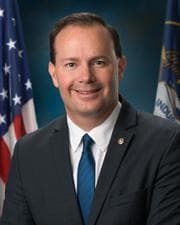
Mike Lee
Republican Senator
Utah
Cosponsors (4)
Judiciary Committee
- Introduced
- In Committee
- On Floor
- Passed Chamber
- Enacted
The "One Agency Act" proposes a significant restructuring of federal antitrust enforcement by transferring all such responsibilities from the Federal Trade Commission (FTC) to the Department of Justice (DOJ). Congress finds that the current overlapping jurisdiction between these two agencies leads to wasted taxpayer resources, hampers enforcement efforts, and creates uncertainty for businesses and consumers. Therefore, the bill asserts that the DOJ is better suited to be the single primary federal entity for enforcing antitrust laws. Under this legislation, all FTC antitrust actions , including investigations, litigation, and administrative proceedings, along with relevant employees, assets, and funding, would be transferred to the Attorney General. The Attorney General is tasked with managing this transition, which can last up to one year with a possible extension, and is authorized to restructure the DOJ's Antitrust Division to efficiently carry out these new responsibilities. During the transition, the FTC would be prohibited from initiating new antitrust investigations or actions, though existing matters could continue under DOJ oversight. The bill mandates extensive technical and conforming amendments to various federal statutes, including the Clayton Act and the Federal Trade Commission Act, to reflect the DOJ's exclusive authority in antitrust matters. Requirements for agencies to consult with or notify the FTC on antitrust issues would be redirected to the Attorney General. The effective date for these changes is set for the start of the first fiscal year at least 90 days after the bill's enactment.
View Full TextSuggested Questions
Get AI-generated questions to help you understand this bill better
Timeline
Introduced in Senate
Read twice and referred to the Committee on the Judiciary.
Commerce
One Agency Act
USA119th CongressS-1059| Senate
| Updated: 3/13/2025
The "One Agency Act" proposes a significant restructuring of federal antitrust enforcement by transferring all such responsibilities from the Federal Trade Commission (FTC) to the Department of Justice (DOJ). Congress finds that the current overlapping jurisdiction between these two agencies leads to wasted taxpayer resources, hampers enforcement efforts, and creates uncertainty for businesses and consumers. Therefore, the bill asserts that the DOJ is better suited to be the single primary federal entity for enforcing antitrust laws. Under this legislation, all FTC antitrust actions , including investigations, litigation, and administrative proceedings, along with relevant employees, assets, and funding, would be transferred to the Attorney General. The Attorney General is tasked with managing this transition, which can last up to one year with a possible extension, and is authorized to restructure the DOJ's Antitrust Division to efficiently carry out these new responsibilities. During the transition, the FTC would be prohibited from initiating new antitrust investigations or actions, though existing matters could continue under DOJ oversight. The bill mandates extensive technical and conforming amendments to various federal statutes, including the Clayton Act and the Federal Trade Commission Act, to reflect the DOJ's exclusive authority in antitrust matters. Requirements for agencies to consult with or notify the FTC on antitrust issues would be redirected to the Attorney General. The effective date for these changes is set for the start of the first fiscal year at least 90 days after the bill's enactment.
View Full TextSuggested Questions
Get AI-generated questions to help you understand this bill better
Timeline
Introduced in Senate
Read twice and referred to the Committee on the Judiciary.
Mike Lee
Republican Senator
Utah
Cosponsors (4)
Judiciary Committee
Commerce
Related Bills
- Introduced
- In Committee
- On Floor
- Passed Chamber
- Enacted