FIGHT China Act of 2025
USA119th CongressS-1053| Senate
| Updated: 3/13/2025
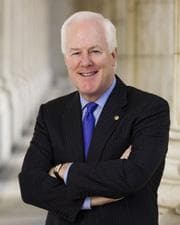
John Cornyn
Republican Senator
Texas
Cosponsors (13)
Dan Sullivan (Republican)Catherine Cortez Masto (Democratic)Jim Banks (Republican)Charles E. Schumer (Democratic)Elizabeth Warren (Democratic)Tim Scott (Republican)Bill Hagerty (Republican)Michael F. Bennet (Democratic)John Fetterman (Democratic)David McCormick (Republican)Andy Kim (Democratic)Elissa Slotkin (Democratic)Pete Ricketts (Republican)
Banking, Housing, and Urban Affairs Committee
- Introduced
- In Committee
- On Floor
- Passed Chamber
- Enacted
This legislation, known as the "FIGHT China Act of 2025," aims to protect the national security of the United States by addressing financial flows and investments related to the People's Republic of China. It grants significant authority to the Secretary of the Treasury, in consultation with other agencies, to implement various measures. The bill specifically targets entities and technologies deemed critical to China's military and surveillance capabilities, including those in Hong Kong and Macau. Title I authorizes the President, through the Secretary of the Treasury, to impose sanctions on covered foreign persons from the country of concern. These persons are defined as entities linked to the PRC government or Communist Party that knowingly engage in significant operations within the defense, related materiel, or surveillance technology sectors. Sanctions involve blocking property and interests, with penalties for violations, and require annual reports to Congress on these designations. Title II amends the Defense Production Act of 1950 to establish a comprehensive framework for outbound investment review. It empowers the Secretary to prohibit U.S. persons from engaging in covered national security transactions involving prohibited technologies with Chinese entities. These prohibited technologies include highly sensitive areas such as advanced semiconductors, high-power artificial intelligence models, quantum computing, and hypersonic systems components. For other specified investments, Title II mandates a notification requirement for U.S. persons engaging in covered national security transactions in notifiable technologies . Notifiable technologies encompass certain advanced integrated circuit designs, fabrication, packaging, and AI systems with military or mass-surveillance applications. Both the prohibition and notification provisions include detailed regulatory processes, potential civil penalties, and the authority for the Secretary to compel divestment for violations. The bill outlines specific exceptions for certain types of transactions, such as de minimis investments, publicly traded securities, and limited partner investments under certain conditions, to minimize undue burdens. it also includes provisions for waivers based on national interest and mechanisms for non-binding feedback and self-disclosure. These measures aim to balance national security concerns with practical considerations for U.S. investors. Title III focuses on securities and related matters, requiring the Secretary to report biennially on whether certain Chinese persons should be added to the Non-SDN Chinese Military-Industrial Complex Companies List . Crucially, it mandates that U.S. persons divest from knowingly holding securities of entities on this list within 365 days of the bill's enactment. This section also allows for waivers on a case-by-case basis if deemed necessary for U.S. national security or foreign policy objectives. Finally, the legislation emphasizes multilateral engagement, directing the Secretary to coordinate with allies to develop similar investment protocols and share information to prevent the development or acquisition of prohibited technologies by countries of concern. It also authorizes the establishment of a public database of covered foreign persons in prohibited technologies and requires regular reports to Congress on the implementation and impact of these new investment guardrails.
Suggested Questions
Get AI-generated questions to help you understand this bill better
Timeline
Introduced in Senate
Read twice and referred to the Committee on Banking, Housing, and Urban Affairs. (Sponsor introductory remarks on measure: CR S1746-1747)
International Affairs
FIGHT China Act of 2025
USA119th CongressS-1053| Senate
| Updated: 3/13/2025
This legislation, known as the "FIGHT China Act of 2025," aims to protect the national security of the United States by addressing financial flows and investments related to the People's Republic of China. It grants significant authority to the Secretary of the Treasury, in consultation with other agencies, to implement various measures. The bill specifically targets entities and technologies deemed critical to China's military and surveillance capabilities, including those in Hong Kong and Macau. Title I authorizes the President, through the Secretary of the Treasury, to impose sanctions on covered foreign persons from the country of concern. These persons are defined as entities linked to the PRC government or Communist Party that knowingly engage in significant operations within the defense, related materiel, or surveillance technology sectors. Sanctions involve blocking property and interests, with penalties for violations, and require annual reports to Congress on these designations. Title II amends the Defense Production Act of 1950 to establish a comprehensive framework for outbound investment review. It empowers the Secretary to prohibit U.S. persons from engaging in covered national security transactions involving prohibited technologies with Chinese entities. These prohibited technologies include highly sensitive areas such as advanced semiconductors, high-power artificial intelligence models, quantum computing, and hypersonic systems components. For other specified investments, Title II mandates a notification requirement for U.S. persons engaging in covered national security transactions in notifiable technologies . Notifiable technologies encompass certain advanced integrated circuit designs, fabrication, packaging, and AI systems with military or mass-surveillance applications. Both the prohibition and notification provisions include detailed regulatory processes, potential civil penalties, and the authority for the Secretary to compel divestment for violations. The bill outlines specific exceptions for certain types of transactions, such as de minimis investments, publicly traded securities, and limited partner investments under certain conditions, to minimize undue burdens. it also includes provisions for waivers based on national interest and mechanisms for non-binding feedback and self-disclosure. These measures aim to balance national security concerns with practical considerations for U.S. investors. Title III focuses on securities and related matters, requiring the Secretary to report biennially on whether certain Chinese persons should be added to the Non-SDN Chinese Military-Industrial Complex Companies List . Crucially, it mandates that U.S. persons divest from knowingly holding securities of entities on this list within 365 days of the bill's enactment. This section also allows for waivers on a case-by-case basis if deemed necessary for U.S. national security or foreign policy objectives. Finally, the legislation emphasizes multilateral engagement, directing the Secretary to coordinate with allies to develop similar investment protocols and share information to prevent the development or acquisition of prohibited technologies by countries of concern. It also authorizes the establishment of a public database of covered foreign persons in prohibited technologies and requires regular reports to Congress on the implementation and impact of these new investment guardrails.
Suggested Questions
Get AI-generated questions to help you understand this bill better
Timeline
Introduced in Senate
Read twice and referred to the Committee on Banking, Housing, and Urban Affairs. (Sponsor introductory remarks on measure: CR S1746-1747)
John Cornyn
Republican Senator
Texas
Cosponsors (13)
Dan Sullivan (Republican)Catherine Cortez Masto (Democratic)Jim Banks (Republican)Charles E. Schumer (Democratic)Elizabeth Warren (Democratic)Tim Scott (Republican)Bill Hagerty (Republican)Michael F. Bennet (Democratic)John Fetterman (Democratic)David McCormick (Republican)Andy Kim (Democratic)Elissa Slotkin (Democratic)Pete Ricketts (Republican)
Banking, Housing, and Urban Affairs Committee
International Affairs
- Introduced
- In Committee
- On Floor
- Passed Chamber
- Enacted