Nuclear Waste Informed Consent Act
USA119th CongressS-101| Senate
| Updated: 1/15/2025
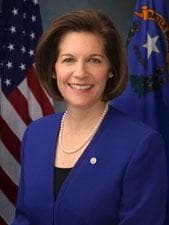
Catherine Cortez Masto
Democratic Senator
Nevada
Cosponsors (1)
Environment and Public Works Committee
- Introduced
- In Committee
- On Floor
- Passed Chamber
- Enacted
This legislation, known as the Nuclear Waste Informed Consent Act , introduces a significant prerequisite for the development of nuclear waste repositories. It explicitly prohibits the Secretary of Energy from using funds from the Nuclear Waste Fund for repository activities unless specific consent is secured from various governmental bodies. The bill mandates that the Secretary must enter into a formal, binding agreement with the Governor of the state where a repository is proposed, along with all affected local governments and any affected Indian tribes. Additionally, consent is required from any unit of general local government contiguous to an affected area if nuclear waste will be transported through it for disposal. These agreements must be in writing, signed by all parties, and can only be amended or revoked by mutual consent, ensuring long-term commitment and shared decision-making.
Suggested Questions
Get AI-generated questions to help you understand this bill better
Timeline
Introduced in Senate
Read twice and referred to the Committee on Environment and Public Works.
Energy
Nuclear Waste Informed Consent Act
USA119th CongressS-101| Senate
| Updated: 1/15/2025
This legislation, known as the Nuclear Waste Informed Consent Act , introduces a significant prerequisite for the development of nuclear waste repositories. It explicitly prohibits the Secretary of Energy from using funds from the Nuclear Waste Fund for repository activities unless specific consent is secured from various governmental bodies. The bill mandates that the Secretary must enter into a formal, binding agreement with the Governor of the state where a repository is proposed, along with all affected local governments and any affected Indian tribes. Additionally, consent is required from any unit of general local government contiguous to an affected area if nuclear waste will be transported through it for disposal. These agreements must be in writing, signed by all parties, and can only be amended or revoked by mutual consent, ensuring long-term commitment and shared decision-making.
Suggested Questions
Get AI-generated questions to help you understand this bill better
Timeline
Introduced in Senate
Read twice and referred to the Committee on Environment and Public Works.
Catherine Cortez Masto
Democratic Senator
Nevada
Cosponsors (1)
Environment and Public Works Committee
Energy
Related Bills
- Introduced
- In Committee
- On Floor
- Passed Chamber
- Enacted