STOP the SWAMP Act
USA119th CongressHR-9991| House
| Updated: 7/30/2026
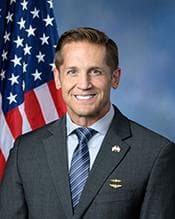
Richard McCormick
Republican Representative
Georgia
Rules Committee, Judiciary Committee, Oversight and Government Reform Committee
- Introduced
- In Committee
- On Floor
- Passed Chamber
- Enacted
This bill, titled the "Safeguarding Transparency and Oversight to Prevent the Spread of Washington's Administrative Misconduct and Partisanship Act" or "STOP the SWAMP Act," significantly amends sections of the Revised Statutes concerning congressional investigations. It expands the penalties for individuals who, having been summoned as witnesses, refuse to answer questions pertinent to a congressional inquiry. Such individuals would face misdemeanor charges, including fines and imprisonment, and would be **debarred from Federal employment**. Furthermore, any person who is **finally convicted of perjury** or making false statements before Congress would also be **debarred from Federal employment**. The bill specifies that federal employees found in violation of these provisions would be **removed from the civil service**. All debarment decisions under this act would be subject to judicial review. The legislation also introduces new procedures for Congress to address non-compliant federal employee witnesses. It allows any member of either House to introduce a **joint resolution** to rescind salary funds appropriated for such a witness's employing entity. This can occur within 180 days after a statement of facts is certified to a United States attorney. The bill outlines an expedited legislative process for these joint resolutions, including specific referral timelines to Appropriations Committees, debate limits, and procedures for conference committees. This aims to ensure swift action on resolutions to rescind funds for federal employees who fail to cooperate with congressional investigations.
View Full TextSuggested Questions
Get AI-generated questions to help you understand this bill better
Timeline
Introduced in House
Referred to the Committee on the Judiciary, and in addition to the Committees on Oversight and Government Reform, and Rules, for a period to be subsequently determined by the Speaker, in each case for consideration of such provisions as fall within the jurisdiction of the committee concerned.
Government Operations and Politics
STOP the SWAMP Act
USA119th CongressHR-9991| House
| Updated: 7/30/2026
This bill, titled the "Safeguarding Transparency and Oversight to Prevent the Spread of Washington's Administrative Misconduct and Partisanship Act" or "STOP the SWAMP Act," significantly amends sections of the Revised Statutes concerning congressional investigations. It expands the penalties for individuals who, having been summoned as witnesses, refuse to answer questions pertinent to a congressional inquiry. Such individuals would face misdemeanor charges, including fines and imprisonment, and would be **debarred from Federal employment**. Furthermore, any person who is **finally convicted of perjury** or making false statements before Congress would also be **debarred from Federal employment**. The bill specifies that federal employees found in violation of these provisions would be **removed from the civil service**. All debarment decisions under this act would be subject to judicial review. The legislation also introduces new procedures for Congress to address non-compliant federal employee witnesses. It allows any member of either House to introduce a **joint resolution** to rescind salary funds appropriated for such a witness's employing entity. This can occur within 180 days after a statement of facts is certified to a United States attorney. The bill outlines an expedited legislative process for these joint resolutions, including specific referral timelines to Appropriations Committees, debate limits, and procedures for conference committees. This aims to ensure swift action on resolutions to rescind funds for federal employees who fail to cooperate with congressional investigations.
View Full TextSuggested Questions
Get AI-generated questions to help you understand this bill better
Timeline
Introduced in House
Referred to the Committee on the Judiciary, and in addition to the Committees on Oversight and Government Reform, and Rules, for a period to be subsequently determined by the Speaker, in each case for consideration of such provisions as fall within the jurisdiction of the committee concerned.
Richard McCormick
Republican Representative
Georgia
Rules Committee, Judiciary Committee, Oversight and Government Reform Committee
Government Operations and Politics
Related Bills
- Introduced
- In Committee
- On Floor
- Passed Chamber
- Enacted