Foodborne Illness Rapid Response Act
USA119th CongressHR-9981| House
| Updated: 7/30/2026
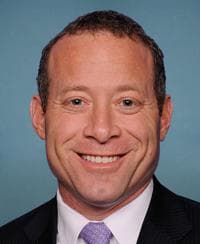
Josh Gottheimer
Democratic Representative
New Jersey
Cosponsors (1)
Energy and Commerce Committee
- Introduced
- In Committee
- On Floor
- Passed Chamber
- Enacted
This legislation aims to protect the staffing levels of critical Centers for Disease Control and Prevention (CDC) divisions involved in public health. It specifically prohibits significant staffing reductions within the CDC divisions responsible for foodborne disease surveillance and foodborne illness outbreak response . This prohibition is active for a one-year period following a multi-state or nationally significant foodborne illness outbreak. A "staffing reduction effort" is defined as any agency action, such as a reduction in force or reorganization, that removes 1 percent or more of the total employees in these specific divisions within a 60-day timeframe. This measure seeks to ensure the CDC maintains its capacity to effectively respond to future foodborne illness crises by preventing the loss of essential personnel during critical periods.
View Full TextSuggested Questions
Get AI-generated questions to help you understand this bill better
Timeline
Introduced in House
Referred to the House Committee on Energy and Commerce.
Foodborne Illness Rapid Response Act
USA119th CongressHR-9981| House
| Updated: 7/30/2026
This legislation aims to protect the staffing levels of critical Centers for Disease Control and Prevention (CDC) divisions involved in public health. It specifically prohibits significant staffing reductions within the CDC divisions responsible for foodborne disease surveillance and foodborne illness outbreak response . This prohibition is active for a one-year period following a multi-state or nationally significant foodborne illness outbreak. A "staffing reduction effort" is defined as any agency action, such as a reduction in force or reorganization, that removes 1 percent or more of the total employees in these specific divisions within a 60-day timeframe. This measure seeks to ensure the CDC maintains its capacity to effectively respond to future foodborne illness crises by preventing the loss of essential personnel during critical periods.
View Full TextSuggested Questions
Get AI-generated questions to help you understand this bill better
Timeline
Introduced in House
Referred to the House Committee on Energy and Commerce.
Josh Gottheimer
Democratic Representative
New Jersey
Cosponsors (1)
Energy and Commerce Committee
- Introduced
- In Committee
- On Floor
- Passed Chamber
- Enacted