Homebuilding Materials Tariff Relief Act
USA119th CongressHR-9977| House
| Updated: 7/30/2026
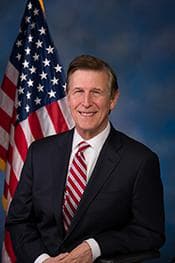
Donald S. Beyer
Democratic Representative
Virginia
Ways and Means Committee, Rules Committee
- Introduced
- In Committee
- On Floor
- Passed Chamber
- Enacted
This legislation establishes an exemption for certain critical homebuilding products from tariffs imposed on or after January 20, 2025. The exemption applies to a wide range of materials and inputs used in the construction or furnishing of single-family and multi-family residential buildings, as specified by a comprehensive list of Harmonized Tariff Schedule headings. The bill defines "covered tariffs" as those imposed on or after January 20, 2025, but specifically excludes tariffs related to anti-dumping, countervailing duties, safeguard measures, or dispute settlement agreements. This ensures that certain trade remedies remain unaffected by the exemption. A key provision allows for the reimposition of these tariffs only under strict conditions. The President may reimpose tariffs if the Housing Affordability Index, maintained by the National Association of Realtors, averages 160 or above for the preceding 12-month period. Additionally, any such reimposition requires the enactment of a joint resolution of approval by Congress, which follows expedited legislative procedures. The overall purpose of this Act is to reduce the cost burden on the homebuilding industry by removing specific tariffs, thereby potentially improving housing affordability. The mechanism for reimposition provides a safeguard linked to market conditions and requires legislative oversight to ensure balanced economic impact.
View Full TextSuggested Questions
Get AI-generated questions to help you understand this bill better
Timeline
Introduced in House
Referred to the Committee on Ways and Means, and in addition to the Committee on Rules, for a period to be subsequently determined by the Speaker, in each case for consideration of such provisions as fall within the jurisdiction of the committee concerned.
Homebuilding Materials Tariff Relief Act
USA119th CongressHR-9977| House
| Updated: 7/30/2026
This legislation establishes an exemption for certain critical homebuilding products from tariffs imposed on or after January 20, 2025. The exemption applies to a wide range of materials and inputs used in the construction or furnishing of single-family and multi-family residential buildings, as specified by a comprehensive list of Harmonized Tariff Schedule headings. The bill defines "covered tariffs" as those imposed on or after January 20, 2025, but specifically excludes tariffs related to anti-dumping, countervailing duties, safeguard measures, or dispute settlement agreements. This ensures that certain trade remedies remain unaffected by the exemption. A key provision allows for the reimposition of these tariffs only under strict conditions. The President may reimpose tariffs if the Housing Affordability Index, maintained by the National Association of Realtors, averages 160 or above for the preceding 12-month period. Additionally, any such reimposition requires the enactment of a joint resolution of approval by Congress, which follows expedited legislative procedures. The overall purpose of this Act is to reduce the cost burden on the homebuilding industry by removing specific tariffs, thereby potentially improving housing affordability. The mechanism for reimposition provides a safeguard linked to market conditions and requires legislative oversight to ensure balanced economic impact.
View Full TextSuggested Questions
Get AI-generated questions to help you understand this bill better
Timeline
Introduced in House
Referred to the Committee on Ways and Means, and in addition to the Committee on Rules, for a period to be subsequently determined by the Speaker, in each case for consideration of such provisions as fall within the jurisdiction of the committee concerned.
Donald S. Beyer
Democratic Representative
Virginia
Ways and Means Committee, Rules Committee
- Introduced
- In Committee
- On Floor
- Passed Chamber
- Enacted