Fair Access to Banking Act
USA119th CongressHR-987| House
| Updated: 2/5/2025
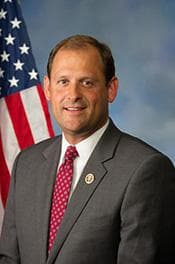
Andy Barr
Republican Representative
Kentucky
Cosponsors (118)
Sheri Biggs (Republican)Diana Harshbarger (Republican)Paul A. Gosar (Republican)Barry Moore (Republican)Adrian Smith (Republican)Clay Higgins (Republican)Elise M. Stefanik (Republican)Tim Burchett (Republican)Guy Reschenthaler (Republican)Ashley Hinson (Republican)Jeff Crank (Republican)Andy Harris (Republican)David J. Taylor (Republican)Scott Franklin (Republican)Rick W. Allen (Republican)Carlos A. Gimenez (Republican)Mark Alford (Republican)Robert J. Wittman (Republican)Lance Gooden (Republican)Mike Collins (Republican)Keith Self (Republican)Mike Ezell (Republican)Glenn Thompson (Republican)Claudia Tenney (Republican)Beth Van Duyne (Republican)Aaron Bean (Republican)Andrew Ogles (Republican)William R. Timmons (Republican)Pete Sessions (Republican)David Rouzer (Republican)Brandon Gill (Republican)Tim Walberg (Republican)Earl L. "Buddy" Carter (Republican)Nathaniel Moran (Republican)Ken Calvert (Republican)Brian Jack (Republican)Scott Perry (Republican)Rudy Yakym (Republican)Dan Newhouse (Republican)Gus M. Bilirakis (Republican)Ronny Jackson (Republican)Daniel Meuser (Republican)Darrell Issa (Republican)David P. Joyce (Republican)Jefferson Shreve (Republican)Carol D. Miller (Republican)Jodey C. Arrington (Republican)Joe Wilson (Republican)Pat Fallon (Republican)Ann Wagner (Republican)Mike D. Rogers (Republican)Richard Hudson (Republican)Roger Williams (Republican)Kat Cammack (Republican)Brad Finstad (Republican)Tony Wied (Republican)Glenn Grothman (Republican)Nicholas A. Langworthy (Republican)Ron Estes (Republican)Troy E. Nehls (Republican)W. Gregory Steube (Republican)Blake D. Moore (Republican)John R. Moolenaar (Republican)Bruce Westerman (Republican)John H. Rutherford (Republican)Laurel M. Lee (Republican)Austin Scott (Republican)James Comer (Republican)Scott Fitzgerald (Republican)Daniel Webster (Republican)August Pfluger (Republican)Mike Haridopolos (Republican)Lauren Boebert (Republican)Byron Donalds (Republican)Pat Harrigan (Republican)Julia Letlow (Republican)Mark E. Amodei (Republican)Troy Downing (Republican)Gabe Evans (Republican)Abraham J. Hamadeh (Republican)Sam Graves (Republican)Mike Bost (Republican)Russell Fry (Republican)Scott DesJarlais (Republican)Michael K. Simpson (Republican)Pete Stauber (Republican)David G. Valadao (Republican)Randy Fine (Republican)Dale W. Strong (Republican)Addison P. McDowell (Republican)Riley M. Moore (Republican)Tom Emmer (Republican)Dan Crenshaw (Republican)Bill Huizenga (Republican)Max L. Miller (Republican)Randy Feenstra (Republican)Robert E. Latta (Republican)John J. McGuire (Republican)Kevin Hern (Republican)Burgess Owens (Republican)Randy K. Sr. Weber (Republican)Ben Cline (Republican)Russ Fulcher (Republican)Mark Harris (Republican)Virginia Foxx (Republican)Ralph Norman (Republican)Robert P. Bresnahan (Republican)Erin Houchin (Republican)Andrew S. Clyde (Republican)Jimmy Patronis (Republican)Jack Bergman (Republican)Tracey Mann (Republican)Michelle Fischbach (Republican)Brian Babin (Republican)Cory Mills (Republican)Craig A. Goldman (Republican)Vern Buchanan (Republican)Eric Burlison (Republican)
Financial Services Committee
- Introduced
- In Committee
- On Floor
- Passed Chamber
- Enacted
The "Fair Access to Banking Act" aims to ensure fair access to financial services for all lawful businesses, preventing financial institutions from acting as de facto regulators by denying services based on subjective political or reputational considerations. It seeks to protect against the privatization of discriminatory practices, ensuring that decisions are made based on impartial, individualized risk-based analyses using empirical data. This legislation applies broadly to various financial service providers, including national and state banks, federal savings associations, and credit unions. The bill imposes significant restrictions on large financial institutions, specifically those with over $50 billion (or $500 billion for some insured depositories) in consolidated assets. These institutions are prohibited from using taxpayer-funded discount window lending programs or the Automated Clearing House Network if they deny services to lawful persons. Additionally, payment card networks are forbidden from inhibiting access to their services due to political or reputational risk considerations, with civil penalties for non-compliance. Under the Act, "covered banks" must offer financial services on proportionally equal terms and can only deny services based on quantified, documented, impartial risk-based standards established in advance, not solely on reputational risk. When denying services, these banks must provide a written justification to the person, detailing the basis for the denial. Crucially, the legislation establishes a private cause of action , allowing individuals harmed by violations to file civil lawsuits in federal court, potentially recovering attorney's fees and treble damages without exhausting administrative remedies.
Suggested Questions
Get AI-generated questions to help you understand this bill better
Timeline
Introduced in House
Referred to the House Committee on Financial Services.
Finance and Financial Sector
Fair Access to Banking Act
USA119th CongressHR-987| House
| Updated: 2/5/2025
The "Fair Access to Banking Act" aims to ensure fair access to financial services for all lawful businesses, preventing financial institutions from acting as de facto regulators by denying services based on subjective political or reputational considerations. It seeks to protect against the privatization of discriminatory practices, ensuring that decisions are made based on impartial, individualized risk-based analyses using empirical data. This legislation applies broadly to various financial service providers, including national and state banks, federal savings associations, and credit unions. The bill imposes significant restrictions on large financial institutions, specifically those with over $50 billion (or $500 billion for some insured depositories) in consolidated assets. These institutions are prohibited from using taxpayer-funded discount window lending programs or the Automated Clearing House Network if they deny services to lawful persons. Additionally, payment card networks are forbidden from inhibiting access to their services due to political or reputational risk considerations, with civil penalties for non-compliance. Under the Act, "covered banks" must offer financial services on proportionally equal terms and can only deny services based on quantified, documented, impartial risk-based standards established in advance, not solely on reputational risk. When denying services, these banks must provide a written justification to the person, detailing the basis for the denial. Crucially, the legislation establishes a private cause of action , allowing individuals harmed by violations to file civil lawsuits in federal court, potentially recovering attorney's fees and treble damages without exhausting administrative remedies.
Suggested Questions
Get AI-generated questions to help you understand this bill better
Timeline
Introduced in House
Referred to the House Committee on Financial Services.
Andy Barr
Republican Representative
Kentucky
Cosponsors (118)
Sheri Biggs (Republican)Diana Harshbarger (Republican)Paul A. Gosar (Republican)Barry Moore (Republican)Adrian Smith (Republican)Clay Higgins (Republican)Elise M. Stefanik (Republican)Tim Burchett (Republican)Guy Reschenthaler (Republican)Ashley Hinson (Republican)Jeff Crank (Republican)Andy Harris (Republican)David J. Taylor (Republican)Scott Franklin (Republican)Rick W. Allen (Republican)Carlos A. Gimenez (Republican)Mark Alford (Republican)Robert J. Wittman (Republican)Lance Gooden (Republican)Mike Collins (Republican)Keith Self (Republican)Mike Ezell (Republican)Glenn Thompson (Republican)Claudia Tenney (Republican)Beth Van Duyne (Republican)Aaron Bean (Republican)Andrew Ogles (Republican)William R. Timmons (Republican)Pete Sessions (Republican)David Rouzer (Republican)Brandon Gill (Republican)Tim Walberg (Republican)Earl L. "Buddy" Carter (Republican)Nathaniel Moran (Republican)Ken Calvert (Republican)Brian Jack (Republican)Scott Perry (Republican)Rudy Yakym (Republican)Dan Newhouse (Republican)Gus M. Bilirakis (Republican)Ronny Jackson (Republican)Daniel Meuser (Republican)Darrell Issa (Republican)David P. Joyce (Republican)Jefferson Shreve (Republican)Carol D. Miller (Republican)Jodey C. Arrington (Republican)Joe Wilson (Republican)Pat Fallon (Republican)Ann Wagner (Republican)Mike D. Rogers (Republican)Richard Hudson (Republican)Roger Williams (Republican)Kat Cammack (Republican)Brad Finstad (Republican)Tony Wied (Republican)Glenn Grothman (Republican)Nicholas A. Langworthy (Republican)Ron Estes (Republican)Troy E. Nehls (Republican)W. Gregory Steube (Republican)Blake D. Moore (Republican)John R. Moolenaar (Republican)Bruce Westerman (Republican)John H. Rutherford (Republican)Laurel M. Lee (Republican)Austin Scott (Republican)James Comer (Republican)Scott Fitzgerald (Republican)Daniel Webster (Republican)August Pfluger (Republican)Mike Haridopolos (Republican)Lauren Boebert (Republican)Byron Donalds (Republican)Pat Harrigan (Republican)Julia Letlow (Republican)Mark E. Amodei (Republican)Troy Downing (Republican)Gabe Evans (Republican)Abraham J. Hamadeh (Republican)Sam Graves (Republican)Mike Bost (Republican)Russell Fry (Republican)Scott DesJarlais (Republican)Michael K. Simpson (Republican)Pete Stauber (Republican)David G. Valadao (Republican)Randy Fine (Republican)Dale W. Strong (Republican)Addison P. McDowell (Republican)Riley M. Moore (Republican)Tom Emmer (Republican)Dan Crenshaw (Republican)Bill Huizenga (Republican)Max L. Miller (Republican)Randy Feenstra (Republican)Robert E. Latta (Republican)John J. McGuire (Republican)Kevin Hern (Republican)Burgess Owens (Republican)Randy K. Sr. Weber (Republican)Ben Cline (Republican)Russ Fulcher (Republican)Mark Harris (Republican)Virginia Foxx (Republican)Ralph Norman (Republican)Robert P. Bresnahan (Republican)Erin Houchin (Republican)Andrew S. Clyde (Republican)Jimmy Patronis (Republican)Jack Bergman (Republican)Tracey Mann (Republican)Michelle Fischbach (Republican)Brian Babin (Republican)Cory Mills (Republican)Craig A. Goldman (Republican)Vern Buchanan (Republican)Eric Burlison (Republican)
Financial Services Committee
Finance and Financial Sector
Related Bills
- Introduced
- In Committee
- On Floor
- Passed Chamber
- Enacted