Saving Seniors Money on Prescriptions Act
USA119th CongressHR-950| House
| Updated: 2/4/2025
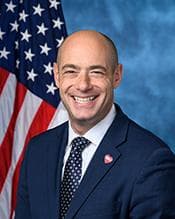
Greg Landsman
Democratic Representative
Ohio
Ways and Means Committee, Energy and Commerce Committee
- Introduced
- In Committee
- On Floor
- Passed Chamber
- Enacted
The "Saving Seniors Money on Prescriptions Act" amends Title XVIII of the Social Security Act to implement new reporting requirements for Pharmacy Benefit Managers (PBMs) involved with Medicare Part D prescription drug plans (PDPs) and Medicare Advantage Prescription Drug (MA-PD) plans. These provisions are set to take effect for plan years beginning on or after January 1, 2028, aiming to enhance transparency in the prescription drug supply chain. Under the bill, contracts between PDP sponsors and PBMs must include a written agreement outlining specific transparency requirements. PBMs will be mandated to define and apply terms such as generic drug , rebate , and discount consistently when evaluating performance against pricing guarantees. They must also clearly identify any drugs or claims excluded from these guarantees and provide wholesale acquisition cost-based equivalents for pricing benchmarks. Annually, by July 1, PBMs must submit comprehensive reports to PDP sponsors, and to the Secretary upon request, in a machine-readable format. These reports will detail various aspects of drug utilization and costs for the previous plan year, including a list of all covered drugs with dispensing data, average wholesale acquisition cost, average wholesale price, and total enrollee out-of-pocket spending. Furthermore, the reports must disclose total rebates and other direct or indirect remuneration received by the PBM, average pharmacy reimbursement amounts, and total manufacturer-derived revenue retained by the PBM or its affiliates. If a PBM has an affiliate pharmacy, the report must include the percentage of prescriptions dispensed by affiliates, cost comparisons between affiliate and non-affiliate pharmacies, and the lowest available cost for each drug in the network. The legislation also requires PBMs to provide information comparing coverage of brand-name drugs with their generic equivalents, and reference products with biosimilars, including estimated beneficiary cost-sharing and written justifications for any more favorable coverage of the brand or reference product. Reports must also detail total gross and net spending on prescription drugs, benefit design parameters encouraging affiliate use, and lists of compensated brokers, consultants, and PBM affiliates. To ensure accountability, the bill mandates that PBMs allow annual audits by PDP sponsors to verify compliance and the accuracy of reported information, providing all necessary records within specified timeframes. Information disclosed under these requirements will be confidential, with limited exceptions for government oversight bodies, and cannot be publicly reported in a way that identifies specific entities or drug prices. Finally, PBMs will be responsible for reimbursing PDP sponsors for any civil money penalties incurred due to PBM non-compliance and will face punitive remedies for breach of contract. The bill also directs the Government Accountability Office (GAO) to conduct a study on existing federal and state reporting requirements for PBMs and health plans, analyzing overlaps, conflicts, and resource burdens, with a report and recommendations due to Congress within two years.
Suggested Questions
Get AI-generated questions to help you understand this bill better
Timeline
Introduced in House
Referred to the Committee on Energy and Commerce, and in addition to the Committee on Ways and Means, for a period to be subsequently determined by the Speaker, in each case for consideration of such provisions as fall within the jurisdiction of the committee concerned.
Health
Accounting and auditingCongressional oversightContracts and agencyDrug safety, medical device, and laboratory regulationGovernment information and archivesGovernment studies and investigationsHealth care costs and insurancePrescription drugsRetail and wholesale trades
Saving Seniors Money on Prescriptions Act
USA119th CongressHR-950| House
| Updated: 2/4/2025
The "Saving Seniors Money on Prescriptions Act" amends Title XVIII of the Social Security Act to implement new reporting requirements for Pharmacy Benefit Managers (PBMs) involved with Medicare Part D prescription drug plans (PDPs) and Medicare Advantage Prescription Drug (MA-PD) plans. These provisions are set to take effect for plan years beginning on or after January 1, 2028, aiming to enhance transparency in the prescription drug supply chain. Under the bill, contracts between PDP sponsors and PBMs must include a written agreement outlining specific transparency requirements. PBMs will be mandated to define and apply terms such as generic drug , rebate , and discount consistently when evaluating performance against pricing guarantees. They must also clearly identify any drugs or claims excluded from these guarantees and provide wholesale acquisition cost-based equivalents for pricing benchmarks. Annually, by July 1, PBMs must submit comprehensive reports to PDP sponsors, and to the Secretary upon request, in a machine-readable format. These reports will detail various aspects of drug utilization and costs for the previous plan year, including a list of all covered drugs with dispensing data, average wholesale acquisition cost, average wholesale price, and total enrollee out-of-pocket spending. Furthermore, the reports must disclose total rebates and other direct or indirect remuneration received by the PBM, average pharmacy reimbursement amounts, and total manufacturer-derived revenue retained by the PBM or its affiliates. If a PBM has an affiliate pharmacy, the report must include the percentage of prescriptions dispensed by affiliates, cost comparisons between affiliate and non-affiliate pharmacies, and the lowest available cost for each drug in the network. The legislation also requires PBMs to provide information comparing coverage of brand-name drugs with their generic equivalents, and reference products with biosimilars, including estimated beneficiary cost-sharing and written justifications for any more favorable coverage of the brand or reference product. Reports must also detail total gross and net spending on prescription drugs, benefit design parameters encouraging affiliate use, and lists of compensated brokers, consultants, and PBM affiliates. To ensure accountability, the bill mandates that PBMs allow annual audits by PDP sponsors to verify compliance and the accuracy of reported information, providing all necessary records within specified timeframes. Information disclosed under these requirements will be confidential, with limited exceptions for government oversight bodies, and cannot be publicly reported in a way that identifies specific entities or drug prices. Finally, PBMs will be responsible for reimbursing PDP sponsors for any civil money penalties incurred due to PBM non-compliance and will face punitive remedies for breach of contract. The bill also directs the Government Accountability Office (GAO) to conduct a study on existing federal and state reporting requirements for PBMs and health plans, analyzing overlaps, conflicts, and resource burdens, with a report and recommendations due to Congress within two years.
Suggested Questions
Get AI-generated questions to help you understand this bill better
Timeline
Introduced in House
Referred to the Committee on Energy and Commerce, and in addition to the Committee on Ways and Means, for a period to be subsequently determined by the Speaker, in each case for consideration of such provisions as fall within the jurisdiction of the committee concerned.
Greg Landsman
Democratic Representative
Ohio
Ways and Means Committee, Energy and Commerce Committee
Health
Related Bills
- Introduced
- In Committee
- On Floor
- Passed Chamber
- Enacted
Accounting and auditingCongressional oversightContracts and agencyDrug safety, medical device, and laboratory regulationGovernment information and archivesGovernment studies and investigationsHealth care costs and insurancePrescription drugsRetail and wholesale trades