Lone Star Coastal National Recreation Area Act
USA119th CongressHR-9325| House
| Updated: 6/15/2026
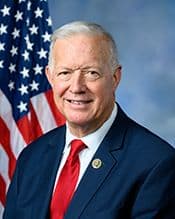
Randy K. Sr. Weber
Republican Representative
Texas
Cosponsors (5)
Natural Resources Committee
- Introduced
- In Committee
- On Floor
- Passed Chamber
- Enacted
The bill establishes the Lone Star Coastal National Recreation Area as a unit of the National Park System along the Upper and Middle Texas Gulf Coast. Its primary purposes are to promote outdoor recreation, including hunting and fishing, conserve natural and cultural resources, and foster heritage tourism to support the local economy. The area will be established once the Secretary of the Interior determines sufficient lands have been acquired to form a manageable unit. The National Recreation Area will be administered by the Secretary of the Interior in partnership with the State of Texas, local entities, and private landowners, following National Park System laws. A key component is the establishment of the Lone Star Coastal Partnership , comprising Federal, State, and local government representatives, private landowners, and non-governmental organizations. This Partnership will facilitate cooperation and coordinate activities for the Network, which includes both the National Recreation Area and voluntarily participating "associated sites." Land acquisition for the National Recreation Area is strictly limited to voluntary means , such as donation, purchase from willing sellers with donated funds, exchange, or transfer from other Federal agencies. The bill explicitly prohibits the use of condemnation for land acquisition. Participation of private and non-federal public lands as "associated sites" within the Network requires the written consent of the landowner or administrator, ensuring that Federal ownership or management authority is not conferred over these lands. The Partnership is tasked with developing an Integrated Resource Management Plan within three years, which must emphasize local control and voluntary land submissions. Crucially, the bill includes strong savings provisions , stating that the designation will not diminish State or local jurisdiction, impose new regulations on private property (including under the Endangered Species Act), or impede existing economic activities like oil and gas operations. Hunting, fishing, and off-road vehicle use are generally permitted on NPS-managed lands within the area, subject to specific conditions and consultation. The bill authorizes appropriations for technical assistance, planning, and program administration, but specifically prohibits the use of funds for land acquisition by condemnation. Federal funds provided through cooperative agreements will require a 3:1 non-Federal match , which can include cash, services, or in-kind contributions. These provisions underscore the bill's commitment to a collaborative, locally-driven approach with significant protections for private property rights and existing economic uses.
View Full TextSuggested Questions
Get AI-generated questions to help you understand this bill better
Timeline
Introduced in House
Referred to the House Committee on Natural Resources.
Public Lands and Natural Resources
Lone Star Coastal National Recreation Area Act
USA119th CongressHR-9325| House
| Updated: 6/15/2026
The bill establishes the Lone Star Coastal National Recreation Area as a unit of the National Park System along the Upper and Middle Texas Gulf Coast. Its primary purposes are to promote outdoor recreation, including hunting and fishing, conserve natural and cultural resources, and foster heritage tourism to support the local economy. The area will be established once the Secretary of the Interior determines sufficient lands have been acquired to form a manageable unit. The National Recreation Area will be administered by the Secretary of the Interior in partnership with the State of Texas, local entities, and private landowners, following National Park System laws. A key component is the establishment of the Lone Star Coastal Partnership , comprising Federal, State, and local government representatives, private landowners, and non-governmental organizations. This Partnership will facilitate cooperation and coordinate activities for the Network, which includes both the National Recreation Area and voluntarily participating "associated sites." Land acquisition for the National Recreation Area is strictly limited to voluntary means , such as donation, purchase from willing sellers with donated funds, exchange, or transfer from other Federal agencies. The bill explicitly prohibits the use of condemnation for land acquisition. Participation of private and non-federal public lands as "associated sites" within the Network requires the written consent of the landowner or administrator, ensuring that Federal ownership or management authority is not conferred over these lands. The Partnership is tasked with developing an Integrated Resource Management Plan within three years, which must emphasize local control and voluntary land submissions. Crucially, the bill includes strong savings provisions , stating that the designation will not diminish State or local jurisdiction, impose new regulations on private property (including under the Endangered Species Act), or impede existing economic activities like oil and gas operations. Hunting, fishing, and off-road vehicle use are generally permitted on NPS-managed lands within the area, subject to specific conditions and consultation. The bill authorizes appropriations for technical assistance, planning, and program administration, but specifically prohibits the use of funds for land acquisition by condemnation. Federal funds provided through cooperative agreements will require a 3:1 non-Federal match , which can include cash, services, or in-kind contributions. These provisions underscore the bill's commitment to a collaborative, locally-driven approach with significant protections for private property rights and existing economic uses.
View Full TextSuggested Questions
Get AI-generated questions to help you understand this bill better
Timeline
Introduced in House
Referred to the House Committee on Natural Resources.
Randy K. Sr. Weber
Republican Representative
Texas
Cosponsors (5)
Natural Resources Committee
Public Lands and Natural Resources
- Introduced
- In Committee
- On Floor
- Passed Chamber
- Enacted