National Commission to Combat Workplace Sexual Harassment Act
USA119th CongressHR-9198| House
| Updated: 6/8/2026
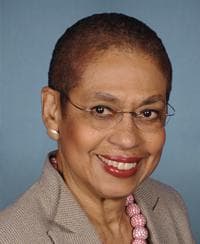
Eleanor Holmes Norton
Democratic Representative
District of Columbia
Education and Workforce Committee
- Introduced
- In Committee
- On Floor
- Passed Chamber
- Enacted
This legislation establishes the National Commission to Combat Workplace Sexual Harassment , tasked with undertaking a comprehensive investigation and study of sexual harassment, sexual assault, and other sexual misconduct across various industries in the United States. The Commission will gather testimony from a wide range of individuals, including workers, employers, contractors, experts in employment discrimination, and members of the public, to understand their experiences and the broader landscape of workplace misconduct. The Commission's duties include assessing the causes and effects of such misconduct, including retaliation for reporting , and evaluating how personal characteristics or employment circumstances might increase vulnerability. It will also analyze the impact of new communication forms like social media, review the efficacy of current reporting and accountability mechanisms, and examine existing laws and policies. Within 18 months of enactment, the Commission is required to submit a comprehensive report of its findings, conclusions, and recommendations to the President and Congress, after which it will hold a public hearing on its report and terminate 60 days later. The Commission will consist of 11 members, with at least six women, appointed by congressional leaders and the President, all knowledgeable in workplace sexual harassment or related discrimination.
Suggested Questions
Get AI-generated questions to help you understand this bill better
Timeline
Introduced in House
Referred to the House Committee on Education and Workforce.
Labor and Employment
National Commission to Combat Workplace Sexual Harassment Act
USA119th CongressHR-9198| House
| Updated: 6/8/2026
This legislation establishes the National Commission to Combat Workplace Sexual Harassment , tasked with undertaking a comprehensive investigation and study of sexual harassment, sexual assault, and other sexual misconduct across various industries in the United States. The Commission will gather testimony from a wide range of individuals, including workers, employers, contractors, experts in employment discrimination, and members of the public, to understand their experiences and the broader landscape of workplace misconduct. The Commission's duties include assessing the causes and effects of such misconduct, including retaliation for reporting , and evaluating how personal characteristics or employment circumstances might increase vulnerability. It will also analyze the impact of new communication forms like social media, review the efficacy of current reporting and accountability mechanisms, and examine existing laws and policies. Within 18 months of enactment, the Commission is required to submit a comprehensive report of its findings, conclusions, and recommendations to the President and Congress, after which it will hold a public hearing on its report and terminate 60 days later. The Commission will consist of 11 members, with at least six women, appointed by congressional leaders and the President, all knowledgeable in workplace sexual harassment or related discrimination.
Suggested Questions
Get AI-generated questions to help you understand this bill better
Timeline
Introduced in House
Referred to the House Committee on Education and Workforce.
Eleanor Holmes Norton
Democratic Representative
District of Columbia
Education and Workforce Committee
Labor and Employment
- Introduced
- In Committee
- On Floor
- Passed Chamber
- Enacted