EITC Modernization Act
USA119th CongressHR-905| House
| Updated: 1/31/2025
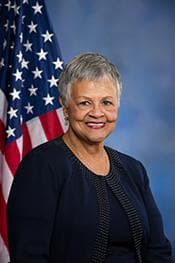
Bonnie Watson Coleman
Democratic Representative
New Jersey
Cosponsors (17)
Yassamin Ansari (Democratic)Jennifer L. McClellan (Democratic)Sanford D. Bishop (Democratic)Shontel M. Brown (Democratic)Kristen McDonald Rivet (Democratic)Frederica S. Wilson (Democratic)Henry C. "Hank" Johnson (Democratic)Sheila Cherfilus-McCormick (Democratic)Jill N. Tokuda (Democratic)Jahana Hayes (Democratic)LaMonica McIver (Democratic)Sydney Kamlager-Dove (Democratic)Eleanor Holmes Norton (Democratic)Yvette D. Clarke (Democratic)Bennie G. Thompson (Democratic)Valerie P. Foushee (Democratic)Kweisi Mfume (Democratic)
Ways and Means Committee
- Introduced
- In Committee
- On Floor
- Passed Chamber
- Enacted
The "EITC Modernization Act" proposes significant amendments to the Internal Revenue Code of 1986, primarily aimed at expanding the Earned Income Tax Credit (EITC). Congress finds that the EITC has historically increased family income, reduced child poverty, and promoted employment, and that its expansion is crucial to address the widening income gap in the United States. The bill seeks to broaden the credit's reach to further support working individuals and families. A key provision redefines eligibility for the EITC by replacing "qualifying child" with "qualifying dependent." This new category includes not only qualifying children but also aged dependents (individuals 65 or older for whom a deduction is allowable) and certain other qualifying individuals. Taxpayers must provide the name, age, and Taxpayer Identification Number (TIN) for each qualifying dependent to claim the credit. Furthermore, the bill extends EITC eligibility to "qualifying students." To be considered a qualifying student, an individual must be an eligible student at a higher education institution, not claimed as a dependent by another taxpayer, and either qualify for a Federal Pell Grant or have a modified adjusted gross income below 250 percent of the poverty line. This expansion aims to provide financial relief to students pursuing higher education who meet specific income criteria. The legislation also introduces a minimum credit of $1,200 for qualifying students and for individuals with certain qualifying dependents (excluding qualifying children aged seven or older). To provide more immediate financial assistance, taxpayers may elect to receive their EITC refund in monthly payments over 13 months, provided the refund exceeds $240. A special rule allows for the adjustment of these monthly payments for new low-income parents if a qualifying child is born or adopted during the payment period, and the minimum age for eligible individuals without dependents is lowered from 25 to 18. Beyond EITC modifications, the bill establishes a Community Volunteer Income Tax Assistance (VITA) Matching Grant Program . This program, administered by the IRS, will provide grants to qualified return preparation programs that assist low-income taxpayers and underserved populations. These grants can be used for operational costs, outreach, financial education, and asset development, with priority given to programs demonstrating strong outreach to these target groups and maintaining high accuracy rates in tax return preparation.
Suggested Questions
Get AI-generated questions to help you understand this bill better
Timeline
Introduced in House
Referred to the House Committee on Ways and Means.
Taxation
EITC Modernization Act
USA119th CongressHR-905| House
| Updated: 1/31/2025
The "EITC Modernization Act" proposes significant amendments to the Internal Revenue Code of 1986, primarily aimed at expanding the Earned Income Tax Credit (EITC). Congress finds that the EITC has historically increased family income, reduced child poverty, and promoted employment, and that its expansion is crucial to address the widening income gap in the United States. The bill seeks to broaden the credit's reach to further support working individuals and families. A key provision redefines eligibility for the EITC by replacing "qualifying child" with "qualifying dependent." This new category includes not only qualifying children but also aged dependents (individuals 65 or older for whom a deduction is allowable) and certain other qualifying individuals. Taxpayers must provide the name, age, and Taxpayer Identification Number (TIN) for each qualifying dependent to claim the credit. Furthermore, the bill extends EITC eligibility to "qualifying students." To be considered a qualifying student, an individual must be an eligible student at a higher education institution, not claimed as a dependent by another taxpayer, and either qualify for a Federal Pell Grant or have a modified adjusted gross income below 250 percent of the poverty line. This expansion aims to provide financial relief to students pursuing higher education who meet specific income criteria. The legislation also introduces a minimum credit of $1,200 for qualifying students and for individuals with certain qualifying dependents (excluding qualifying children aged seven or older). To provide more immediate financial assistance, taxpayers may elect to receive their EITC refund in monthly payments over 13 months, provided the refund exceeds $240. A special rule allows for the adjustment of these monthly payments for new low-income parents if a qualifying child is born or adopted during the payment period, and the minimum age for eligible individuals without dependents is lowered from 25 to 18. Beyond EITC modifications, the bill establishes a Community Volunteer Income Tax Assistance (VITA) Matching Grant Program . This program, administered by the IRS, will provide grants to qualified return preparation programs that assist low-income taxpayers and underserved populations. These grants can be used for operational costs, outreach, financial education, and asset development, with priority given to programs demonstrating strong outreach to these target groups and maintaining high accuracy rates in tax return preparation.
Suggested Questions
Get AI-generated questions to help you understand this bill better
Timeline
Introduced in House
Referred to the House Committee on Ways and Means.
Bonnie Watson Coleman
Democratic Representative
New Jersey
Cosponsors (17)
Yassamin Ansari (Democratic)Jennifer L. McClellan (Democratic)Sanford D. Bishop (Democratic)Shontel M. Brown (Democratic)Kristen McDonald Rivet (Democratic)Frederica S. Wilson (Democratic)Henry C. "Hank" Johnson (Democratic)Sheila Cherfilus-McCormick (Democratic)Jill N. Tokuda (Democratic)Jahana Hayes (Democratic)LaMonica McIver (Democratic)Sydney Kamlager-Dove (Democratic)Eleanor Holmes Norton (Democratic)Yvette D. Clarke (Democratic)Bennie G. Thompson (Democratic)Valerie P. Foushee (Democratic)Kweisi Mfume (Democratic)
Ways and Means Committee
Taxation
- Introduced
- In Committee
- On Floor
- Passed Chamber
- Enacted