Restoring Overtime Pay Act of 2026
USA119th CongressHR-8868| House
| Updated: 5/15/2026
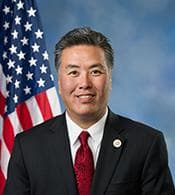
Mark Takano
Democratic Representative
California
Cosponsors (34)
John W. Mannion (Democratic)Dwight Evans (Democratic)Yassamin Ansari (Democratic)Jonathan L. Jackson (Democratic)Christopher R. Deluzio (Democratic)Ilhan Omar (Democratic)Troy A. Carter (Democratic)Steven Horsford (Democratic)Maxwell Frost (Democratic)Debbie Dingell (Democratic)Delia C. Ramirez (Democratic)Rosa L. DeLauro (Democratic)Greg Casar (Democratic)Shri Thanedar (Democratic)Jahana Hayes (Democratic)Alma S. Adams (Democratic)Pramila Jayapal (Democratic)Eleanor Holmes Norton (Democratic)Mary Gay Scanlon (Democratic)Lateefah Simon (Democratic)Janice D. Schakowsky (Democratic)Maxine Waters (Democratic)Summer L. Lee (Democratic)Everton Blair (Democratic)Sarah McBride (Democratic)Suzanne Bonamici (Democratic)Luz M. Rivas (Democratic)Emily Randall (Democratic)Jesús G. "Chuy" García (Democratic)Kevin Mullin (Democratic)Grace Meng (Democratic)Valerie P. Foushee (Democratic)Rashida Tlaib (Democratic)Judy Chu (Democratic)
Education and Workforce Committee
- Introduced
- In Committee
- On Floor
- Passed Chamber
- Enacted
This bill proposes significant changes to the Fair Labor Standards Act of 1938, primarily by establishing a new minimum salary threshold for executive, administrative, and professional employees to qualify for exemption from federal overtime pay requirements. The legislation outlines a phased increase for this threshold, beginning at $45,000 upon the bill's effective date and incrementally rising to $75,000 by January 1, 2029. This measure aims to expand overtime eligibility to a greater number of salaried workers. A key provision of the bill mandates that, starting January 1, 2030, the salary threshold will be automatically updated annually . This update will be based on the 55th percentile of weekly earnings for full-time salaried workers nationally, as determined by the Bureau of Labor Statistics. Additionally, the bill modifies the "duties test" for these exemptions, stipulating that employees performing non-exempt activities for more than 20% of their time may no longer qualify for the exemption, thereby clarifying and potentially narrowing the scope of who can be considered exempt.
View Full TextSuggested Questions
Get AI-generated questions to help you understand this bill better
Timeline
Introduced in House
Referred to the House Committee on Education and Workforce.
Labor and Employment
Restoring Overtime Pay Act of 2026
USA119th CongressHR-8868| House
| Updated: 5/15/2026
This bill proposes significant changes to the Fair Labor Standards Act of 1938, primarily by establishing a new minimum salary threshold for executive, administrative, and professional employees to qualify for exemption from federal overtime pay requirements. The legislation outlines a phased increase for this threshold, beginning at $45,000 upon the bill's effective date and incrementally rising to $75,000 by January 1, 2029. This measure aims to expand overtime eligibility to a greater number of salaried workers. A key provision of the bill mandates that, starting January 1, 2030, the salary threshold will be automatically updated annually . This update will be based on the 55th percentile of weekly earnings for full-time salaried workers nationally, as determined by the Bureau of Labor Statistics. Additionally, the bill modifies the "duties test" for these exemptions, stipulating that employees performing non-exempt activities for more than 20% of their time may no longer qualify for the exemption, thereby clarifying and potentially narrowing the scope of who can be considered exempt.
View Full TextSuggested Questions
Get AI-generated questions to help you understand this bill better
Timeline
Introduced in House
Referred to the House Committee on Education and Workforce.
Mark Takano
Democratic Representative
California
Cosponsors (34)
John W. Mannion (Democratic)Dwight Evans (Democratic)Yassamin Ansari (Democratic)Jonathan L. Jackson (Democratic)Christopher R. Deluzio (Democratic)Ilhan Omar (Democratic)Troy A. Carter (Democratic)Steven Horsford (Democratic)Maxwell Frost (Democratic)Debbie Dingell (Democratic)Delia C. Ramirez (Democratic)Rosa L. DeLauro (Democratic)Greg Casar (Democratic)Shri Thanedar (Democratic)Jahana Hayes (Democratic)Alma S. Adams (Democratic)Pramila Jayapal (Democratic)Eleanor Holmes Norton (Democratic)Mary Gay Scanlon (Democratic)Lateefah Simon (Democratic)Janice D. Schakowsky (Democratic)Maxine Waters (Democratic)Summer L. Lee (Democratic)Everton Blair (Democratic)Sarah McBride (Democratic)Suzanne Bonamici (Democratic)Luz M. Rivas (Democratic)Emily Randall (Democratic)Jesús G. "Chuy" García (Democratic)Kevin Mullin (Democratic)Grace Meng (Democratic)Valerie P. Foushee (Democratic)Rashida Tlaib (Democratic)Judy Chu (Democratic)
Education and Workforce Committee
Labor and Employment
Related Bills
- Introduced
- In Committee
- On Floor
- Passed Chamber
- Enacted