USTDA Modernization Act of 2026
USA119th CongressHR-8625| House
| Updated: 4/30/2026
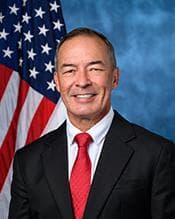
James C. Moylan
Republican Representative
Guam
Cosponsors (1)
Foreign Affairs Committee
- Introduced
- In Committee
- On Floor
- Passed Chamber
- Enacted
The United States Trade and Development Agency Modernization Act of 2026 aims to enhance the agency's ability to advance U.S. commercial and national security interests. It authorizes the Director of the Trade and Development Agency (USTDA) to allocate up to 15 percent of its annual appropriated funds for development activities in high-income countries. This includes projects that serve U.S. strategic interests in critical sectors such as energy, critical minerals, transport, or telecommunications . Furthermore, the bill strengthens USTDA's operational capacity by expanding its personnel authorities . It increases the number of certain appointed positions from two to five and permits the agency to contract with individuals for personal services, who will not be considered Federal employees, while requiring an annual report on these contractors to Congress.
View Full TextSuggested Questions
Get AI-generated questions to help you understand this bill better
Timeline
Introduced in House
Referred to the House Committee on Foreign Affairs.
International Affairs
USTDA Modernization Act of 2026
USA119th CongressHR-8625| House
| Updated: 4/30/2026
The United States Trade and Development Agency Modernization Act of 2026 aims to enhance the agency's ability to advance U.S. commercial and national security interests. It authorizes the Director of the Trade and Development Agency (USTDA) to allocate up to 15 percent of its annual appropriated funds for development activities in high-income countries. This includes projects that serve U.S. strategic interests in critical sectors such as energy, critical minerals, transport, or telecommunications . Furthermore, the bill strengthens USTDA's operational capacity by expanding its personnel authorities . It increases the number of certain appointed positions from two to five and permits the agency to contract with individuals for personal services, who will not be considered Federal employees, while requiring an annual report on these contractors to Congress.
View Full TextSuggested Questions
Get AI-generated questions to help you understand this bill better
Timeline
Introduced in House
Referred to the House Committee on Foreign Affairs.
James C. Moylan
Republican Representative
Guam
Cosponsors (1)
Foreign Affairs Committee
International Affairs
- Introduced
- In Committee
- On Floor
- Passed Chamber
- Enacted