FLEETS Now Act
USA119th CongressHR-8615| House
| Updated: 4/30/2026
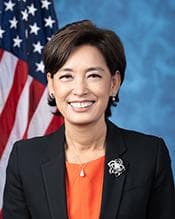
Young Kim
Republican Representative
California
Cosponsors (6)
Foreign Affairs Committee
- Introduced
- In Committee
- On Floor
- Passed Chamber
- Enacted
This bill, known as the FLEETS Now Act, addresses the People's Republic of China's (PRC) unfair and non-market-oriented trade practices in the maritime, logistics, and shipbuilding sectors. It highlights the PRC's strategy of using commercial activities to bolster its naval industrial base and achieve market dominance, which undermines global competition and creates dependencies. The legislation asserts that these practices weaken United States national security and economic interests, necessitating a comprehensive response. To counter these challenges, the bill establishes a policy for the United States to develop independent domestic shipbuilding capacity for both commercial and military applications, free from PRC supply chain reliance. This involves fostering knowledge transfer, developing a skilled workforce, and securing direct investment in U.S. shipyards from allies. A key provision mandates the President to designate a primary point of contact responsible for attracting international shipbuilding investments and leading supply chain diversification efforts. The legislation emphasizes international cooperation through the creation of an Allied Maritime Framework . This framework aims to enhance collective capacity in ship design, production, and maintenance among allied countries, promoting information exchange, industrial collaboration, and joint workforce development. Additionally, it seeks to establish a "Maritime Group of Nations" to coordinate regulatory and commerce policies, excluding foreign countries of concern, and to support maritime prosperity zones and coordinated fees on foreign-built vessels. The bill also mandates a briefing and annual reports on major Chinese shipbuilding corporations, including their subsidiaries and government involvement, to expose their business practices. It authorizes an exchange program for shipbuilding industry experts to enhance American expertise and details maritime investigators to diplomatic posts to probe unfair shipping practices and financial relationships of Chinese companies. Furthermore, it directs the U.S. Ambassador to the United Nations to influence the International Maritime Organization to combat anti-competitive practices, advance U.S. candidacies, and revise environmental regulations to support an "energy all" approach.
View Full TextSuggested Questions
Get AI-generated questions to help you understand this bill better
Timeline
Introduced in House
Referred to the House Committee on Foreign Affairs.
International Affairs
FLEETS Now Act
USA119th CongressHR-8615| House
| Updated: 4/30/2026
This bill, known as the FLEETS Now Act, addresses the People's Republic of China's (PRC) unfair and non-market-oriented trade practices in the maritime, logistics, and shipbuilding sectors. It highlights the PRC's strategy of using commercial activities to bolster its naval industrial base and achieve market dominance, which undermines global competition and creates dependencies. The legislation asserts that these practices weaken United States national security and economic interests, necessitating a comprehensive response. To counter these challenges, the bill establishes a policy for the United States to develop independent domestic shipbuilding capacity for both commercial and military applications, free from PRC supply chain reliance. This involves fostering knowledge transfer, developing a skilled workforce, and securing direct investment in U.S. shipyards from allies. A key provision mandates the President to designate a primary point of contact responsible for attracting international shipbuilding investments and leading supply chain diversification efforts. The legislation emphasizes international cooperation through the creation of an Allied Maritime Framework . This framework aims to enhance collective capacity in ship design, production, and maintenance among allied countries, promoting information exchange, industrial collaboration, and joint workforce development. Additionally, it seeks to establish a "Maritime Group of Nations" to coordinate regulatory and commerce policies, excluding foreign countries of concern, and to support maritime prosperity zones and coordinated fees on foreign-built vessels. The bill also mandates a briefing and annual reports on major Chinese shipbuilding corporations, including their subsidiaries and government involvement, to expose their business practices. It authorizes an exchange program for shipbuilding industry experts to enhance American expertise and details maritime investigators to diplomatic posts to probe unfair shipping practices and financial relationships of Chinese companies. Furthermore, it directs the U.S. Ambassador to the United Nations to influence the International Maritime Organization to combat anti-competitive practices, advance U.S. candidacies, and revise environmental regulations to support an "energy all" approach.
View Full TextSuggested Questions
Get AI-generated questions to help you understand this bill better
Timeline
Introduced in House
Referred to the House Committee on Foreign Affairs.
Young Kim
Republican Representative
California
Cosponsors (6)
Foreign Affairs Committee
International Affairs
- Introduced
- In Committee
- On Floor
- Passed Chamber
- Enacted