CHARTER Act
USA119th CongressHR-8606| House
| Updated: 4/30/2026
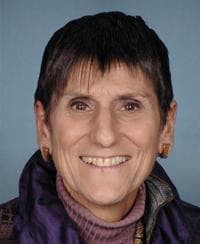
Rosa L. DeLauro
Democratic Representative
Connecticut
Cosponsors (19)
Emanuel Cleaver (Democratic)Frederica S. Wilson (Democratic)Maxwell Frost (Democratic)Melanie A. Stansbury (Democratic)Shri Thanedar (Democratic)Ro Khanna (Democratic)Adelita S. Grijalva (Democratic)Mark Takano (Democratic)Pramila Jayapal (Democratic)Kathy Castor (Democratic)Eleanor Holmes Norton (Democratic)Sharice Davids (Democratic)Lateefah Simon (Democratic)Mike Quigley (Democratic)Janice D. Schakowsky (Democratic)Summer L. Lee (Democratic)Suzanne Bonamici (Democratic)Jesús G. "Chuy" García (Democratic)Rashida Tlaib (Democratic)
Education and Workforce Committee
- Introduced
- In Committee
- On Floor
- Passed Chamber
- Enacted
This bill, titled the "Championing Honest And Responsible Transparency in Education Reform Act" or the "CHARTER Act," seeks to amend the Elementary and Secondary Education Act of 1965 (ESEA) and the Individuals with Disabilities Education Act (IDEA). Its primary purpose is to ensure that federal funding under these acts is not awarded to charter schools or charter management organizations (CMOs) that enter into contracts with for-profit entities for essential operational services. Specifically, it prohibits contracts where a for-profit entity operates, oversees, or manages the charter school, including curriculum development, budget management, and faculty management, to prevent profit extraction from public funds. The legislation clarifies that charter schools may still contract with for-profit or nonprofit entities for ancillary services such as food, payroll, facilities maintenance, transportation, or classroom supplies. This measure responds to historical issues, including a 2006 Ninth Circuit Court ruling that found for-profit charter schools ineligible for federal funds, leading to their reorganization as for-profit operators of nonprofit organizations. The amendments will take effect three years after the bill's enactment and will apply to any contract entered into, renewed, or extended on or after that date.
View Full TextSuggested Questions
Get AI-generated questions to help you understand this bill better
Timeline
Introduced in House
Referred to the House Committee on Education and Workforce.
Education
CHARTER Act
USA119th CongressHR-8606| House
| Updated: 4/30/2026
This bill, titled the "Championing Honest And Responsible Transparency in Education Reform Act" or the "CHARTER Act," seeks to amend the Elementary and Secondary Education Act of 1965 (ESEA) and the Individuals with Disabilities Education Act (IDEA). Its primary purpose is to ensure that federal funding under these acts is not awarded to charter schools or charter management organizations (CMOs) that enter into contracts with for-profit entities for essential operational services. Specifically, it prohibits contracts where a for-profit entity operates, oversees, or manages the charter school, including curriculum development, budget management, and faculty management, to prevent profit extraction from public funds. The legislation clarifies that charter schools may still contract with for-profit or nonprofit entities for ancillary services such as food, payroll, facilities maintenance, transportation, or classroom supplies. This measure responds to historical issues, including a 2006 Ninth Circuit Court ruling that found for-profit charter schools ineligible for federal funds, leading to their reorganization as for-profit operators of nonprofit organizations. The amendments will take effect three years after the bill's enactment and will apply to any contract entered into, renewed, or extended on or after that date.
View Full TextSuggested Questions
Get AI-generated questions to help you understand this bill better
Timeline
Introduced in House
Referred to the House Committee on Education and Workforce.
Rosa L. DeLauro
Democratic Representative
Connecticut
Cosponsors (19)
Emanuel Cleaver (Democratic)Frederica S. Wilson (Democratic)Maxwell Frost (Democratic)Melanie A. Stansbury (Democratic)Shri Thanedar (Democratic)Ro Khanna (Democratic)Adelita S. Grijalva (Democratic)Mark Takano (Democratic)Pramila Jayapal (Democratic)Kathy Castor (Democratic)Eleanor Holmes Norton (Democratic)Sharice Davids (Democratic)Lateefah Simon (Democratic)Mike Quigley (Democratic)Janice D. Schakowsky (Democratic)Summer L. Lee (Democratic)Suzanne Bonamici (Democratic)Jesús G. "Chuy" García (Democratic)Rashida Tlaib (Democratic)
Education and Workforce Committee
Education
- Introduced
- In Committee
- On Floor
- Passed Chamber
- Enacted