Language Access Board Act of 2026
USA119th CongressHR-8604| House
| Updated: 4/30/2026
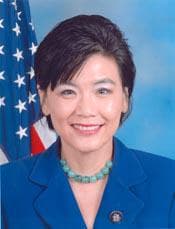
Judy Chu
Democratic Representative
California
Cosponsors (13)
Darren Soto (Democratic)Frederica S. Wilson (Democratic)Juan Vargas (Democratic)J. Luis Correa (Democratic)Ted Lieu (Democratic)Al Green (Democratic)Daniel S. Goldman (Democratic)Eleanor Holmes Norton (Democratic)Lateefah Simon (Democratic)Timothy M. Kennedy (Democratic)Jimmy Gomez (Democratic)Grace Meng (Democratic)Rashida Tlaib (Democratic)
Oversight and Government Reform Committee
- Introduced
- In Committee
- On Floor
- Passed Chamber
- Enacted
The bill establishes the Language Access Board (LAB) within the Federal Government, comprising 32 members. This Board is tasked with ensuring that individuals with limited English proficiency (LEP) have meaningful access to federally conducted programs and initiatives. Its core purpose is to enforce, issue, and investigate language access standards, provide technical assistance, and promote language accessibility across all segments of society. The LAB's duties include establishing and maintaining language access standards for public-facing resources, developing advisory information for federal agencies, and studying best practices for assisting LEP individuals. The Board is empowered to conduct investigations, hold public hearings, and issue orders of compliance to address violations. It can also bring civil actions to enforce its final orders, subject to approval from the Office of Management and Budget. Within two years of enactment, the Board must issue initial language access standards for federal departments and agencies, which must then revise their policies to incorporate these standards. Agencies are required to ensure their public-facing materials are accessible to LEP individuals, comparable to English speakers, unless an undue burden is demonstrated. The Board will review and amend these standards every five years to reflect technological and demographic changes. Federal agencies may request waivers from specific standards if compliance poses an undue burden, though such waivers cannot deny meaningful access. The bill also establishes a complaint process, allowing LEP individuals or organizations to file grievances with the Board regarding agency non-compliance. Upon investigation, the Board will collaborate with non-compliant agencies to develop and monitor corrective action plans, ensuring progress towards accessibility. The Board is mandated to submit biennial reports to Congress and the President detailing the extent of language access, compliance, and investigative actions. Federal agencies must also conduct their own biennial evaluations of their language accessibility and take steps to improve it. The bill defines key terms such as "federally conducted program or initiative," "limited English proficiency," and "meaningful access" to clarify its scope and application.
View Full TextSuggested Questions
Get AI-generated questions to help you understand this bill better
Timeline
Introduced in House
Referred to the House Committee on Oversight and Government Reform.
Government Operations and Politics
Language Access Board Act of 2026
USA119th CongressHR-8604| House
| Updated: 4/30/2026
The bill establishes the Language Access Board (LAB) within the Federal Government, comprising 32 members. This Board is tasked with ensuring that individuals with limited English proficiency (LEP) have meaningful access to federally conducted programs and initiatives. Its core purpose is to enforce, issue, and investigate language access standards, provide technical assistance, and promote language accessibility across all segments of society. The LAB's duties include establishing and maintaining language access standards for public-facing resources, developing advisory information for federal agencies, and studying best practices for assisting LEP individuals. The Board is empowered to conduct investigations, hold public hearings, and issue orders of compliance to address violations. It can also bring civil actions to enforce its final orders, subject to approval from the Office of Management and Budget. Within two years of enactment, the Board must issue initial language access standards for federal departments and agencies, which must then revise their policies to incorporate these standards. Agencies are required to ensure their public-facing materials are accessible to LEP individuals, comparable to English speakers, unless an undue burden is demonstrated. The Board will review and amend these standards every five years to reflect technological and demographic changes. Federal agencies may request waivers from specific standards if compliance poses an undue burden, though such waivers cannot deny meaningful access. The bill also establishes a complaint process, allowing LEP individuals or organizations to file grievances with the Board regarding agency non-compliance. Upon investigation, the Board will collaborate with non-compliant agencies to develop and monitor corrective action plans, ensuring progress towards accessibility. The Board is mandated to submit biennial reports to Congress and the President detailing the extent of language access, compliance, and investigative actions. Federal agencies must also conduct their own biennial evaluations of their language accessibility and take steps to improve it. The bill defines key terms such as "federally conducted program or initiative," "limited English proficiency," and "meaningful access" to clarify its scope and application.
View Full TextSuggested Questions
Get AI-generated questions to help you understand this bill better
Timeline
Introduced in House
Referred to the House Committee on Oversight and Government Reform.
Judy Chu
Democratic Representative
California
Cosponsors (13)
Darren Soto (Democratic)Frederica S. Wilson (Democratic)Juan Vargas (Democratic)J. Luis Correa (Democratic)Ted Lieu (Democratic)Al Green (Democratic)Daniel S. Goldman (Democratic)Eleanor Holmes Norton (Democratic)Lateefah Simon (Democratic)Timothy M. Kennedy (Democratic)Jimmy Gomez (Democratic)Grace Meng (Democratic)Rashida Tlaib (Democratic)
Oversight and Government Reform Committee
Government Operations and Politics
- Introduced
- In Committee
- On Floor
- Passed Chamber
- Enacted