Dismemberment Abortion Ban Act of 2026
USA119th CongressHR-8603| House
| Updated: 4/30/2026
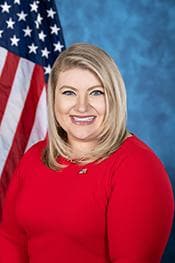
Kat Cammack
Republican Representative
Florida
Cosponsors (17)
Sheri Biggs (Republican)Andy Harris (Republican)Robert F. Onder (Republican)Lance Gooden (Republican)Claudia Tenney (Republican)Christopher H. Smith (Republican)Mike Kelly (Republican)Roger Williams (Republican)Ron Estes (Republican)W. Gregory Steube (Republican)Mary E. Miller (Republican)Mike Bost (Republican)Marlin A. Stutzman (Republican)Virginia Foxx (Republican)Andrew S. Clyde (Republican)Tracey Mann (Republican)Michelle Fischbach (Republican)
Judiciary Committee
- Introduced
- In Committee
- On Floor
- Passed Chamber
- Enacted
This legislation seeks to amend Title 18 of the U.S. Code by introducing a new section that prohibits physicians from performing dismemberment abortions . This procedure is specifically defined as knowingly dismembering an unborn child—defined as an individual organism of the species homo sapiens from fertilization—and extracting it piece by piece or intact but crushed, using instruments like clamps or forceps, with the purpose of causing the child's death. Physicians who violate this prohibition could face fines or imprisonment for up to two years, though an exception is made for procedures deemed necessary to save the life of a mother whose life is endangered by a physical disorder, illness, or injury. The bill clarifies that it does not restrict other abortion methods, even in cases of rape or incest, as long as they do not involve dismemberment. Furthermore, the legislation establishes civil remedies , allowing women upon whom a prohibited abortion was performed, or parents of affected minors, to file civil actions against the violating physician for damages and attorney's fees. Importantly, the bill explicitly grants immunity from criminal prosecution to any woman who undergoes a dismemberment abortion, and it also includes clerical amendments to Title 18, United States Code, changing the chapter heading for chapter 74 from "PARTIAL-BIRTH ABORTIONS" to the broader term "ABORTIONS."
View Full TextSuggested Questions
Get AI-generated questions to help you understand this bill better
Timeline
Introduced in House
Referred to the House Committee on the Judiciary.
Crime and Law Enforcement
Dismemberment Abortion Ban Act of 2026
USA119th CongressHR-8603| House
| Updated: 4/30/2026
This legislation seeks to amend Title 18 of the U.S. Code by introducing a new section that prohibits physicians from performing dismemberment abortions . This procedure is specifically defined as knowingly dismembering an unborn child—defined as an individual organism of the species homo sapiens from fertilization—and extracting it piece by piece or intact but crushed, using instruments like clamps or forceps, with the purpose of causing the child's death. Physicians who violate this prohibition could face fines or imprisonment for up to two years, though an exception is made for procedures deemed necessary to save the life of a mother whose life is endangered by a physical disorder, illness, or injury. The bill clarifies that it does not restrict other abortion methods, even in cases of rape or incest, as long as they do not involve dismemberment. Furthermore, the legislation establishes civil remedies , allowing women upon whom a prohibited abortion was performed, or parents of affected minors, to file civil actions against the violating physician for damages and attorney's fees. Importantly, the bill explicitly grants immunity from criminal prosecution to any woman who undergoes a dismemberment abortion, and it also includes clerical amendments to Title 18, United States Code, changing the chapter heading for chapter 74 from "PARTIAL-BIRTH ABORTIONS" to the broader term "ABORTIONS."
View Full TextSuggested Questions
Get AI-generated questions to help you understand this bill better
Timeline
Introduced in House
Referred to the House Committee on the Judiciary.
Kat Cammack
Republican Representative
Florida
Cosponsors (17)
Sheri Biggs (Republican)Andy Harris (Republican)Robert F. Onder (Republican)Lance Gooden (Republican)Claudia Tenney (Republican)Christopher H. Smith (Republican)Mike Kelly (Republican)Roger Williams (Republican)Ron Estes (Republican)W. Gregory Steube (Republican)Mary E. Miller (Republican)Mike Bost (Republican)Marlin A. Stutzman (Republican)Virginia Foxx (Republican)Andrew S. Clyde (Republican)Tracey Mann (Republican)Michelle Fischbach (Republican)
Judiciary Committee
Crime and Law Enforcement
Related Bills
- Introduced
- In Committee
- On Floor
- Passed Chamber
- Enacted