North Pacific Fishery Management Council Representation Enhancement Act of 2026
USA119th CongressHR-8598| House
| Updated: 4/30/2026
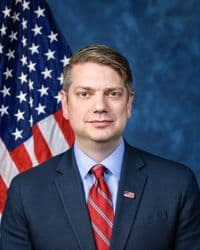
Nicholas J. Begich
Republican Representative
Alaska
Natural Resources Committee
- Introduced
- In Committee
- On Floor
- Passed Chamber
- Enacted
This bill seeks to enhance representation on the North Pacific Fishery Management Council by amending the Magnuson-Stevens Fishery Conservation and Management Act. It addresses concerns that the council's current composition may underrepresent diverse stakeholders, including recreational fishers , non-industrial commercial fishers , and both rural and urban subsistence users , often overshadowed by large-scale commercial interests. The legislation aims to ensure more balanced management decisions that reflect the needs of all groups dependent on Alaska's vital fishery resources. To achieve this, the bill mandates that among the five voting members appointed from Alaska, there must be at least one representative from each of these four specific user groups. It also defines these interests, such as a "non-industrial commercial fishing interest" as owner-operated vessels under 160 feet, and requires the Governor of Alaska to identify such representation on appointment lists. These changes will apply to appointments made one year after the bill's enactment, promoting greater stakeholder inclusion and aligning with the Act's goals of conservation and sustainability.
View Full TextSuggested Questions
Get AI-generated questions to help you understand this bill better
Timeline
Introduced in House
Referred to the House Committee on Natural Resources.
Public Lands and Natural Resources
North Pacific Fishery Management Council Representation Enhancement Act of 2026
USA119th CongressHR-8598| House
| Updated: 4/30/2026
This bill seeks to enhance representation on the North Pacific Fishery Management Council by amending the Magnuson-Stevens Fishery Conservation and Management Act. It addresses concerns that the council's current composition may underrepresent diverse stakeholders, including recreational fishers , non-industrial commercial fishers , and both rural and urban subsistence users , often overshadowed by large-scale commercial interests. The legislation aims to ensure more balanced management decisions that reflect the needs of all groups dependent on Alaska's vital fishery resources. To achieve this, the bill mandates that among the five voting members appointed from Alaska, there must be at least one representative from each of these four specific user groups. It also defines these interests, such as a "non-industrial commercial fishing interest" as owner-operated vessels under 160 feet, and requires the Governor of Alaska to identify such representation on appointment lists. These changes will apply to appointments made one year after the bill's enactment, promoting greater stakeholder inclusion and aligning with the Act's goals of conservation and sustainability.
View Full TextSuggested Questions
Get AI-generated questions to help you understand this bill better
Timeline
Introduced in House
Referred to the House Committee on Natural Resources.
Nicholas J. Begich
Republican Representative
Alaska
Natural Resources Committee
Public Lands and Natural Resources
- Introduced
- In Committee
- On Floor
- Passed Chamber
- Enacted