Kids in Classes Act
USA119th CongressHR-7918| House
| Updated: 3/12/2026
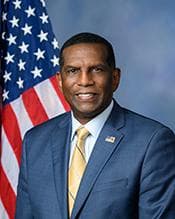
Burgess Owens
Republican Representative
Utah
Education and Workforce Committee
- Introduced
- In Committee
- On Floor
- Passed Chamber
- Enacted
The "Kids in Classes Act" addresses concerns that school closures disproportionately harm disadvantaged students, leading to significant learning loss and widening educational inequality. It aims to provide an alternative use for federal education funds when in-person instruction is unavailable. The bill emphasizes that long periods of school closures during events like public health emergencies negatively impact low-income students and students of color, jeopardizing their future prospects. To mitigate these effects, the bill amends the Elementary and Secondary Education Act of 1965, requiring local educational agencies (LEAs) to establish a "failure to open direct payment plan" as a condition for receiving Title I funds. Under this plan, if a school cannot offer in-person instruction for more than three days due to a public health emergency or collective bargaining, parents will receive direct payments. These payments, calculated based on the school's Title I funding per student per day, must be used for qualified educational expenses such as curriculum, tutoring, private school tuition, or educational therapies. Parents are required to submit receipts for these expenditures or return any unused funds.
View Full TextSuggested Questions
Get AI-generated questions to help you understand this bill better
Timeline
Introduced in House
Referred to the House Committee on Education and Workforce.
Kids in Classes Act
USA119th CongressHR-7918| House
| Updated: 3/12/2026
The "Kids in Classes Act" addresses concerns that school closures disproportionately harm disadvantaged students, leading to significant learning loss and widening educational inequality. It aims to provide an alternative use for federal education funds when in-person instruction is unavailable. The bill emphasizes that long periods of school closures during events like public health emergencies negatively impact low-income students and students of color, jeopardizing their future prospects. To mitigate these effects, the bill amends the Elementary and Secondary Education Act of 1965, requiring local educational agencies (LEAs) to establish a "failure to open direct payment plan" as a condition for receiving Title I funds. Under this plan, if a school cannot offer in-person instruction for more than three days due to a public health emergency or collective bargaining, parents will receive direct payments. These payments, calculated based on the school's Title I funding per student per day, must be used for qualified educational expenses such as curriculum, tutoring, private school tuition, or educational therapies. Parents are required to submit receipts for these expenditures or return any unused funds.
View Full TextSuggested Questions
Get AI-generated questions to help you understand this bill better
Timeline
Introduced in House
Referred to the House Committee on Education and Workforce.
Burgess Owens
Republican Representative
Utah
Education and Workforce Committee
Related Bills
- Introduced
- In Committee
- On Floor
- Passed Chamber
- Enacted