MVP Act
USA119th CongressHR-7871| House
| Updated: 3/9/2026
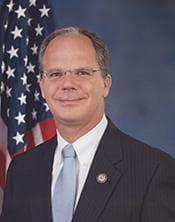
Brett Guthrie
Republican Representative
Kentucky
Cosponsors (17)
Neal P. Dunn (Republican)Mariannette Miller-Meeks (Republican)Beth Van Duyne (Republican)Scott H. Peters (Democratic)Donald G. Davis (Democratic)Earl L. "Buddy" Carter (Republican)Jake Auchincloss (Democratic)Ted Lieu (Democratic)Gus M. Bilirakis (Republican)Daniel Meuser (Republican)Joe Wilson (Republican)Glenn Ivey (Democratic)Mike Kelly (Republican)Kat Cammack (Republican)John Joyce (Republican)Kevin Mullin (Democratic)Troy Balderson (Republican)
Ways and Means Committee, Energy and Commerce Committee
- Introduced
- In Committee
- On Floor
- Passed Chamber
- Enacted
The Medicaid VBPs for Patients Act, or MVP Act, aims to codify value-based purchasing (VBP) arrangements within the Medicaid program. It amends the Social Security Act to allow for multiple best price points for a single drug dosage and strength under a VBP arrangement, provided the manufacturer offers such an arrangement to all States. The bill also revises the definition of Average Manufacturer Price (AMP) to account for refunds or reduced payments triggered when a patient fails to achieve defined outcomes under a VBP arrangement, and specifies how installment payments for VBP drugs are calculated for AMP purposes. Additionally, the Act clarifies that certain remuneration excluded from AMP calculations under VBP arrangements will also be excluded from the Average Sales Price (ASP) calculation under Medicare. It creates an exception under the antikickback statute for remuneration provided by manufacturers to states under Medicaid VBP arrangements when patient outcomes are not met. The bill directs the Secretary of Health and Human Services to issue guidance to State Medicaid agencies on VBP arrangements for inpatient drugs, including how multiple states can collaborate. Finally, it mandates a Government Accountability Office (GAO) study to assess how VBP arrangements impact patient access, outcomes, and costs in federal healthcare programs, specifically examining the effects of this Act on transformative therapies and socioeconomic disparities.
Suggested Questions
Get AI-generated questions to help you understand this bill better
Timeline
Introduced in House
Referred to the Committee on Energy and Commerce, and in addition to the Committee on Ways and Means, for a period to be subsequently determined by the Speaker, in each case for consideration of such provisions as fall within the jurisdiction of the committee concerned.
Health
MVP Act
USA119th CongressHR-7871| House
| Updated: 3/9/2026
The Medicaid VBPs for Patients Act, or MVP Act, aims to codify value-based purchasing (VBP) arrangements within the Medicaid program. It amends the Social Security Act to allow for multiple best price points for a single drug dosage and strength under a VBP arrangement, provided the manufacturer offers such an arrangement to all States. The bill also revises the definition of Average Manufacturer Price (AMP) to account for refunds or reduced payments triggered when a patient fails to achieve defined outcomes under a VBP arrangement, and specifies how installment payments for VBP drugs are calculated for AMP purposes. Additionally, the Act clarifies that certain remuneration excluded from AMP calculations under VBP arrangements will also be excluded from the Average Sales Price (ASP) calculation under Medicare. It creates an exception under the antikickback statute for remuneration provided by manufacturers to states under Medicaid VBP arrangements when patient outcomes are not met. The bill directs the Secretary of Health and Human Services to issue guidance to State Medicaid agencies on VBP arrangements for inpatient drugs, including how multiple states can collaborate. Finally, it mandates a Government Accountability Office (GAO) study to assess how VBP arrangements impact patient access, outcomes, and costs in federal healthcare programs, specifically examining the effects of this Act on transformative therapies and socioeconomic disparities.
Suggested Questions
Get AI-generated questions to help you understand this bill better
Timeline
Introduced in House
Referred to the Committee on Energy and Commerce, and in addition to the Committee on Ways and Means, for a period to be subsequently determined by the Speaker, in each case for consideration of such provisions as fall within the jurisdiction of the committee concerned.
Brett Guthrie
Republican Representative
Kentucky
Cosponsors (17)
Neal P. Dunn (Republican)Mariannette Miller-Meeks (Republican)Beth Van Duyne (Republican)Scott H. Peters (Democratic)Donald G. Davis (Democratic)Earl L. "Buddy" Carter (Republican)Jake Auchincloss (Democratic)Ted Lieu (Democratic)Gus M. Bilirakis (Republican)Daniel Meuser (Republican)Joe Wilson (Republican)Glenn Ivey (Democratic)Mike Kelly (Republican)Kat Cammack (Republican)John Joyce (Republican)Kevin Mullin (Democratic)Troy Balderson (Republican)
Ways and Means Committee, Energy and Commerce Committee
Health
Related Bills
- Introduced
- In Committee
- On Floor
- Passed Chamber
- Enacted