SPONSOR Act
USA119th CongressHR-7799| House
| Updated: 3/4/2026
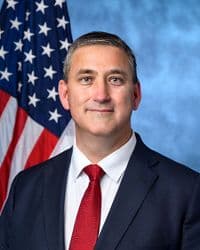
Nathaniel Moran
Republican Representative
Texas
Ways and Means Committee
- Introduced
- In Committee
- On Floor
- Passed Chamber
- Enacted
This bill amends the Internal Revenue Code of 1986 to impose new liabilities on 501(c)(3) organizations acting as fiscal sponsors. Specifically, if a 501(c)(3) organization expends funds for a fiscal sponsorship and a tax deduction is allowed for contributions, that organization will bear criminal and civil liability for certain "covered activities" related to the sponsorship. A fiscal sponsorship is defined as a relationship where a 501(c)(3) receives and administers funds for a non-tax-exempt project, retaining discretion and control over those funds. The bill defines "covered activities" to include aiding and abetting international terrorism by a designated foreign terrorist organization, intentionally interfering with constitutional rights using force, or intentionally blocking interstate commerce with force. A 501(c)(3) organization is presumed responsible for ensuring that funds used under any fiscal sponsorship comply with applicable laws and regulations. However, the bill also provides that organizations can assert defenses based on the exercise of due diligence and reasonable oversight .
View Full TextSuggested Questions
Get AI-generated questions to help you understand this bill better
Timeline
Introduced in House
Referred to the House Committee on Ways and Means.
SPONSOR Act
USA119th CongressHR-7799| House
| Updated: 3/4/2026
This bill amends the Internal Revenue Code of 1986 to impose new liabilities on 501(c)(3) organizations acting as fiscal sponsors. Specifically, if a 501(c)(3) organization expends funds for a fiscal sponsorship and a tax deduction is allowed for contributions, that organization will bear criminal and civil liability for certain "covered activities" related to the sponsorship. A fiscal sponsorship is defined as a relationship where a 501(c)(3) receives and administers funds for a non-tax-exempt project, retaining discretion and control over those funds. The bill defines "covered activities" to include aiding and abetting international terrorism by a designated foreign terrorist organization, intentionally interfering with constitutional rights using force, or intentionally blocking interstate commerce with force. A 501(c)(3) organization is presumed responsible for ensuring that funds used under any fiscal sponsorship comply with applicable laws and regulations. However, the bill also provides that organizations can assert defenses based on the exercise of due diligence and reasonable oversight .
View Full TextSuggested Questions
Get AI-generated questions to help you understand this bill better
Timeline
Introduced in House
Referred to the House Committee on Ways and Means.
Nathaniel Moran
Republican Representative
Texas
Ways and Means Committee
Related Bills
- Introduced
- In Committee
- On Floor
- Passed Chamber
- Enacted