Federal Loan Systems Modernization Act of 2026
USA119th CongressHR-7789| House
| Updated: 3/4/2026
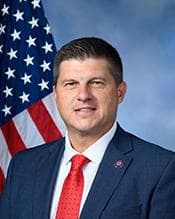
Brad Finstad
Republican Representative
Minnesota
Cosponsors (1)
Oversight and Government Reform Committee
- Introduced
- In Committee
- On Floor
- Passed Chamber
- Enacted
This legislation, known as the Federal Loan Systems Modernization Act of 2026, aims to address inefficiencies in Federal lending by establishing a centralized shared services platform called "Lending.gov." Its primary purposes include reducing costs, preventing fraud, increasing the speed of loan origination, improving transparency, and enhancing access and customer experience for Federal loan programs. The General Services Administration (GSA) Administrator is tasked with developing a plan within six months to establish this platform, which will utilize commercially available loan management technology. This plan will designate a lead agency as the initial provider, review Federal loan programs for integration, and outline the operational framework and implementation timeline. The designated Provider will be responsible for operating, maintaining, and continuously improving the Platform, ensuring compliance with cybersecurity and privacy standards, and integrating commercial tools for various loan management activities like application intake, underwriting, and fraud detection. A key performance standard for the Platform will be program manager satisfaction , assessed through annual surveys with remediation plans for identified deficiencies. Agencies administering Federal loan programs will be required to migrate their loan management systems to Lending.gov within three years of the bill's enactment, with specific criteria for inclusion and provisions for exceptions granted by the Director of the Office of Management and Budget (OMB). The GSA Administrator will provide ongoing oversight of this migration and the Platform's management, including establishing Government-wide standards for loan management. Financing for the Platform's operations will come from reimbursements by customer agencies and a potential remittance fee, not exceeding 0.25 percent of the loan's face value, collected on Federal loans serviced through the platform. This fee will be held in a dedicated fund for the Platform's ongoing operations and maintenance, with specific limitations on its assessment for direct loans to individual borrowers.
View Full TextSuggested Questions
Get AI-generated questions to help you understand this bill better
Timeline
Introduced in House
Referred to the House Committee on Oversight and Government Reform.
Federal Loan Systems Modernization Act of 2026
USA119th CongressHR-7789| House
| Updated: 3/4/2026
This legislation, known as the Federal Loan Systems Modernization Act of 2026, aims to address inefficiencies in Federal lending by establishing a centralized shared services platform called "Lending.gov." Its primary purposes include reducing costs, preventing fraud, increasing the speed of loan origination, improving transparency, and enhancing access and customer experience for Federal loan programs. The General Services Administration (GSA) Administrator is tasked with developing a plan within six months to establish this platform, which will utilize commercially available loan management technology. This plan will designate a lead agency as the initial provider, review Federal loan programs for integration, and outline the operational framework and implementation timeline. The designated Provider will be responsible for operating, maintaining, and continuously improving the Platform, ensuring compliance with cybersecurity and privacy standards, and integrating commercial tools for various loan management activities like application intake, underwriting, and fraud detection. A key performance standard for the Platform will be program manager satisfaction , assessed through annual surveys with remediation plans for identified deficiencies. Agencies administering Federal loan programs will be required to migrate their loan management systems to Lending.gov within three years of the bill's enactment, with specific criteria for inclusion and provisions for exceptions granted by the Director of the Office of Management and Budget (OMB). The GSA Administrator will provide ongoing oversight of this migration and the Platform's management, including establishing Government-wide standards for loan management. Financing for the Platform's operations will come from reimbursements by customer agencies and a potential remittance fee, not exceeding 0.25 percent of the loan's face value, collected on Federal loans serviced through the platform. This fee will be held in a dedicated fund for the Platform's ongoing operations and maintenance, with specific limitations on its assessment for direct loans to individual borrowers.
View Full TextSuggested Questions
Get AI-generated questions to help you understand this bill better
Timeline
Introduced in House
Referred to the House Committee on Oversight and Government Reform.
Brad Finstad
Republican Representative
Minnesota
Cosponsors (1)
Oversight and Government Reform Committee
- Introduced
- In Committee
- On Floor
- Passed Chamber
- Enacted