The Dalilah Law
USA119th CongressHR-7758| House
| Updated: 3/4/2026
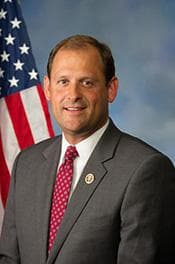
Andy Barr
Republican Representative
Kentucky
Cosponsors (8)
Transportation and Infrastructure Committee, Highways and Transit Subcommittee
- Introduced
- In Committee
- On Floor
- Passed Chamber
- Enacted
This legislation, known as "The Dalilah Law," aims to significantly restrict who can obtain and hold a commercial driver's license (CDL) in the United States. Its primary objective is to ensure that only U.S. citizens, lawful permanent residents, or individuals holding specific work visas (E-2, H-2A, or H-2B) are eligible to operate commercial motor vehicles. The bill amends existing federal law to explicitly prohibit states from issuing CDLs to individuals who do not meet these strict immigration status requirements. Furthermore, the bill mandates a comprehensive recertification process for all current CDL holders within 180 days of its enactment. During this period, states must verify that each individual is either a citizen, a lawful permanent resident, or possesses one of the specified valid work visas. Additionally, recertification requires confirmation of English language proficiency and that all necessary examinations for the CDL were passed in English. States are required to revoke the CDLs of individuals who fail to complete this recertification process by the deadline or who are found not to meet the new eligibility criteria. Non-compliance by states carries severe financial penalties, as the Secretary of Transportation is directed to withhold all federal "covered funding" from any state that fails to implement these recertification and revocation mandates, or that issues new CDLs to ineligible individuals or administers exams in languages other than English.
View Full TextSuggested Questions
Get AI-generated questions to help you understand this bill better
Timeline
Introduced in House
Referred to the House Committee on Transportation and Infrastructure.
Referred to the Subcommittee on Highways and Transit.
Immigration
The Dalilah Law
USA119th CongressHR-7758| House
| Updated: 3/4/2026
This legislation, known as "The Dalilah Law," aims to significantly restrict who can obtain and hold a commercial driver's license (CDL) in the United States. Its primary objective is to ensure that only U.S. citizens, lawful permanent residents, or individuals holding specific work visas (E-2, H-2A, or H-2B) are eligible to operate commercial motor vehicles. The bill amends existing federal law to explicitly prohibit states from issuing CDLs to individuals who do not meet these strict immigration status requirements. Furthermore, the bill mandates a comprehensive recertification process for all current CDL holders within 180 days of its enactment. During this period, states must verify that each individual is either a citizen, a lawful permanent resident, or possesses one of the specified valid work visas. Additionally, recertification requires confirmation of English language proficiency and that all necessary examinations for the CDL were passed in English. States are required to revoke the CDLs of individuals who fail to complete this recertification process by the deadline or who are found not to meet the new eligibility criteria. Non-compliance by states carries severe financial penalties, as the Secretary of Transportation is directed to withhold all federal "covered funding" from any state that fails to implement these recertification and revocation mandates, or that issues new CDLs to ineligible individuals or administers exams in languages other than English.
View Full TextSuggested Questions
Get AI-generated questions to help you understand this bill better
Timeline
Introduced in House
Referred to the House Committee on Transportation and Infrastructure.
Referred to the Subcommittee on Highways and Transit.
Andy Barr
Republican Representative
Kentucky
Cosponsors (8)
Transportation and Infrastructure Committee, Highways and Transit Subcommittee
Immigration
- Introduced
- In Committee
- On Floor
- Passed Chamber
- Enacted