HITS Act
USA119th CongressHR-761| House
| Updated: 1/28/2025
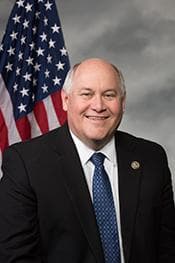
Ron Estes
Republican Representative
Kansas
Cosponsors (7)
Ways and Means Committee
- Introduced
- In Committee
- On Floor
- Passed Chamber
- Enacted
This bill proposes to amend the Internal Revenue Code of 1986, specifically Section 181, to allow an election for expensing certain qualified sound recording costs. This means that businesses can treat these costs as immediate expenses for tax purposes, rather than capitalizing and depreciating them over time. The legislation extends this beneficial tax treatment, previously available for qualified film, television, and live theatrical productions, to now include **qualified sound recording productions**. A key provision introduces a **dollar limitation**, stipulating that the expensing election will not apply to aggregate costs exceeding $150,000 for any single qualified sound recording production or for all such productions in a taxable year. The bill defines a **qualified sound recording production** as a sound recording, as defined in title 17 of the U.S. Code, that is both produced and recorded within the United States. Furthermore, it makes conforming amendments to **bonus depreciation** rules, treating these productions as qualified property and considering them "placed in service" at the time of initial release or broadcast, with these changes applying to productions commencing in taxable years ending after the Act's enactment.
View Full TextSuggested Questions
Get AI-generated questions to help you understand this bill better
Timeline
Introduced in House
Referred to the House Committee on Ways and Means.
Taxation
HITS Act
USA119th CongressHR-761| House
| Updated: 1/28/2025
This bill proposes to amend the Internal Revenue Code of 1986, specifically Section 181, to allow an election for expensing certain qualified sound recording costs. This means that businesses can treat these costs as immediate expenses for tax purposes, rather than capitalizing and depreciating them over time. The legislation extends this beneficial tax treatment, previously available for qualified film, television, and live theatrical productions, to now include **qualified sound recording productions**. A key provision introduces a **dollar limitation**, stipulating that the expensing election will not apply to aggregate costs exceeding $150,000 for any single qualified sound recording production or for all such productions in a taxable year. The bill defines a **qualified sound recording production** as a sound recording, as defined in title 17 of the U.S. Code, that is both produced and recorded within the United States. Furthermore, it makes conforming amendments to **bonus depreciation** rules, treating these productions as qualified property and considering them "placed in service" at the time of initial release or broadcast, with these changes applying to productions commencing in taxable years ending after the Act's enactment.
View Full TextSuggested Questions
Get AI-generated questions to help you understand this bill better
Timeline
Introduced in House
Referred to the House Committee on Ways and Means.
Ron Estes
Republican Representative
Kansas
Cosponsors (7)
Ways and Means Committee
Taxation
Related Bills
- Introduced
- In Committee
- On Floor
- Passed Chamber
- Enacted