Healthy Families Act
USA119th CongressHR-7531| House
| Updated: 2/12/2026
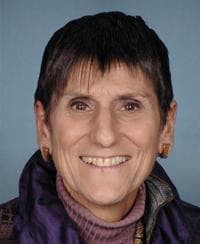
Rosa L. DeLauro
Democratic Representative
Connecticut
Cosponsors (156)
John W. Mannion (Democratic)Dwight Evans (Democratic)Kim Schrier (Democratic)April McClain Delaney (Democratic)Donald Norcross (Democratic)Nikema Williams (Democratic)Yassamin Ansari (Democratic)Marcy Kaptur (Democratic)Becca Balint (Democratic)Laura Friedman (Democratic)John Garamendi (Democratic)Jonathan L. Jackson (Democratic)Kelly Morrison (Democratic)Gabe Amo (Democratic)Robin L. Kelly (Democratic)Julie Johnson (Democratic)Ritchie Torres (Democratic)Robert Garcia (Democratic)Mark Pocan (Democratic)Robert Menendez (Democratic)Analilia Mejia (Democratic)Joyce Beatty (Democratic)Jennifer L. McClellan (Democratic)Christopher R. Deluzio (Democratic)Emanuel Cleaver (Democratic)Chrissy Houlahan (Democratic)Darren Soto (Democratic)Raul Ruiz (Democratic)Bill Foster (Democratic)Joe Courtney (Democratic)Ilhan Omar (Democratic)Shontel M. Brown (Democratic)Greg Landsman (Democratic)Frederica S. Wilson (Democratic)Juan Vargas (Democratic)James R. Walkinshaw (Democratic)Eugene Simon Vindman (Democratic)Steven Horsford (Democratic)Jimmy Panetta (Democratic)Maxine Dexter (Democratic)Dina Titus (Democratic)Maxwell Frost (Democratic)Debbie Dingell (Democratic)Madeleine Dean (Democratic)Melanie A. Stansbury (Democratic)Steve Cohen (Democratic)Suzan K. DelBene (Democratic)Sarah Elfreth (Democratic)Andrea Salinas (Democratic)Paul Tonko (Democratic)Angie Craig (Democratic)Delia C. Ramirez (Democratic)Janelle S. Bynum (Democratic)Greg Casar (Democratic)Haley M. Stevens (Democratic)Christian D. Menefee (Democratic)Dave Min (Democratic)Shri Thanedar (Democratic)Frank J. Mrvan (Democratic)Danny K. Davis (Democratic)Ted Lieu (Democratic)Ro Khanna (Democratic)Greg Stanton (Democratic)George Latimer (Democratic)Jasmine Crockett (Democratic)Henry C. "Hank" Johnson (Democratic)Sheila Cherfilus-McCormick (Democratic)Nikki Budzinski (Democratic)André Carson (Democratic)Brendan F. Boyle (Democratic)John B. Larson (Democratic)Joaquin Castro (Democratic)Stephen F. Lynch (Democratic)Mark DeSaulnier (Democratic)Jill N. Tokuda (Democratic)Joseph D. Morelle (Democratic)Glenn Ivey (Democratic)Doris O. Matsui (Democratic)Sara Jacobs (Democratic)Marilyn Strickland (Democratic)Daniel S. Goldman (Democratic)Jahana Hayes (Democratic)Morgan McGarvey (Democratic)Raja Krishnamoorthi (Democratic)James A. Himes (Democratic)Jerrold Nadler (Democratic)LaMonica McIver (Democratic)Adelita S. Grijalva (Democratic)Alma S. Adams (Democratic)Mark Takano (Democratic)Lucy McBath (Democratic)Pramila Jayapal (Democratic)Kathy Castor (Democratic)Betty McCollum (Democratic)Eleanor Holmes Norton (Democratic)Val T. Hoyle (Democratic)Sharice Davids (Democratic)Brad Sherman (Democratic)Bonnie Watson Coleman (Democratic)Nellie Pou (Democratic)Mary Gay Scanlon (Democratic)Wesley Bell (Democratic)Lateefah Simon (Democratic)Timothy M. Kennedy (Democratic)Salud O. Carbajal (Democratic)Josh Riley (Democratic)Jamie Raskin (Democratic)Joe Neguse (Democratic)Mike Quigley (Democratic)Lois Frankel (Democratic)Donald S. Beyer (Democratic)Sean Casten (Democratic)Diana DeGette (Democratic)Janice D. Schakowsky (Democratic)James P. McGovern (Democratic)Maxine Waters (Democratic)Summer L. Lee (Democratic)Adam Smith (Democratic)Julia Brownley (Democratic)William R. Keating (Democratic)Johnny Olszewski (Democratic)Seth Magaziner (Democratic)Sarah McBride (Democratic)Yvette D. Clarke (Democratic)Rick Larsen (Democratic)Bennie G. Thompson (Democratic)Deborah K. Ross (Democratic)Lori Trahan (Democratic)Seth Moulton (Democratic)Mike Thompson (Democratic)Suzanne Bonamici (Democratic)Jared Moskowitz (Democratic)Nancy Pelosi (Democratic)Luz M. Rivas (Democratic)Josh Gottheimer (Democratic)Linda T. Sánchez (Democratic)Emily Randall (Democratic)Zoe Lofgren (Democratic)Nanette Diaz Barragán (Democratic)Kevin Mullin (Democratic)Teresa Leger Fernandez (Democratic)George Whitesides (Democratic)Frank Pallone (Democratic)Gwen Moore (Democratic)Jimmy Gomez (Democratic)Grace Meng (Democratic)Valerie P. Foushee (Democratic)Rashida Tlaib (Democratic)Kweisi Mfume (Democratic)Ayanna Pressley (Democratic)Veronica Escobar (Democratic)Lloyd Doggett (Democratic)Debbie Wasserman Schultz (Democratic)Lauren Underwood (Democratic)Chellie Pingree (Democratic)Judy Chu (Democratic)
Committee on House Administration, Education and Workforce Committee, Oversight and Government Reform Committee
- Introduced
- In Committee
- On Floor
- Passed Chamber
- Enacted
The "Healthy Families Act" aims to ensure that American workers can earn paid sick time to address personal and family health needs, as well as issues arising from domestic violence, sexual assault, or stalking. This legislation establishes a nationwide standard, requiring most employers to provide paid sick time to their employees. It defines a broad range of individuals considered family members for whom an employee can use this leave, including children, parents, spouses, domestic partners, and others with close familial relationships. Under the Act, employees would accrue at least one hour of paid sick time for every 30 hours worked , with a maximum accrual of 56 hours in a year, unless an employer sets a higher limit. Employees can begin using earned sick time 60 calendar days after commencing employment, and unused time carries over from year to year. Employers with existing paid leave policies that meet or exceed these requirements are not obligated to provide additional sick time. Paid sick time can be used for an employee's own physical or mental illness, injury, medical condition, or for obtaining medical diagnosis, care, or preventive care. It also covers absences to care for a family member experiencing similar health issues, attending school or care-related meetings, or when a family member needs care because their usual caregiver is unavailable due to illness. Crucially, the bill allows for paid sick time to be used in situations involving domestic violence, sexual assault, or stalking . This includes seeking medical attention, obtaining services from a victim services organization, receiving counseling, seeking relocation, or taking legal action related to these circumstances for the employee or a covered family member. Employers are prohibited from interfering with an employee's right to use paid sick time, including discharging or discriminating against them for exercising these rights. They cannot use sick time as a negative factor in employment decisions or count it under no-fault attendance policies. For absences exceeding three consecutive workdays, employers may require certification from a health care provider or specific documentation for domestic violence-related leave, while ensuring confidentiality of sensitive information. The Act mandates that employers notify employees of their rights under the law, including how to file a complaint, and post a notice in conspicuous places. The Secretary of Labor is responsible for enforcing these provisions, with employees having the right to bring civil actions against employers for violations. The bill also ensures that it does not supersede any state or local laws that offer more generous paid sick time benefits, nor does it diminish existing employment benefits that provide greater leave rights.
View Full TextSuggested Questions
Get AI-generated questions to help you understand this bill better
Timeline
Introduced in House
Referred to the Committee on Education and Workforce, and in addition to the Committees on House Administration, and Oversight and Government Reform, for a period to be subsequently determined by the Speaker, in each case for consideration of such provisions as fall within the jurisdiction of the committee concerned.
Labor and Employment
Healthy Families Act
USA119th CongressHR-7531| House
| Updated: 2/12/2026
The "Healthy Families Act" aims to ensure that American workers can earn paid sick time to address personal and family health needs, as well as issues arising from domestic violence, sexual assault, or stalking. This legislation establishes a nationwide standard, requiring most employers to provide paid sick time to their employees. It defines a broad range of individuals considered family members for whom an employee can use this leave, including children, parents, spouses, domestic partners, and others with close familial relationships. Under the Act, employees would accrue at least one hour of paid sick time for every 30 hours worked , with a maximum accrual of 56 hours in a year, unless an employer sets a higher limit. Employees can begin using earned sick time 60 calendar days after commencing employment, and unused time carries over from year to year. Employers with existing paid leave policies that meet or exceed these requirements are not obligated to provide additional sick time. Paid sick time can be used for an employee's own physical or mental illness, injury, medical condition, or for obtaining medical diagnosis, care, or preventive care. It also covers absences to care for a family member experiencing similar health issues, attending school or care-related meetings, or when a family member needs care because their usual caregiver is unavailable due to illness. Crucially, the bill allows for paid sick time to be used in situations involving domestic violence, sexual assault, or stalking . This includes seeking medical attention, obtaining services from a victim services organization, receiving counseling, seeking relocation, or taking legal action related to these circumstances for the employee or a covered family member. Employers are prohibited from interfering with an employee's right to use paid sick time, including discharging or discriminating against them for exercising these rights. They cannot use sick time as a negative factor in employment decisions or count it under no-fault attendance policies. For absences exceeding three consecutive workdays, employers may require certification from a health care provider or specific documentation for domestic violence-related leave, while ensuring confidentiality of sensitive information. The Act mandates that employers notify employees of their rights under the law, including how to file a complaint, and post a notice in conspicuous places. The Secretary of Labor is responsible for enforcing these provisions, with employees having the right to bring civil actions against employers for violations. The bill also ensures that it does not supersede any state or local laws that offer more generous paid sick time benefits, nor does it diminish existing employment benefits that provide greater leave rights.
View Full TextSuggested Questions
Get AI-generated questions to help you understand this bill better
Timeline
Introduced in House
Referred to the Committee on Education and Workforce, and in addition to the Committees on House Administration, and Oversight and Government Reform, for a period to be subsequently determined by the Speaker, in each case for consideration of such provisions as fall within the jurisdiction of the committee concerned.
Rosa L. DeLauro
Democratic Representative
Connecticut
Cosponsors (156)
John W. Mannion (Democratic)Dwight Evans (Democratic)Kim Schrier (Democratic)April McClain Delaney (Democratic)Donald Norcross (Democratic)Nikema Williams (Democratic)Yassamin Ansari (Democratic)Marcy Kaptur (Democratic)Becca Balint (Democratic)Laura Friedman (Democratic)John Garamendi (Democratic)Jonathan L. Jackson (Democratic)Kelly Morrison (Democratic)Gabe Amo (Democratic)Robin L. Kelly (Democratic)Julie Johnson (Democratic)Ritchie Torres (Democratic)Robert Garcia (Democratic)Mark Pocan (Democratic)Robert Menendez (Democratic)Analilia Mejia (Democratic)Joyce Beatty (Democratic)Jennifer L. McClellan (Democratic)Christopher R. Deluzio (Democratic)Emanuel Cleaver (Democratic)Chrissy Houlahan (Democratic)Darren Soto (Democratic)Raul Ruiz (Democratic)Bill Foster (Democratic)Joe Courtney (Democratic)Ilhan Omar (Democratic)Shontel M. Brown (Democratic)Greg Landsman (Democratic)Frederica S. Wilson (Democratic)Juan Vargas (Democratic)James R. Walkinshaw (Democratic)Eugene Simon Vindman (Democratic)Steven Horsford (Democratic)Jimmy Panetta (Democratic)Maxine Dexter (Democratic)Dina Titus (Democratic)Maxwell Frost (Democratic)Debbie Dingell (Democratic)Madeleine Dean (Democratic)Melanie A. Stansbury (Democratic)Steve Cohen (Democratic)Suzan K. DelBene (Democratic)Sarah Elfreth (Democratic)Andrea Salinas (Democratic)Paul Tonko (Democratic)Angie Craig (Democratic)Delia C. Ramirez (Democratic)Janelle S. Bynum (Democratic)Greg Casar (Democratic)Haley M. Stevens (Democratic)Christian D. Menefee (Democratic)Dave Min (Democratic)Shri Thanedar (Democratic)Frank J. Mrvan (Democratic)Danny K. Davis (Democratic)Ted Lieu (Democratic)Ro Khanna (Democratic)Greg Stanton (Democratic)George Latimer (Democratic)Jasmine Crockett (Democratic)Henry C. "Hank" Johnson (Democratic)Sheila Cherfilus-McCormick (Democratic)Nikki Budzinski (Democratic)André Carson (Democratic)Brendan F. Boyle (Democratic)John B. Larson (Democratic)Joaquin Castro (Democratic)Stephen F. Lynch (Democratic)Mark DeSaulnier (Democratic)Jill N. Tokuda (Democratic)Joseph D. Morelle (Democratic)Glenn Ivey (Democratic)Doris O. Matsui (Democratic)Sara Jacobs (Democratic)Marilyn Strickland (Democratic)Daniel S. Goldman (Democratic)Jahana Hayes (Democratic)Morgan McGarvey (Democratic)Raja Krishnamoorthi (Democratic)James A. Himes (Democratic)Jerrold Nadler (Democratic)LaMonica McIver (Democratic)Adelita S. Grijalva (Democratic)Alma S. Adams (Democratic)Mark Takano (Democratic)Lucy McBath (Democratic)Pramila Jayapal (Democratic)Kathy Castor (Democratic)Betty McCollum (Democratic)Eleanor Holmes Norton (Democratic)Val T. Hoyle (Democratic)Sharice Davids (Democratic)Brad Sherman (Democratic)Bonnie Watson Coleman (Democratic)Nellie Pou (Democratic)Mary Gay Scanlon (Democratic)Wesley Bell (Democratic)Lateefah Simon (Democratic)Timothy M. Kennedy (Democratic)Salud O. Carbajal (Democratic)Josh Riley (Democratic)Jamie Raskin (Democratic)Joe Neguse (Democratic)Mike Quigley (Democratic)Lois Frankel (Democratic)Donald S. Beyer (Democratic)Sean Casten (Democratic)Diana DeGette (Democratic)Janice D. Schakowsky (Democratic)James P. McGovern (Democratic)Maxine Waters (Democratic)Summer L. Lee (Democratic)Adam Smith (Democratic)Julia Brownley (Democratic)William R. Keating (Democratic)Johnny Olszewski (Democratic)Seth Magaziner (Democratic)Sarah McBride (Democratic)Yvette D. Clarke (Democratic)Rick Larsen (Democratic)Bennie G. Thompson (Democratic)Deborah K. Ross (Democratic)Lori Trahan (Democratic)Seth Moulton (Democratic)Mike Thompson (Democratic)Suzanne Bonamici (Democratic)Jared Moskowitz (Democratic)Nancy Pelosi (Democratic)Luz M. Rivas (Democratic)Josh Gottheimer (Democratic)Linda T. Sánchez (Democratic)Emily Randall (Democratic)Zoe Lofgren (Democratic)Nanette Diaz Barragán (Democratic)Kevin Mullin (Democratic)Teresa Leger Fernandez (Democratic)George Whitesides (Democratic)Frank Pallone (Democratic)Gwen Moore (Democratic)Jimmy Gomez (Democratic)Grace Meng (Democratic)Valerie P. Foushee (Democratic)Rashida Tlaib (Democratic)Kweisi Mfume (Democratic)Ayanna Pressley (Democratic)Veronica Escobar (Democratic)Lloyd Doggett (Democratic)Debbie Wasserman Schultz (Democratic)Lauren Underwood (Democratic)Chellie Pingree (Democratic)Judy Chu (Democratic)
Committee on House Administration, Education and Workforce Committee, Oversight and Government Reform Committee
Labor and Employment
Related Bills
- Introduced
- In Committee
- On Floor
- Passed Chamber
- Enacted