Tribal Warrant Fairness Act
USA119th CongressHR-7490| House
| Updated: 2/11/2026
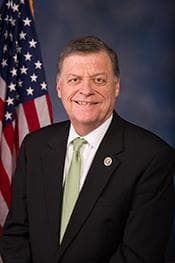
Tom Cole
Republican Representative
Oklahoma
Cosponsors (4)
Judiciary Committee
- Introduced
- In Committee
- On Floor
- Passed Chamber
- Enacted
This legislation, known as the Tribal Warrant Fairness Act , expands the authority of federal agencies to assist Indian Tribes in law enforcement and threat protection matters. It amends Title 28 of the U.S. Code to allow the U.S. Marshals Service to provide assistance in Tribal fugitive matters when requested by an Indian Tribe, thereby integrating Tribal cases into their operational scope. Additionally, the bill modifies the Presidential Threat Protection Act of 2000 to explicitly include Indian Tribes and Tribal law within the purview of the National Threat Assessment Center's activities. This ensures that threat assessment and protective intelligence services are extended to Tribal governments, enhancing their capacity to address threats and enforce their own laws. The overall intent is to foster greater intergovernmental cooperation and improve public safety for Tribal communities.
Suggested Questions
Get AI-generated questions to help you understand this bill better
Timeline
Introduced in House
Referred to the House Committee on the Judiciary.
Native Americans
Tribal Warrant Fairness Act
USA119th CongressHR-7490| House
| Updated: 2/11/2026
This legislation, known as the Tribal Warrant Fairness Act , expands the authority of federal agencies to assist Indian Tribes in law enforcement and threat protection matters. It amends Title 28 of the U.S. Code to allow the U.S. Marshals Service to provide assistance in Tribal fugitive matters when requested by an Indian Tribe, thereby integrating Tribal cases into their operational scope. Additionally, the bill modifies the Presidential Threat Protection Act of 2000 to explicitly include Indian Tribes and Tribal law within the purview of the National Threat Assessment Center's activities. This ensures that threat assessment and protective intelligence services are extended to Tribal governments, enhancing their capacity to address threats and enforce their own laws. The overall intent is to foster greater intergovernmental cooperation and improve public safety for Tribal communities.
Suggested Questions
Get AI-generated questions to help you understand this bill better
Timeline
Introduced in House
Referred to the House Committee on the Judiciary.
Tom Cole
Republican Representative
Oklahoma
Cosponsors (4)
Judiciary Committee
Native Americans
Related Bills
- Introduced
- In Committee
- On Floor
- Passed Chamber
- Enacted