Universal Right To Vote by Mail Act of 2025
USA119th CongressHR-738| House
| Updated: 1/24/2025
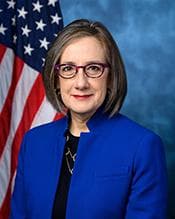
Andrea Salinas
Democratic Representative
Oregon
Cosponsors (18)
Dwight Evans (Democratic)Shomari Figures (Democratic)Mark Pocan (Democratic)Analilia Mejia (Democratic)Emanuel Cleaver (Democratic)David Scott (Democratic)Juan Vargas (Democratic)Maxine Dexter (Democratic)Debbie Dingell (Democratic)Henry C. "Hank" Johnson (Democratic)André Carson (Democratic)Alma S. Adams (Democratic)Eleanor Holmes Norton (Democratic)Wesley Bell (Democratic)Lateefah Simon (Democratic)Seth Moulton (Democratic)Kevin Mullin (Democratic)Rashida Tlaib (Democratic)
Committee on House Administration
- Introduced
- In Committee
- On Floor
- Passed Chamber
- Enacted
This bill amends the Help America Vote Act of 2002 to establish a nationwide standard for voting in Federal elections. Its primary purpose is to ensure that all eligible voters have the option to cast their ballots by mail , preventing states from imposing additional conditions or requirements on mail-in ballot eligibility, except for reasonable deadlines for requesting and returning ballots. This aims to address existing inequities where some states allow universal vote-by-mail while others do not, and to make voting more accessible for individuals with work, family, or other commitments. A significant provision of the bill mandates that states implement a process for voters to cure discrepancies or defects on their mail-in ballots . If an election official identifies a signature discrepancy or another defect that would invalidate a ballot, they must make a good faith effort to notify the voter by mail, telephone, text message, and email within one business day. The voter then has until the third day following the ballot receipt deadline to provide information to cure the discrepancy or defect, ensuring their ballot is counted. The legislation clarifies that it does not affect the authority of states to conduct in-person voting at polling places on Election Day, ensuring traditional voting methods remain available. This measure is intended to increase voter participation and reduce waiting times at polls, based on findings that show no increased fraud risk with absentee voting. The requirements outlined in this bill will be applicable to all Federal elections held in years beginning with 2026 .
Suggested Questions
Get AI-generated questions to help you understand this bill better
Timeline
Introduced in House
Referred to the House Committee on House Administration.
Government Operations and Politics
Elections, voting, political campaign regulationPostal serviceState and local government operationsVoting rights
Universal Right To Vote by Mail Act of 2025
USA119th CongressHR-738| House
| Updated: 1/24/2025
This bill amends the Help America Vote Act of 2002 to establish a nationwide standard for voting in Federal elections. Its primary purpose is to ensure that all eligible voters have the option to cast their ballots by mail , preventing states from imposing additional conditions or requirements on mail-in ballot eligibility, except for reasonable deadlines for requesting and returning ballots. This aims to address existing inequities where some states allow universal vote-by-mail while others do not, and to make voting more accessible for individuals with work, family, or other commitments. A significant provision of the bill mandates that states implement a process for voters to cure discrepancies or defects on their mail-in ballots . If an election official identifies a signature discrepancy or another defect that would invalidate a ballot, they must make a good faith effort to notify the voter by mail, telephone, text message, and email within one business day. The voter then has until the third day following the ballot receipt deadline to provide information to cure the discrepancy or defect, ensuring their ballot is counted. The legislation clarifies that it does not affect the authority of states to conduct in-person voting at polling places on Election Day, ensuring traditional voting methods remain available. This measure is intended to increase voter participation and reduce waiting times at polls, based on findings that show no increased fraud risk with absentee voting. The requirements outlined in this bill will be applicable to all Federal elections held in years beginning with 2026 .
Suggested Questions
Get AI-generated questions to help you understand this bill better
Timeline
Introduced in House
Referred to the House Committee on House Administration.
Andrea Salinas
Democratic Representative
Oregon
Cosponsors (18)
Dwight Evans (Democratic)Shomari Figures (Democratic)Mark Pocan (Democratic)Analilia Mejia (Democratic)Emanuel Cleaver (Democratic)David Scott (Democratic)Juan Vargas (Democratic)Maxine Dexter (Democratic)Debbie Dingell (Democratic)Henry C. "Hank" Johnson (Democratic)André Carson (Democratic)Alma S. Adams (Democratic)Eleanor Holmes Norton (Democratic)Wesley Bell (Democratic)Lateefah Simon (Democratic)Seth Moulton (Democratic)Kevin Mullin (Democratic)Rashida Tlaib (Democratic)
Committee on House Administration
Government Operations and Politics
- Introduced
- In Committee
- On Floor
- Passed Chamber
- Enacted
Elections, voting, political campaign regulationPostal serviceState and local government operationsVoting rights