Make Elections Great Again Act
USA119th CongressHR-7300| House
| Updated: 2/2/2026
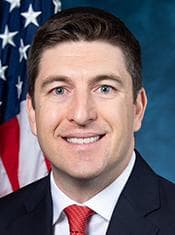
Bryan Steil
Republican Representative
Wisconsin
Cosponsors (70)
Sheri Biggs (Republican)Dusty Johnson (Republican)Diana Harshbarger (Republican)Adrian Smith (Republican)David Kustoff (Republican)Gregory F. Murphy (Republican)David J. Taylor (Republican)Scott Franklin (Republican)Rick W. Allen (Republican)Mark Alford (Republican)Thomas P. Tiffany (Republican)Lance Gooden (Republican)Mike Collins (Republican)Vince Fong (Republican)Mike Ezell (Republican)Mike Carey (Republican)Stephanie I. Bice (Republican)Claudia Tenney (Republican)Mariannette Miller-Meeks (Republican)Aaron Bean (Republican)Young Kim (Republican)William R. Timmons (Republican)Pete Sessions (Republican)David Rouzer (Republican)Tim Walberg (Republican)Ken Calvert (Republican)Michael A. Rulli (Republican)Gus M. Bilirakis (Republican)Jefferson Shreve (Republican)Jake Ellzey (Republican)Roger Williams (Republican)Brad Finstad (Republican)Tony Wied (Republican)Glenn Grothman (Republican)Nicholas A. Langworthy (Republican)John R. Moolenaar (Republican)Mark B. Messmer (Republican)Scott Fitzgerald (Republican)August Pfluger (Republican)Lauren Boebert (Republican)Nicholas J. Begich (Republican)Byron Donalds (Republican)Pat Harrigan (Republican)Mary E. Miller (Republican)Tony Gonzales (Republican)Abraham J. Hamadeh (Republican)Mike Bost (Republican)Russell Fry (Republican)Scott DesJarlais (Republican)Pete Stauber (Republican)John W. Rose (Republican)Derrick Van Orden (Republican)Tom Emmer (Republican)Max L. Miller (Republican)John J. McGuire (Republican)Kevin Hern (Republican)Tom Barrett (Republican)Chuck Edwards (Republican)Virginia Foxx (Republican)Ralph Norman (Republican)Robert P. Bresnahan (Republican)Erin Houchin (Republican)Jimmy Patronis (Republican)Tracey Mann (Republican)Ryan Mackenzie (Republican)Jennifer A. Kiggans (Republican)Brian Babin (Republican)Tim Moore (Republican)Craig A. Goldman (Republican)Eric Burlison (Republican)
Committees (8)
• Oversight, Investigations, and Accountability Subcommittee• Committee on House Administration• Homeland Security Committee• Border Security and Enforcement Subcommittee• Cybersecurity and Infrastructure Protection Subcommittee• Judiciary Committee• Intelligence (Permanent Select) Committee• Oversight and Government Reform Committee
- Introduced
- In Committee
- On Floor
- Passed Chamber
- Enacted
The "Make Elections Great Again Act" seeks to significantly reform federal election administration and integrity. It mandates that voters present a valid physical photo identification for in-person voting, with provisions for provisional ballots if ID is not immediately available. For non-in-person voting, a copy of a photo ID or the last four digits of a Social Security number with an affidavit is required, though exceptions exist for absent uniformed services voters and certain disabled individuals. States are also required to provide free access to digital imaging devices for copying identification. A central tenet of the bill is the requirement for documentary proof of United States citizenship for all voter registration applicants. This involves states entering into data-matching agreements with motor vehicle authorities, the Social Security Administration, the Attorney General, and the Department of Homeland Security to verify eligibility and citizenship status. Federal agencies are mandated to provide citizenship verification information to state election officials promptly and without charge. The Secretary of Homeland Security must investigate aliens unlawfully registered to vote. The legislation repeals existing voter registration requirements from the National Voter Registration Act and the Help America Vote Act, replacing them with new, more stringent rules. States must implement a single, uniform, computerized statewide voter registration list , updated at least every 30 days, to remove ineligible voters due to reasons such as death, criminal conviction, change of residence, or noncitizenship. The bill also introduces criminal penalties for assisting non-citizens in attempting to register or vote. Regarding ballot procedures, the bill abolishes universal vote by mail, requiring voters to specifically request mail-in ballots using a standardized form at least 30 days before an election. It also imposes a strict limitation on ballot possession , making it unlawful for individuals to possess more than four mail-in ballots not associated with themselves, immediate family, or care recipients, with penalties for violations. All mail-in ballots must be received by election officials by the time polls close on Election Day to be counted, and states are prohibited from tabulating results before then. Furthermore, the bill mandates the use of voter-verifiable paper ballots for all federal elections, which will serve as the official record for recounts and audits. It explicitly prohibits states from using ranked-choice voting or any system that allows voters to rank multiple candidates or reallocates votes in general elections for federal office. To enhance election security, the bill requires a clear indication of U.S. citizenship on driver's licenses and identification cards for citizens and expands the types of election records that must be preserved. Finally, the bill restricts federal agencies from engaging in voter registration or mobilization activities, except for absent uniformed services voters, and authorizes states to use federal funds for post-election audits. States that fail to comply with information-sharing agreements with the Attorney General regarding election fraud evidence risk losing federal election administration funds.
View Full TextSuggested Questions
Get AI-generated questions to help you understand this bill better
Timeline
Introduced in House
Referred to the Committee on House Administration, and in addition to the Committees on Oversight and Government Reform, the Judiciary, Homeland Security, and Intelligence (Permanent Select), for a period to be subsequently determined by the Speaker, in each case for consideration of such provisions as fall within the jurisdiction of the committee concerned.
Referred to the Subcommittee on Cybersecurity and Infrastructure Protection.
Referred to the Subcommittee on Border Security and Enforcement.
Referred to the Subcommittee on Oversight, Investigations, and Accountability.
Government Operations and Politics
Make Elections Great Again Act
USA119th CongressHR-7300| House
| Updated: 2/2/2026
The "Make Elections Great Again Act" seeks to significantly reform federal election administration and integrity. It mandates that voters present a valid physical photo identification for in-person voting, with provisions for provisional ballots if ID is not immediately available. For non-in-person voting, a copy of a photo ID or the last four digits of a Social Security number with an affidavit is required, though exceptions exist for absent uniformed services voters and certain disabled individuals. States are also required to provide free access to digital imaging devices for copying identification. A central tenet of the bill is the requirement for documentary proof of United States citizenship for all voter registration applicants. This involves states entering into data-matching agreements with motor vehicle authorities, the Social Security Administration, the Attorney General, and the Department of Homeland Security to verify eligibility and citizenship status. Federal agencies are mandated to provide citizenship verification information to state election officials promptly and without charge. The Secretary of Homeland Security must investigate aliens unlawfully registered to vote. The legislation repeals existing voter registration requirements from the National Voter Registration Act and the Help America Vote Act, replacing them with new, more stringent rules. States must implement a single, uniform, computerized statewide voter registration list , updated at least every 30 days, to remove ineligible voters due to reasons such as death, criminal conviction, change of residence, or noncitizenship. The bill also introduces criminal penalties for assisting non-citizens in attempting to register or vote. Regarding ballot procedures, the bill abolishes universal vote by mail, requiring voters to specifically request mail-in ballots using a standardized form at least 30 days before an election. It also imposes a strict limitation on ballot possession , making it unlawful for individuals to possess more than four mail-in ballots not associated with themselves, immediate family, or care recipients, with penalties for violations. All mail-in ballots must be received by election officials by the time polls close on Election Day to be counted, and states are prohibited from tabulating results before then. Furthermore, the bill mandates the use of voter-verifiable paper ballots for all federal elections, which will serve as the official record for recounts and audits. It explicitly prohibits states from using ranked-choice voting or any system that allows voters to rank multiple candidates or reallocates votes in general elections for federal office. To enhance election security, the bill requires a clear indication of U.S. citizenship on driver's licenses and identification cards for citizens and expands the types of election records that must be preserved. Finally, the bill restricts federal agencies from engaging in voter registration or mobilization activities, except for absent uniformed services voters, and authorizes states to use federal funds for post-election audits. States that fail to comply with information-sharing agreements with the Attorney General regarding election fraud evidence risk losing federal election administration funds.
View Full TextSuggested Questions
Get AI-generated questions to help you understand this bill better
Timeline
Introduced in House
Referred to the Committee on House Administration, and in addition to the Committees on Oversight and Government Reform, the Judiciary, Homeland Security, and Intelligence (Permanent Select), for a period to be subsequently determined by the Speaker, in each case for consideration of such provisions as fall within the jurisdiction of the committee concerned.
Referred to the Subcommittee on Cybersecurity and Infrastructure Protection.
Referred to the Subcommittee on Border Security and Enforcement.
Referred to the Subcommittee on Oversight, Investigations, and Accountability.
Bryan Steil
Republican Representative
Wisconsin
Cosponsors (70)
Sheri Biggs (Republican)Dusty Johnson (Republican)Diana Harshbarger (Republican)Adrian Smith (Republican)David Kustoff (Republican)Gregory F. Murphy (Republican)David J. Taylor (Republican)Scott Franklin (Republican)Rick W. Allen (Republican)Mark Alford (Republican)Thomas P. Tiffany (Republican)Lance Gooden (Republican)Mike Collins (Republican)Vince Fong (Republican)Mike Ezell (Republican)Mike Carey (Republican)Stephanie I. Bice (Republican)Claudia Tenney (Republican)Mariannette Miller-Meeks (Republican)Aaron Bean (Republican)Young Kim (Republican)William R. Timmons (Republican)Pete Sessions (Republican)David Rouzer (Republican)Tim Walberg (Republican)Ken Calvert (Republican)Michael A. Rulli (Republican)Gus M. Bilirakis (Republican)Jefferson Shreve (Republican)Jake Ellzey (Republican)Roger Williams (Republican)Brad Finstad (Republican)Tony Wied (Republican)Glenn Grothman (Republican)Nicholas A. Langworthy (Republican)John R. Moolenaar (Republican)Mark B. Messmer (Republican)Scott Fitzgerald (Republican)August Pfluger (Republican)Lauren Boebert (Republican)Nicholas J. Begich (Republican)Byron Donalds (Republican)Pat Harrigan (Republican)Mary E. Miller (Republican)Tony Gonzales (Republican)Abraham J. Hamadeh (Republican)Mike Bost (Republican)Russell Fry (Republican)Scott DesJarlais (Republican)Pete Stauber (Republican)John W. Rose (Republican)Derrick Van Orden (Republican)Tom Emmer (Republican)Max L. Miller (Republican)John J. McGuire (Republican)Kevin Hern (Republican)Tom Barrett (Republican)Chuck Edwards (Republican)Virginia Foxx (Republican)Ralph Norman (Republican)Robert P. Bresnahan (Republican)Erin Houchin (Republican)Jimmy Patronis (Republican)Tracey Mann (Republican)Ryan Mackenzie (Republican)Jennifer A. Kiggans (Republican)Brian Babin (Republican)Tim Moore (Republican)Craig A. Goldman (Republican)Eric Burlison (Republican)
Committees (8)
• Oversight, Investigations, and Accountability Subcommittee• Committee on House Administration• Homeland Security Committee• Border Security and Enforcement Subcommittee• Cybersecurity and Infrastructure Protection Subcommittee• Judiciary Committee• Intelligence (Permanent Select) Committee• Oversight and Government Reform Committee
Government Operations and Politics
Related Bills
- Introduced
- In Committee
- On Floor
- Passed Chamber
- Enacted