Rural Service and Workforce Corps Act
USA119th CongressHR-7201| House
| Updated: 3/20/2026
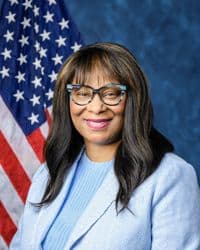
Janelle S. Bynum
Democratic Representative
Oregon
Commodity Markets, Digital Assets, and Rural Development Subcommittee, Agriculture Committee, Education and Workforce Committee
- Introduced
- In Committee
- On Floor
- Passed Chamber
- Enacted
The Rural Service and Workforce Corps Act establishes a program designed to alleviate critical workforce shortages in designated rural areas across the United States. Modeled after the National Health Service Corps, this initiative provides various forms of education assistance, including scholarships, tuition assistance, and student loan repayment , along with stipends and relocation incentives. In return for these benefits, participants commit to serving for three years in a rural area identified by the Secretary of Agriculture. The program specifically targets employment sectors such as health care, skilled trades, energy infrastructure, and utilities , with provisions for updating these priorities in consultation with the Secretary of Labor. Eligible service locations include persistent poverty counties, health professional shortage areas, and communities with Indian tribal, Alaska Native, or Native Hawaiian populations. Administered by the Secretary of Agriculture in consultation with other federal agencies, the program aims to engage public, nonprofit, cooperative, tribal, and private employers. Within four years of enactment, the Secretary is mandated to report to Congress on the program's implementation, effectiveness, and any challenges encountered, including recommendations for improvement.
View Full TextSuggested Questions
Get AI-generated questions to help you understand this bill better
Timeline
Introduced in House
Referred to the Committee on Agriculture, and in addition to the Committee on Education and Workforce, for a period to be subsequently determined by the Speaker, in each case for consideration of such provisions as fall within the jurisdiction of the committee concerned.
Referred to the Subcommittee on Commodity Markets, Digital Assets, and Rural Development.
Labor and Employment
Rural Service and Workforce Corps Act
USA119th CongressHR-7201| House
| Updated: 3/20/2026
The Rural Service and Workforce Corps Act establishes a program designed to alleviate critical workforce shortages in designated rural areas across the United States. Modeled after the National Health Service Corps, this initiative provides various forms of education assistance, including scholarships, tuition assistance, and student loan repayment , along with stipends and relocation incentives. In return for these benefits, participants commit to serving for three years in a rural area identified by the Secretary of Agriculture. The program specifically targets employment sectors such as health care, skilled trades, energy infrastructure, and utilities , with provisions for updating these priorities in consultation with the Secretary of Labor. Eligible service locations include persistent poverty counties, health professional shortage areas, and communities with Indian tribal, Alaska Native, or Native Hawaiian populations. Administered by the Secretary of Agriculture in consultation with other federal agencies, the program aims to engage public, nonprofit, cooperative, tribal, and private employers. Within four years of enactment, the Secretary is mandated to report to Congress on the program's implementation, effectiveness, and any challenges encountered, including recommendations for improvement.
View Full TextSuggested Questions
Get AI-generated questions to help you understand this bill better
Timeline
Introduced in House
Referred to the Committee on Agriculture, and in addition to the Committee on Education and Workforce, for a period to be subsequently determined by the Speaker, in each case for consideration of such provisions as fall within the jurisdiction of the committee concerned.
Referred to the Subcommittee on Commodity Markets, Digital Assets, and Rural Development.
Janelle S. Bynum
Democratic Representative
Oregon
Commodity Markets, Digital Assets, and Rural Development Subcommittee, Agriculture Committee, Education and Workforce Committee
Labor and Employment
- Introduced
- In Committee
- On Floor
- Passed Chamber
- Enacted