Eliminating Bias in Algorithmic Systems Act of 2026
USA119th CongressHR-7110| House
| Updated: 1/15/2026
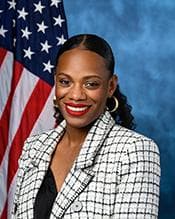
Summer L. Lee
Democratic Representative
Pennsylvania
Cosponsors (16)
Dwight Evans (Democratic)Frederica S. Wilson (Democratic)Delia C. Ramirez (Democratic)Greg Casar (Democratic)Shri Thanedar (Democratic)Henry C. "Hank" Johnson (Democratic)Al Green (Democratic)André Carson (Democratic)Jahana Hayes (Democratic)Eleanor Holmes Norton (Democratic)Bonnie Watson Coleman (Democratic)Bennie G. Thompson (Democratic)Suzanne Bonamici (Democratic)Jesús G. "Chuy" García (Democratic)Valerie P. Foushee (Democratic)Rashida Tlaib (Democratic)
Oversight and Government Reform Committee
- Introduced
- In Committee
- On Floor
- Passed Chamber
- Enacted
This legislation aims to combat bias and discrimination in algorithmic systems used by federal agencies. It mandates that each covered agency —defined as an agency that uses, funds, or oversees algorithms with potential material effects on programs, economic opportunities, or protected rights—establish an office of civil rights. These offices are specifically tasked with employing experts and technologists to focus on bias, discrimination, and other harms attributable to algorithms, particularly concerning individuals or groups possessing protected characteristics such as race, sex, disability, or age. Furthermore, the bill requires these newly established civil rights offices to submit biennial reports to Congress. These reports must detail the state of algorithmic risks within the agency's jurisdiction, outline steps taken to mitigate harms, describe engagement with stakeholders, and provide recommendations for legislative or administrative actions. The Assistant Attorney General for the Civil Rights Division is also directed to establish an interagency working group on covered algorithms and civil rights, with each agency's civil rights office participating to foster coordinated efforts.
View Full TextSuggested Questions
Get AI-generated questions to help you understand this bill better
Timeline
Introduced in House
Referred to the House Committee on Oversight and Government Reform.
Civil Rights and Liberties, Minority Issues
Eliminating Bias in Algorithmic Systems Act of 2026
USA119th CongressHR-7110| House
| Updated: 1/15/2026
This legislation aims to combat bias and discrimination in algorithmic systems used by federal agencies. It mandates that each covered agency —defined as an agency that uses, funds, or oversees algorithms with potential material effects on programs, economic opportunities, or protected rights—establish an office of civil rights. These offices are specifically tasked with employing experts and technologists to focus on bias, discrimination, and other harms attributable to algorithms, particularly concerning individuals or groups possessing protected characteristics such as race, sex, disability, or age. Furthermore, the bill requires these newly established civil rights offices to submit biennial reports to Congress. These reports must detail the state of algorithmic risks within the agency's jurisdiction, outline steps taken to mitigate harms, describe engagement with stakeholders, and provide recommendations for legislative or administrative actions. The Assistant Attorney General for the Civil Rights Division is also directed to establish an interagency working group on covered algorithms and civil rights, with each agency's civil rights office participating to foster coordinated efforts.
View Full TextSuggested Questions
Get AI-generated questions to help you understand this bill better
Timeline
Introduced in House
Referred to the House Committee on Oversight and Government Reform.
Summer L. Lee
Democratic Representative
Pennsylvania
Cosponsors (16)
Dwight Evans (Democratic)Frederica S. Wilson (Democratic)Delia C. Ramirez (Democratic)Greg Casar (Democratic)Shri Thanedar (Democratic)Henry C. "Hank" Johnson (Democratic)Al Green (Democratic)André Carson (Democratic)Jahana Hayes (Democratic)Eleanor Holmes Norton (Democratic)Bonnie Watson Coleman (Democratic)Bennie G. Thompson (Democratic)Suzanne Bonamici (Democratic)Jesús G. "Chuy" García (Democratic)Valerie P. Foushee (Democratic)Rashida Tlaib (Democratic)
Oversight and Government Reform Committee
Civil Rights and Liberties, Minority Issues
- Introduced
- In Committee
- On Floor
- Passed Chamber
- Enacted