Jobs for a Carbon Free Transportation System Act
USA119th CongressHR-6923| House
| Updated: 12/24/2025
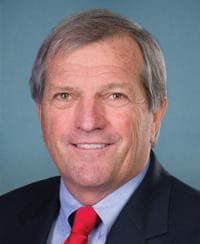
Mark DeSaulnier
Democratic Representative
California
Committees (6)
• Railroads, Pipelines, and Hazardous Materials Subcommittee• Transportation and Infrastructure Committee• Ways and Means Committee• Highways and Transit Subcommittee• Energy and Commerce Committee• Education and Workforce Committee
- Introduced
- In Committee
- On Floor
- Passed Chamber
- Enacted
The "Jobs for a Carbon Free Transportation System Act" aims to reduce carbon emissions, enhance transportation infrastructure, and support the workforce transition to sustainable sectors. Title I establishes a Low Carbon Corridor Grant Program , administered by the Secretary of Transportation, to fund projects that develop connected systems-management corridors. These corridors integrate various transportation methods, including public transit, rail, and alternative modes, with the goals of lowering carbon emissions, increasing inter-connectivity, and boosting infrastructure reinvestment. Eligible uses for these grants include high occupancy vehicle lanes, transit-oriented development, carbon fees, and facilities for electric vehicles, automated vehicles, pedestrians, and bicycles. Projects funded under this program are subject to federal labor standards, such as the Davis-Bacon Act, and include "Buy American" requirements for iron, steel, and manufactured products. Title II focuses on Value Capture mechanisms to finance public transportation and affordable housing. It amends federal law to provide technical assistance and establish voluntary standards for value capture, which involves collecting a portion of the economic value generated by government investments to fund further projects. The bill authorizes the designation of Federal Value Capture Tax Increment Financing Districts by the Secretary of Transportation, allowing states and local governments to finance public transportation, affordable housing, and community development through increased capital gains tax revenues within these designated areas. Additionally, it introduces Qualified Transit-Oriented Development Bonds , a new type of private activity bond, to finance projects near major public transportation facilities, provided they promote affordable housing, high-density development, and value capture. Title III, the "Protecting Workers for a Clean Future Act," addresses the transition of the fossil fuel workforce. It establishes a Renewable Energy Transition Grant Program , managed by the Secretary of Labor, to help local and Tribal governments develop plans for transitioning workers from fossil fuel industries to sustainable jobs. These grants support apprenticeship programs and training for new workforce entrants in sectors like renewable energy and electric vehicles. Crucially, the bill creates a National Employment Corps within the Department of Labor, which offers job guarantee grants to local and Tribal governments for direct employment projects if transition plans are insufficient. This Corps provides comprehensive support, including wages, benefits, and wrap-around services like childcare and counseling, ensuring a minimum wage of $15 per hour plus benefits for participants.
View Full TextSuggested Questions
Get AI-generated questions to help you understand this bill better
Timeline
Introduced in House
Referred to the Committee on Transportation and Infrastructure, and in addition to the Committees on Ways and Means, Education and Workforce, and Energy and Commerce, for a period to be subsequently determined by the Speaker, in each case for consideration of such provisions as fall within the jurisdiction of the committee concerned.
Referred to the Subcommittee on Railroads, Pipelines, and Hazardous Materials.
Referred to the Subcommittee on Highways and Transit.
Environmental Protection
Jobs for a Carbon Free Transportation System Act
USA119th CongressHR-6923| House
| Updated: 12/24/2025
The "Jobs for a Carbon Free Transportation System Act" aims to reduce carbon emissions, enhance transportation infrastructure, and support the workforce transition to sustainable sectors. Title I establishes a Low Carbon Corridor Grant Program , administered by the Secretary of Transportation, to fund projects that develop connected systems-management corridors. These corridors integrate various transportation methods, including public transit, rail, and alternative modes, with the goals of lowering carbon emissions, increasing inter-connectivity, and boosting infrastructure reinvestment. Eligible uses for these grants include high occupancy vehicle lanes, transit-oriented development, carbon fees, and facilities for electric vehicles, automated vehicles, pedestrians, and bicycles. Projects funded under this program are subject to federal labor standards, such as the Davis-Bacon Act, and include "Buy American" requirements for iron, steel, and manufactured products. Title II focuses on Value Capture mechanisms to finance public transportation and affordable housing. It amends federal law to provide technical assistance and establish voluntary standards for value capture, which involves collecting a portion of the economic value generated by government investments to fund further projects. The bill authorizes the designation of Federal Value Capture Tax Increment Financing Districts by the Secretary of Transportation, allowing states and local governments to finance public transportation, affordable housing, and community development through increased capital gains tax revenues within these designated areas. Additionally, it introduces Qualified Transit-Oriented Development Bonds , a new type of private activity bond, to finance projects near major public transportation facilities, provided they promote affordable housing, high-density development, and value capture. Title III, the "Protecting Workers for a Clean Future Act," addresses the transition of the fossil fuel workforce. It establishes a Renewable Energy Transition Grant Program , managed by the Secretary of Labor, to help local and Tribal governments develop plans for transitioning workers from fossil fuel industries to sustainable jobs. These grants support apprenticeship programs and training for new workforce entrants in sectors like renewable energy and electric vehicles. Crucially, the bill creates a National Employment Corps within the Department of Labor, which offers job guarantee grants to local and Tribal governments for direct employment projects if transition plans are insufficient. This Corps provides comprehensive support, including wages, benefits, and wrap-around services like childcare and counseling, ensuring a minimum wage of $15 per hour plus benefits for participants.
View Full TextSuggested Questions
Get AI-generated questions to help you understand this bill better
Timeline
Introduced in House
Referred to the Committee on Transportation and Infrastructure, and in addition to the Committees on Ways and Means, Education and Workforce, and Energy and Commerce, for a period to be subsequently determined by the Speaker, in each case for consideration of such provisions as fall within the jurisdiction of the committee concerned.
Referred to the Subcommittee on Railroads, Pipelines, and Hazardous Materials.
Referred to the Subcommittee on Highways and Transit.
Mark DeSaulnier
Democratic Representative
California
Committees (6)
• Railroads, Pipelines, and Hazardous Materials Subcommittee• Transportation and Infrastructure Committee• Ways and Means Committee• Highways and Transit Subcommittee• Energy and Commerce Committee• Education and Workforce Committee
Environmental Protection
- Introduced
- In Committee
- On Floor
- Passed Chamber
- Enacted