Opportunities for Success Act of 2025
USA119th CongressHR-6606| House
| Updated: 12/11/2025
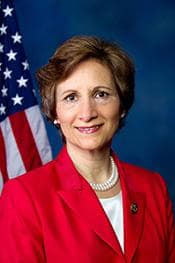
Suzanne Bonamici
Democratic Representative
Oregon
Cosponsors (2)
Education and Workforce Committee
- Introduced
- In Committee
- On Floor
- Passed Chamber
- Enacted
This bill, titled the "Opportunities for Success Act of 2025," aims to reauthorize and substantially enhance the Federal Work-Study (FWS) program. It proposes a significant increase in authorized appropriations, starting at $1.5 billion for fiscal year 2027 and escalating to $2.5 billion by fiscal year 2031 and subsequent years. The legislation broadens the types of eligible FWS activities to include child development, early learning, and a new category of work-based learning , which encompasses internships, fellowships, and apprenticeships. A key provision of the bill is a revised allocation formula designed to reward institutions that demonstrate strong outcomes for Pell Grant recipients. Beginning in fiscal year 2027, a portion of funds will be reserved for "improved institutions" that excel in Pell Grant recipient completion rates and enrollment percentages. The bill also transitions all institutions to a new "fair share" allocation model by fiscal year 2031, primarily based on institutional undergraduate and graduate student need, while making some institutions ineligible if they serve a very low percentage of Pell Grant recipients. The legislation introduces several new requirements for institutions participating in FWS. Starting in fiscal year 2028, institutions must dedicate specific percentages of their FWS funds to certain activities: at least 3 percent for students with exceptional need in work-based learning during nonenrollment periods , at least 7 percent for general work-based learning positions , and at least 7 percent for community service . It also mandates that institutions prioritize FWS employment for students with exceptional need, including homeless individuals and foster care youth. To support students, the bill requires institutions to reimburse reasonable travel expenses related to FWS employment and to notify eligible students about potential eligibility for the Supplemental Nutrition Assistance Program (SNAP). It also allows students to carry over unearned FWS awards under certain conditions and increases the amount institutions can use for job location and development programs. Furthermore, the federal share for FWS wages will be 100 percent for institutions eligible for assistance under Title III or Title V. A new Work-Based Learning Opportunities Pilot Grant Program is established, reserving $30 million for grants to institutions to develop and expand work-based learning positions, particularly for students with exceptional need in high-demand sectors. These grants will support positions with specific duration, hour, and career coaching requirements. The bill also mandates the Secretary of Education to develop and implement comprehensive electronic surveys for students, employers, and institutions to gather feedback on the FWS program's effectiveness and satisfaction levels. The Secretary is also tasked with providing technical assistance to institutions to ensure compliance, effective survey administration, and alignment of FWS positions with students' educational and career goals. Finally, the bill directs the Comptroller General to conduct a study on best practices for assisting FWS students, especially those with exceptional need, in connecting with off-campus employers, securing work-based learning, and balancing employment with academic success, with a report due to Congress within two years.
View Full TextSuggested Questions
Get AI-generated questions to help you understand this bill better
Timeline
Introduced in House
Referred to the House Committee on Education and Workforce.
Education
Opportunities for Success Act of 2025
USA119th CongressHR-6606| House
| Updated: 12/11/2025
This bill, titled the "Opportunities for Success Act of 2025," aims to reauthorize and substantially enhance the Federal Work-Study (FWS) program. It proposes a significant increase in authorized appropriations, starting at $1.5 billion for fiscal year 2027 and escalating to $2.5 billion by fiscal year 2031 and subsequent years. The legislation broadens the types of eligible FWS activities to include child development, early learning, and a new category of work-based learning , which encompasses internships, fellowships, and apprenticeships. A key provision of the bill is a revised allocation formula designed to reward institutions that demonstrate strong outcomes for Pell Grant recipients. Beginning in fiscal year 2027, a portion of funds will be reserved for "improved institutions" that excel in Pell Grant recipient completion rates and enrollment percentages. The bill also transitions all institutions to a new "fair share" allocation model by fiscal year 2031, primarily based on institutional undergraduate and graduate student need, while making some institutions ineligible if they serve a very low percentage of Pell Grant recipients. The legislation introduces several new requirements for institutions participating in FWS. Starting in fiscal year 2028, institutions must dedicate specific percentages of their FWS funds to certain activities: at least 3 percent for students with exceptional need in work-based learning during nonenrollment periods , at least 7 percent for general work-based learning positions , and at least 7 percent for community service . It also mandates that institutions prioritize FWS employment for students with exceptional need, including homeless individuals and foster care youth. To support students, the bill requires institutions to reimburse reasonable travel expenses related to FWS employment and to notify eligible students about potential eligibility for the Supplemental Nutrition Assistance Program (SNAP). It also allows students to carry over unearned FWS awards under certain conditions and increases the amount institutions can use for job location and development programs. Furthermore, the federal share for FWS wages will be 100 percent for institutions eligible for assistance under Title III or Title V. A new Work-Based Learning Opportunities Pilot Grant Program is established, reserving $30 million for grants to institutions to develop and expand work-based learning positions, particularly for students with exceptional need in high-demand sectors. These grants will support positions with specific duration, hour, and career coaching requirements. The bill also mandates the Secretary of Education to develop and implement comprehensive electronic surveys for students, employers, and institutions to gather feedback on the FWS program's effectiveness and satisfaction levels. The Secretary is also tasked with providing technical assistance to institutions to ensure compliance, effective survey administration, and alignment of FWS positions with students' educational and career goals. Finally, the bill directs the Comptroller General to conduct a study on best practices for assisting FWS students, especially those with exceptional need, in connecting with off-campus employers, securing work-based learning, and balancing employment with academic success, with a report due to Congress within two years.
View Full TextSuggested Questions
Get AI-generated questions to help you understand this bill better
Timeline
Introduced in House
Referred to the House Committee on Education and Workforce.
Suzanne Bonamici
Democratic Representative
Oregon
Cosponsors (2)
Education and Workforce Committee
Education
- Introduced
- In Committee
- On Floor
- Passed Chamber
- Enacted