SAFE LiDAR Act
USA119th CongressHR-6576| House
| Updated: 12/10/2025
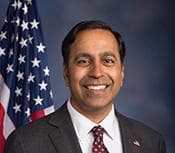
Raja Krishnamoorthi
Democratic Representative
Illinois
Cosponsors (1)
Transportation and Infrastructure Committee, Energy and Commerce Committee, Oversight and Government Reform Committee
- Introduced
- In Committee
- On Floor
- Passed Chamber
- Enacted
The "Stopping Adversaries From Exploiting LiDAR Act of 2025," or "SAFE LiDAR Act," seeks to safeguard national security by restricting the use of Light Detection and Ranging (LiDAR) technology originating from foreign adversary countries within the United States. Congress finds that foreign adversary dominance in LiDAR, critical for autonomous vehicles, defense, and infrastructure, creates significant opportunities for espionage, technical compromise, and supply chain disruption. The bill specifically identifies the People's Republic of China, the Russian Federation, the Islamic Republic of Iran, and the Democratic People's Republic of Korea as foreign adversary countries. The Act imposes a general prohibition, effective three years after enactment, preventing "covered persons" from engaging in transactions that result in the use of covered foreign adversary LiDAR technology in the U.S. For critical infrastructure operators and Federal Government entities, new use of such technology is prohibited immediately upon enactment, while existing use must cease within five years. A "covered person" broadly includes entities involved in LiDAR-related commerce or those routinely using LiDAR, excluding natural persons for personal use. To provide flexibility, the Secretary of Commerce may grant waivers based on national interest, undue hardship, or necessity to avoid cessation of critical functions, often requiring mitigation agreements. Exemptions are also provided for U.S. Government testing, academic research, products manufactured for export, and international transportation services. Additionally, the Secretary can grant extensions if domestic alternative LiDAR supplies are insufficient, and the bill limits new joint ventures or partnerships with foreign adversary LiDAR companies aimed at U.S. market penetration. Enforcement includes civil penalties and injunctive relief, allowing the Secretary of Commerce to block or unwind prohibited transactions or partnerships. The Act mandates the Secretary to establish a program to assist stakeholders with compliance, issue guidance, and process waiver requests. It also requires the formation of a National Security Task Force to address risks from foreign adversary LiDAR and an annual report to Congress detailing enforcement actions, waivers, and emerging threats.
View Full TextSuggested Questions
Get AI-generated questions to help you understand this bill better
Timeline
Introduced in House
Referred to the Committee on Energy and Commerce, and in addition to the Committees on Oversight and Government Reform, and Transportation and Infrastructure, for a period to be subsequently determined by the Speaker, in each case for consideration of such provisions as fall within the jurisdiction of the committee concerned.
Commerce
SAFE LiDAR Act
USA119th CongressHR-6576| House
| Updated: 12/10/2025
The "Stopping Adversaries From Exploiting LiDAR Act of 2025," or "SAFE LiDAR Act," seeks to safeguard national security by restricting the use of Light Detection and Ranging (LiDAR) technology originating from foreign adversary countries within the United States. Congress finds that foreign adversary dominance in LiDAR, critical for autonomous vehicles, defense, and infrastructure, creates significant opportunities for espionage, technical compromise, and supply chain disruption. The bill specifically identifies the People's Republic of China, the Russian Federation, the Islamic Republic of Iran, and the Democratic People's Republic of Korea as foreign adversary countries. The Act imposes a general prohibition, effective three years after enactment, preventing "covered persons" from engaging in transactions that result in the use of covered foreign adversary LiDAR technology in the U.S. For critical infrastructure operators and Federal Government entities, new use of such technology is prohibited immediately upon enactment, while existing use must cease within five years. A "covered person" broadly includes entities involved in LiDAR-related commerce or those routinely using LiDAR, excluding natural persons for personal use. To provide flexibility, the Secretary of Commerce may grant waivers based on national interest, undue hardship, or necessity to avoid cessation of critical functions, often requiring mitigation agreements. Exemptions are also provided for U.S. Government testing, academic research, products manufactured for export, and international transportation services. Additionally, the Secretary can grant extensions if domestic alternative LiDAR supplies are insufficient, and the bill limits new joint ventures or partnerships with foreign adversary LiDAR companies aimed at U.S. market penetration. Enforcement includes civil penalties and injunctive relief, allowing the Secretary of Commerce to block or unwind prohibited transactions or partnerships. The Act mandates the Secretary to establish a program to assist stakeholders with compliance, issue guidance, and process waiver requests. It also requires the formation of a National Security Task Force to address risks from foreign adversary LiDAR and an annual report to Congress detailing enforcement actions, waivers, and emerging threats.
View Full TextSuggested Questions
Get AI-generated questions to help you understand this bill better
Timeline
Introduced in House
Referred to the Committee on Energy and Commerce, and in addition to the Committees on Oversight and Government Reform, and Transportation and Infrastructure, for a period to be subsequently determined by the Speaker, in each case for consideration of such provisions as fall within the jurisdiction of the committee concerned.
Raja Krishnamoorthi
Democratic Representative
Illinois
Cosponsors (1)
Transportation and Infrastructure Committee, Energy and Commerce Committee, Oversight and Government Reform Committee
Commerce
- Introduced
- In Committee
- On Floor
- Passed Chamber
- Enacted