Healthy Competition for Better Care Act
USA119th CongressHR-6248| House
| Updated: 11/21/2025
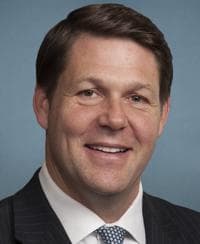
Jodey C. Arrington
Republican Representative
Texas
Cosponsors (5)
Ways and Means Committee, Energy and Commerce Committee, Education and Workforce Committee
- Introduced
- In Committee
- On Floor
- Passed Chamber
- Enacted
The "Healthy Competition for Better Care Act" aims to eliminate anticompetitive practices in healthcare contracts by amending the Public Health Service Act, ERISA, and the Internal Revenue Code. Its primary goal is to empower group health plans and health insurance issuers to design more flexible networks and encourage access to more affordable, higher-quality care. The bill specifically prohibits agreements between health plans or issuers and "covered entities" (such as healthcare providers or networks) that restrict the plan's ability to direct or steer participants to other providers or offer incentives for utilizing specific providers. It also bans clauses that mandate additional agreements with affiliates of the covered entity, require plans to accept payment rates for affiliates not directly involved in the contract, or restrict other plans from negotiating lower rates for services. Important exceptions are included for traditional Health Maintenance Organizations (HMOs) operating through exclusive contracts with multi-specialty physician groups, as well as various value-based network arrangements . Examples of exempted value-based arrangements include accountable care organizations, exclusive provider networks, and centers of excellence, which are recognized for their potential to improve care coordination and outcomes. The act clarifies that it does not limit a health plan's or issuer's ability to implement innovative network designs or cost and quality initiatives, such as tiered provider networks or pay-for-performance programs, beyond the explicit prohibitions. Federal agencies are mandated to issue regulations within one year, with the provisions taking effect for contracts entered into, amended, or renewed 18 months after enactment.
View Full TextSuggested Questions
Get AI-generated questions to help you understand this bill better
Timeline
Introduced in House
Referred to the Committee on Energy and Commerce, and in addition to the Committees on Education and Workforce, and Ways and Means, for a period to be subsequently determined by the Speaker, in each case for consideration of such provisions as fall within the jurisdiction of the committee concerned.
Health
Healthy Competition for Better Care Act
USA119th CongressHR-6248| House
| Updated: 11/21/2025
The "Healthy Competition for Better Care Act" aims to eliminate anticompetitive practices in healthcare contracts by amending the Public Health Service Act, ERISA, and the Internal Revenue Code. Its primary goal is to empower group health plans and health insurance issuers to design more flexible networks and encourage access to more affordable, higher-quality care. The bill specifically prohibits agreements between health plans or issuers and "covered entities" (such as healthcare providers or networks) that restrict the plan's ability to direct or steer participants to other providers or offer incentives for utilizing specific providers. It also bans clauses that mandate additional agreements with affiliates of the covered entity, require plans to accept payment rates for affiliates not directly involved in the contract, or restrict other plans from negotiating lower rates for services. Important exceptions are included for traditional Health Maintenance Organizations (HMOs) operating through exclusive contracts with multi-specialty physician groups, as well as various value-based network arrangements . Examples of exempted value-based arrangements include accountable care organizations, exclusive provider networks, and centers of excellence, which are recognized for their potential to improve care coordination and outcomes. The act clarifies that it does not limit a health plan's or issuer's ability to implement innovative network designs or cost and quality initiatives, such as tiered provider networks or pay-for-performance programs, beyond the explicit prohibitions. Federal agencies are mandated to issue regulations within one year, with the provisions taking effect for contracts entered into, amended, or renewed 18 months after enactment.
View Full TextSuggested Questions
Get AI-generated questions to help you understand this bill better
Timeline
Introduced in House
Referred to the Committee on Energy and Commerce, and in addition to the Committees on Education and Workforce, and Ways and Means, for a period to be subsequently determined by the Speaker, in each case for consideration of such provisions as fall within the jurisdiction of the committee concerned.
Jodey C. Arrington
Republican Representative
Texas
Cosponsors (5)
Ways and Means Committee, Energy and Commerce Committee, Education and Workforce Committee
Health
Related Bills
- Introduced
- In Committee
- On Floor
- Passed Chamber
- Enacted