Transition Improvement by Estimating Risk Act of 2025
USA119th CongressHR-6097| House
| Updated: 11/18/2025
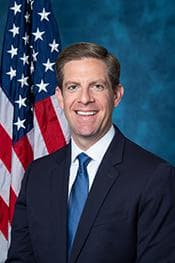
Mike Levin
Democratic Representative
California
Cosponsors (1)
Armed Services Committee
- Introduced
- In Committee
- On Floor
- Passed Chamber
- Enacted
This bill seeks to enhance the effectiveness of the Transition Assistance Program (TAP) by requiring the consideration of additional personal and family factors when designing transition pathways for service members. It specifically amends title 10, United States Code, to broaden the scope of information used in tailoring these programs. The new factors to be incorporated include the child care requirements of the member, particularly if a dependent is enrolled in the Exceptional Family Member Program. It also mandates consideration of the employment status of other adults in the member's household, the location of the duty station (including family separation during duty), and the effects of operating and personnel tempo on both the service member and their household, aiming for a more comprehensive and individualized transition process.
View Full TextSuggested Questions
Get AI-generated questions to help you understand this bill better
Timeline
Introduced in House
Referred to the House Committee on Armed Services.
Armed Forces and National Security
Transition Improvement by Estimating Risk Act of 2025
USA119th CongressHR-6097| House
| Updated: 11/18/2025
This bill seeks to enhance the effectiveness of the Transition Assistance Program (TAP) by requiring the consideration of additional personal and family factors when designing transition pathways for service members. It specifically amends title 10, United States Code, to broaden the scope of information used in tailoring these programs. The new factors to be incorporated include the child care requirements of the member, particularly if a dependent is enrolled in the Exceptional Family Member Program. It also mandates consideration of the employment status of other adults in the member's household, the location of the duty station (including family separation during duty), and the effects of operating and personnel tempo on both the service member and their household, aiming for a more comprehensive and individualized transition process.
View Full TextSuggested Questions
Get AI-generated questions to help you understand this bill better
Timeline
Introduced in House
Referred to the House Committee on Armed Services.
Mike Levin
Democratic Representative
California
Cosponsors (1)
Armed Services Committee
Armed Forces and National Security
- Introduced
- In Committee
- On Floor
- Passed Chamber
- Enacted