Assuring Medicare’s Promise Act of 2025
USA119th CongressHR-609| House
| Updated: 1/22/2025
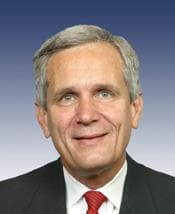
Lloyd Doggett
Democratic Representative
Texas
Cosponsors (57)
Nikema Williams (Democratic)Yassamin Ansari (Democratic)John Garamendi (Democratic)Jared Huffman (Democratic)Marc A. Veasey (Democratic)Julie Johnson (Democratic)Raúl M. Grijalva (Democratic)Mark Pocan (Democratic)Christopher R. Deluzio (Democratic)Frederica S. Wilson (Democratic)Terri A. Sewell (Democratic)Dina Titus (Democratic)Maxwell Frost (Democratic)Debbie Dingell (Democratic)Melanie A. Stansbury (Democratic)Steve Cohen (Democratic)Andrea Salinas (Democratic)Paul Tonko (Democratic)Delia C. Ramirez (Democratic)Rosa L. DeLauro (Democratic)Greg Casar (Democratic)Adriano Espaillat (Democratic)Danny K. Davis (Democratic)Ro Khanna (Democratic)Jasmine Crockett (Democratic)Henry C. "Hank" Johnson (Democratic)André Carson (Democratic)Brendan F. Boyle (Democratic)John B. Larson (Democratic)Joaquin Castro (Democratic)Stephen F. Lynch (Democratic)Mark DeSaulnier (Democratic)Daniel S. Goldman (Democratic)Jerrold Nadler (Democratic)Adelita S. Grijalva (Democratic)Alma S. Adams (Democratic)Pramila Jayapal (Democratic)Eleanor Holmes Norton (Democratic)Val T. Hoyle (Democratic)Diana DeGette (Democratic)Janice D. Schakowsky (Democratic)James P. McGovern (Democratic)Alexandria Ocasio-Cortez (Democratic)Summer L. Lee (Democratic)Nydia M. Velázquez (Democratic)Julia Brownley (Democratic)Cleo Fields (Democratic)Bennie G. Thompson (Democratic)Sylvester Turner (Democratic)Linda T. Sánchez (Democratic)Nanette Diaz Barragán (Democratic)Gwen Moore (Democratic)Rashida Tlaib (Democratic)Veronica Escobar (Democratic)Chellie Pingree (Democratic)Mike Levin (Democratic)Judy Chu (Democratic)
Ways and Means Committee
- Introduced
- In Committee
- On Floor
- Passed Chamber
- Enacted
This bill aims to bolster the financial stability of the Federal Hospital Insurance Trust Fund, which supports Medicare Part A. It achieves this by amending the Social Security Act to direct all revenues generated from the net investment income tax (NIIT) into this crucial trust fund, rather than the general fund. Furthermore, the legislation significantly modifies the application of the net investment income tax under the Internal Revenue Code for high-income individuals. For those with modified adjusted gross income exceeding thresholds like $400,000 for single filers or $500,000 for joint filers, the NIIT will apply to a broader base, specifically the greater of their "specified net income" or traditional net investment income. This "specified net income" expands the tax's reach to include certain income derived from a trade or business that was previously exempt, effectively closing loopholes for high earners. The bill also clarifies and expands the types of income subject to the NIIT. It explicitly includes certain foreign income, such as Subpart F income, Global Intangible Low-Taxed Income (GILTI), and Passive Foreign Investment Company (PFIC) income, within the tax base. Additionally, it specifies that net operating losses (NOLs) cannot reduce income subject to the NIIT and directs the Treasury Secretary to issue guidance on the treatment of previously taxed income distributions. These amendments are designed to ensure that more investment and certain business income from high-income individuals contributes to Medicare's solvency. The provisions of this Act are slated to take effect for taxable years beginning after December 31, 2025.
Suggested Questions
Get AI-generated questions to help you understand this bill better
Timeline
Introduced in House
Referred to the House Committee on Ways and Means.
Taxation
Financial services and investmentsGovernment trust fundsHealth care costs and insuranceHealth programs administration and fundingHospital careIncome tax ratesInterest, dividends, interest ratesMedicareTaxation of foreign income
Assuring Medicare’s Promise Act of 2025
USA119th CongressHR-609| House
| Updated: 1/22/2025
This bill aims to bolster the financial stability of the Federal Hospital Insurance Trust Fund, which supports Medicare Part A. It achieves this by amending the Social Security Act to direct all revenues generated from the net investment income tax (NIIT) into this crucial trust fund, rather than the general fund. Furthermore, the legislation significantly modifies the application of the net investment income tax under the Internal Revenue Code for high-income individuals. For those with modified adjusted gross income exceeding thresholds like $400,000 for single filers or $500,000 for joint filers, the NIIT will apply to a broader base, specifically the greater of their "specified net income" or traditional net investment income. This "specified net income" expands the tax's reach to include certain income derived from a trade or business that was previously exempt, effectively closing loopholes for high earners. The bill also clarifies and expands the types of income subject to the NIIT. It explicitly includes certain foreign income, such as Subpart F income, Global Intangible Low-Taxed Income (GILTI), and Passive Foreign Investment Company (PFIC) income, within the tax base. Additionally, it specifies that net operating losses (NOLs) cannot reduce income subject to the NIIT and directs the Treasury Secretary to issue guidance on the treatment of previously taxed income distributions. These amendments are designed to ensure that more investment and certain business income from high-income individuals contributes to Medicare's solvency. The provisions of this Act are slated to take effect for taxable years beginning after December 31, 2025.
Suggested Questions
Get AI-generated questions to help you understand this bill better
Timeline
Introduced in House
Referred to the House Committee on Ways and Means.
Lloyd Doggett
Democratic Representative
Texas
Cosponsors (57)
Nikema Williams (Democratic)Yassamin Ansari (Democratic)John Garamendi (Democratic)Jared Huffman (Democratic)Marc A. Veasey (Democratic)Julie Johnson (Democratic)Raúl M. Grijalva (Democratic)Mark Pocan (Democratic)Christopher R. Deluzio (Democratic)Frederica S. Wilson (Democratic)Terri A. Sewell (Democratic)Dina Titus (Democratic)Maxwell Frost (Democratic)Debbie Dingell (Democratic)Melanie A. Stansbury (Democratic)Steve Cohen (Democratic)Andrea Salinas (Democratic)Paul Tonko (Democratic)Delia C. Ramirez (Democratic)Rosa L. DeLauro (Democratic)Greg Casar (Democratic)Adriano Espaillat (Democratic)Danny K. Davis (Democratic)Ro Khanna (Democratic)Jasmine Crockett (Democratic)Henry C. "Hank" Johnson (Democratic)André Carson (Democratic)Brendan F. Boyle (Democratic)John B. Larson (Democratic)Joaquin Castro (Democratic)Stephen F. Lynch (Democratic)Mark DeSaulnier (Democratic)Daniel S. Goldman (Democratic)Jerrold Nadler (Democratic)Adelita S. Grijalva (Democratic)Alma S. Adams (Democratic)Pramila Jayapal (Democratic)Eleanor Holmes Norton (Democratic)Val T. Hoyle (Democratic)Diana DeGette (Democratic)Janice D. Schakowsky (Democratic)James P. McGovern (Democratic)Alexandria Ocasio-Cortez (Democratic)Summer L. Lee (Democratic)Nydia M. Velázquez (Democratic)Julia Brownley (Democratic)Cleo Fields (Democratic)Bennie G. Thompson (Democratic)Sylvester Turner (Democratic)Linda T. Sánchez (Democratic)Nanette Diaz Barragán (Democratic)Gwen Moore (Democratic)Rashida Tlaib (Democratic)Veronica Escobar (Democratic)Chellie Pingree (Democratic)Mike Levin (Democratic)Judy Chu (Democratic)
Ways and Means Committee
Taxation
- Introduced
- In Committee
- On Floor
- Passed Chamber
- Enacted
Financial services and investmentsGovernment trust fundsHealth care costs and insuranceHealth programs administration and fundingHospital careIncome tax ratesInterest, dividends, interest ratesMedicareTaxation of foreign income