Stop Excessive Force in Immigration Act of 2025
USA119th CongressHR-5973| House
| Updated: 11/7/2025
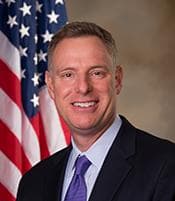
Scott H. Peters
Democratic Representative
California
Cosponsors (112)
John W. Mannion (Democratic)April McClain Delaney (Democratic)Donald Norcross (Democratic)Sam T. Liccardo (Democratic)Nikema Williams (Democratic)Yassamin Ansari (Democratic)Laura Friedman (Democratic)John Garamendi (Democratic)Jonathan L. Jackson (Democratic)Gilbert Ray Cisneros (Democratic)Sylvia R. Garcia (Democratic)Kelly Morrison (Democratic)Jared Huffman (Democratic)Marc A. Veasey (Democratic)Steny H. Hoyer (Democratic)Robert C. "Bobby" Scott (Democratic)Robin L. Kelly (Democratic)Ritchie Torres (Democratic)Mark Pocan (Democratic)Joyce Beatty (Democratic)Jennifer L. McClellan (Democratic)Chrissy Houlahan (Democratic)Darren Soto (Democratic)Raul Ruiz (Democratic)Bill Foster (Democratic)Shontel M. Brown (Democratic)David Scott (Democratic)Juan Vargas (Democratic)Terri A. Sewell (Democratic)James R. Walkinshaw (Democratic)Steven Horsford (Democratic)Jimmy Panetta (Democratic)J. Luis Correa (Democratic)Dina Titus (Democratic)Debbie Dingell (Democratic)Madeleine Dean (Democratic)Suzan K. DelBene (Democratic)Sarah Elfreth (Democratic)Paul Tonko (Democratic)Angie Craig (Democratic)Haley M. Stevens (Democratic)Dave Min (Democratic)Shri Thanedar (Democratic)Danny K. Davis (Democratic)Jake Auchincloss (Democratic)Ted Lieu (Democratic)Ro Khanna (Democratic)Greg Stanton (Democratic)George Latimer (Democratic)Jasmine Crockett (Democratic)Henry C. "Hank" Johnson (Democratic)Derek Tran (Democratic)Nikki Budzinski (Democratic)Mark DeSaulnier (Democratic)Joseph D. Morelle (Democratic)Doris O. Matsui (Democratic)Sara Jacobs (Democratic)Marilyn Strickland (Democratic)Suhas Subramanyam (Democratic)Daniel S. Goldman (Democratic)Morgan McGarvey (Democratic)Raja Krishnamoorthi (Democratic)Jerrold Nadler (Democratic)LaMonica McIver (Democratic)Adelita S. Grijalva (Democratic)Ami Bera (Democratic)Josh Harder (Democratic)Mark Takano (Democratic)Kathy Castor (Democratic)Betty McCollum (Democratic)Eleanor Holmes Norton (Democratic)Brad Sherman (Democratic)Bonnie Watson Coleman (Democratic)Wesley Bell (Democratic)Norma J. Torres (Democratic)Salud O. Carbajal (Democratic)Jim Costa (Democratic)Joe Neguse (Democratic)Mike Quigley (Democratic)Lois Frankel (Democratic)Sean Casten (Democratic)Diana DeGette (Democratic)Janice D. Schakowsky (Democratic)Nydia M. Velázquez (Democratic)Maggie Goodlander (Democratic)Julia Brownley (Democratic)Sarah McBride (Democratic)Yvette D. Clarke (Democratic)Rick Larsen (Democratic)Deborah K. Ross (Democratic)Lori Trahan (Democratic)Seth Moulton (Democratic)Mike Thompson (Democratic)Lizzie Fletcher (Democratic)Luz M. Rivas (Democratic)Linda T. Sánchez (Democratic)Emily Randall (Democratic)Zoe Lofgren (Democratic)Nanette Diaz Barragán (Democratic)Jesús G. "Chuy" García (Democratic)Kevin Mullin (Democratic)Gwen Moore (Democratic)Jimmy Gomez (Democratic)Valerie P. Foushee (Democratic)Bradley Scott Schneider (Democratic)Kweisi Mfume (Democratic)Veronica Escobar (Democratic)Herbert C. Conaway (Democratic)Debbie Wasserman Schultz (Democratic)Chellie Pingree (Democratic)Mike Levin (Democratic)Judy Chu (Democratic)
Judiciary Committee
- Introduced
- In Committee
- On Floor
- Passed Chamber
- Enacted
This bill, titled the "Stop Excessive Force in Immigration Act of 2025," aims to establish significant limitations and accountability measures for federal immigration enforcement personnel. It introduces new standards for the use of force, mandates the use of body and vehicle cameras, and restricts certain types of equipment. The legislation also outlines comprehensive training requirements and establishes reporting and database protocols to enhance transparency and oversight of enforcement operations. Specifically, the bill permits non-deadly force only when no reasonably effective, safe, and feasible alternative exists, requiring proportionality to resistance and consideration of subject vulnerabilities. Personnel are mandated to make all reasonable efforts to de-escalate tensions and have an affirmative duty to intervene against excessive force and report violations. Furthermore, it limits the use of masks and requires clear identification, prohibiting uniforms that could lead to misidentification as local police. The legislation prohibits federal immigration enforcement personnel from using restricted equipment such as noise flash diversionary devices , rubber bullets, pepper balls, and tear gas, with narrow exceptions for specific high-risk operations. It also mandates the Secretary of Homeland Security to develop a directive requiring body-worn cameras for all personnel and dashboard cameras for vehicles, with default-on settings and specific retention policies for footage. Annual training is required, covering use-of-force policies, de-escalation techniques, and constitutional protections. To ensure accountability, the bill requires the Department of Homeland Security and the Department of Justice to submit regular reports to Congress on use-of-force incidents, assaults on personnel, and instances of operating without identification. It also mandates the creation of accessible databases for training certifications, use-of-force incidents, and civil rights complaints, with both unredacted access for Congress and a public version. A rule of construction clarifies that the act does not grant additional deadly force authority or prevent actions necessary for safety.
View Full TextSuggested Questions
Get AI-generated questions to help you understand this bill better
Timeline
Introduced in House
Referred to the House Committee on the Judiciary.
Immigration
Stop Excessive Force in Immigration Act of 2025
USA119th CongressHR-5973| House
| Updated: 11/7/2025
This bill, titled the "Stop Excessive Force in Immigration Act of 2025," aims to establish significant limitations and accountability measures for federal immigration enforcement personnel. It introduces new standards for the use of force, mandates the use of body and vehicle cameras, and restricts certain types of equipment. The legislation also outlines comprehensive training requirements and establishes reporting and database protocols to enhance transparency and oversight of enforcement operations. Specifically, the bill permits non-deadly force only when no reasonably effective, safe, and feasible alternative exists, requiring proportionality to resistance and consideration of subject vulnerabilities. Personnel are mandated to make all reasonable efforts to de-escalate tensions and have an affirmative duty to intervene against excessive force and report violations. Furthermore, it limits the use of masks and requires clear identification, prohibiting uniforms that could lead to misidentification as local police. The legislation prohibits federal immigration enforcement personnel from using restricted equipment such as noise flash diversionary devices , rubber bullets, pepper balls, and tear gas, with narrow exceptions for specific high-risk operations. It also mandates the Secretary of Homeland Security to develop a directive requiring body-worn cameras for all personnel and dashboard cameras for vehicles, with default-on settings and specific retention policies for footage. Annual training is required, covering use-of-force policies, de-escalation techniques, and constitutional protections. To ensure accountability, the bill requires the Department of Homeland Security and the Department of Justice to submit regular reports to Congress on use-of-force incidents, assaults on personnel, and instances of operating without identification. It also mandates the creation of accessible databases for training certifications, use-of-force incidents, and civil rights complaints, with both unredacted access for Congress and a public version. A rule of construction clarifies that the act does not grant additional deadly force authority or prevent actions necessary for safety.
View Full TextSuggested Questions
Get AI-generated questions to help you understand this bill better
Timeline
Introduced in House
Referred to the House Committee on the Judiciary.
Scott H. Peters
Democratic Representative
California
Cosponsors (112)
John W. Mannion (Democratic)April McClain Delaney (Democratic)Donald Norcross (Democratic)Sam T. Liccardo (Democratic)Nikema Williams (Democratic)Yassamin Ansari (Democratic)Laura Friedman (Democratic)John Garamendi (Democratic)Jonathan L. Jackson (Democratic)Gilbert Ray Cisneros (Democratic)Sylvia R. Garcia (Democratic)Kelly Morrison (Democratic)Jared Huffman (Democratic)Marc A. Veasey (Democratic)Steny H. Hoyer (Democratic)Robert C. "Bobby" Scott (Democratic)Robin L. Kelly (Democratic)Ritchie Torres (Democratic)Mark Pocan (Democratic)Joyce Beatty (Democratic)Jennifer L. McClellan (Democratic)Chrissy Houlahan (Democratic)Darren Soto (Democratic)Raul Ruiz (Democratic)Bill Foster (Democratic)Shontel M. Brown (Democratic)David Scott (Democratic)Juan Vargas (Democratic)Terri A. Sewell (Democratic)James R. Walkinshaw (Democratic)Steven Horsford (Democratic)Jimmy Panetta (Democratic)J. Luis Correa (Democratic)Dina Titus (Democratic)Debbie Dingell (Democratic)Madeleine Dean (Democratic)Suzan K. DelBene (Democratic)Sarah Elfreth (Democratic)Paul Tonko (Democratic)Angie Craig (Democratic)Haley M. Stevens (Democratic)Dave Min (Democratic)Shri Thanedar (Democratic)Danny K. Davis (Democratic)Jake Auchincloss (Democratic)Ted Lieu (Democratic)Ro Khanna (Democratic)Greg Stanton (Democratic)George Latimer (Democratic)Jasmine Crockett (Democratic)Henry C. "Hank" Johnson (Democratic)Derek Tran (Democratic)Nikki Budzinski (Democratic)Mark DeSaulnier (Democratic)Joseph D. Morelle (Democratic)Doris O. Matsui (Democratic)Sara Jacobs (Democratic)Marilyn Strickland (Democratic)Suhas Subramanyam (Democratic)Daniel S. Goldman (Democratic)Morgan McGarvey (Democratic)Raja Krishnamoorthi (Democratic)Jerrold Nadler (Democratic)LaMonica McIver (Democratic)Adelita S. Grijalva (Democratic)Ami Bera (Democratic)Josh Harder (Democratic)Mark Takano (Democratic)Kathy Castor (Democratic)Betty McCollum (Democratic)Eleanor Holmes Norton (Democratic)Brad Sherman (Democratic)Bonnie Watson Coleman (Democratic)Wesley Bell (Democratic)Norma J. Torres (Democratic)Salud O. Carbajal (Democratic)Jim Costa (Democratic)Joe Neguse (Democratic)Mike Quigley (Democratic)Lois Frankel (Democratic)Sean Casten (Democratic)Diana DeGette (Democratic)Janice D. Schakowsky (Democratic)Nydia M. Velázquez (Democratic)Maggie Goodlander (Democratic)Julia Brownley (Democratic)Sarah McBride (Democratic)Yvette D. Clarke (Democratic)Rick Larsen (Democratic)Deborah K. Ross (Democratic)Lori Trahan (Democratic)Seth Moulton (Democratic)Mike Thompson (Democratic)Lizzie Fletcher (Democratic)Luz M. Rivas (Democratic)Linda T. Sánchez (Democratic)Emily Randall (Democratic)Zoe Lofgren (Democratic)Nanette Diaz Barragán (Democratic)Jesús G. "Chuy" García (Democratic)Kevin Mullin (Democratic)Gwen Moore (Democratic)Jimmy Gomez (Democratic)Valerie P. Foushee (Democratic)Bradley Scott Schneider (Democratic)Kweisi Mfume (Democratic)Veronica Escobar (Democratic)Herbert C. Conaway (Democratic)Debbie Wasserman Schultz (Democratic)Chellie Pingree (Democratic)Mike Levin (Democratic)Judy Chu (Democratic)
Judiciary Committee
Immigration
- Introduced
- In Committee
- On Floor
- Passed Chamber
- Enacted