Restoring Access for Detainees Act
USA119th CongressHR-5941| House
| Updated: 11/7/2025
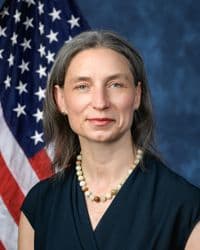
Maxine Dexter
Democratic Representative
Oregon
Cosponsors (49)
Stacey E. Plaskett (Democratic)Nikema Williams (Democratic)Yassamin Ansari (Democratic)Becca Balint (Democratic)Laura Friedman (Democratic)Gilbert Ray Cisneros (Democratic)Kelly Morrison (Democratic)Robin L. Kelly (Democratic)Julie Johnson (Democratic)Christopher R. Deluzio (Democratic)Frederica S. Wilson (Democratic)Steven Horsford (Democratic)Scott H. Peters (Democratic)Andrea Salinas (Democratic)Dave Min (Democratic)Shri Thanedar (Democratic)Danny K. Davis (Democratic)Ted Lieu (Democratic)George Latimer (Democratic)Jasmine Crockett (Democratic)Derek Tran (Democratic)Jill N. Tokuda (Democratic)Suhas Subramanyam (Democratic)Daniel S. Goldman (Democratic)LaMonica McIver (Democratic)Sydney Kamlager-Dove (Democratic)Pramila Jayapal (Democratic)Eleanor Holmes Norton (Democratic)Val T. Hoyle (Democratic)Bonnie Watson Coleman (Democratic)Nellie Pou (Democratic)Mary Gay Scanlon (Democratic)Salud O. Carbajal (Democratic)Eric Sorensen (Democratic)Seth Magaziner (Democratic)Yvette D. Clarke (Democratic)Rick Larsen (Democratic)Suzanne Bonamici (Democratic)Lizzie Fletcher (Democratic)Luz M. Rivas (Democratic)Emily Randall (Democratic)Zoe Lofgren (Democratic)Jesús G. "Chuy" García (Democratic)Susie Lee (Democratic)Rashida Tlaib (Democratic)Veronica Escobar (Democratic)Debbie Wasserman Schultz (Democratic)Chellie Pingree (Democratic)Judy Chu (Democratic)
Judiciary Committee
- Introduced
- In Committee
- On Floor
- Passed Chamber
- Enacted
This bill seeks to restore and expand free telephone service for individuals held in immigration detention, recognizing the critical need for detainees to access legal counsel and maintain ties with family. It addresses the inadequacy of current communication options and aims to reinstate a program that provided free minutes during the COVID-19 pandemic, which was later halted due to a lack of funding. The legislation asserts that a portion of recent funding allocated to U.S. Immigration and Customs Enforcement should be used to support this vital communication program. The bill mandates several communication requirements for aliens in Department of Homeland Security custody. These include an initial 10-minute call to an immediate family member upon arrival or transfer, 200 free minutes each month for outgoing communication to family and other specified persons, and unlimited free minutes for calls to legal counsel , potential legal counsel, consulate officials, and various government and legal entities. These entities include the Executive Office for Immigration Review, immigration courts, the United Nations High Commissioner for Refugees, and offices investigating detention conditions. Furthermore, communications with legal and official contacts are to be confidential, prohibiting monitoring or recording without a lawful warrant, and must occur in a private setting. Detention facilities are authorized to establish consistent policies for the time, place, and manner of communications but cannot restrict the number of minutes or duration of calls with legal representatives.
View Full TextSuggested Questions
Get AI-generated questions to help you understand this bill better
Timeline
Introduced in House
Referred to the House Committee on the Judiciary.
Immigration
Restoring Access for Detainees Act
USA119th CongressHR-5941| House
| Updated: 11/7/2025
This bill seeks to restore and expand free telephone service for individuals held in immigration detention, recognizing the critical need for detainees to access legal counsel and maintain ties with family. It addresses the inadequacy of current communication options and aims to reinstate a program that provided free minutes during the COVID-19 pandemic, which was later halted due to a lack of funding. The legislation asserts that a portion of recent funding allocated to U.S. Immigration and Customs Enforcement should be used to support this vital communication program. The bill mandates several communication requirements for aliens in Department of Homeland Security custody. These include an initial 10-minute call to an immediate family member upon arrival or transfer, 200 free minutes each month for outgoing communication to family and other specified persons, and unlimited free minutes for calls to legal counsel , potential legal counsel, consulate officials, and various government and legal entities. These entities include the Executive Office for Immigration Review, immigration courts, the United Nations High Commissioner for Refugees, and offices investigating detention conditions. Furthermore, communications with legal and official contacts are to be confidential, prohibiting monitoring or recording without a lawful warrant, and must occur in a private setting. Detention facilities are authorized to establish consistent policies for the time, place, and manner of communications but cannot restrict the number of minutes or duration of calls with legal representatives.
View Full TextSuggested Questions
Get AI-generated questions to help you understand this bill better
Timeline
Introduced in House
Referred to the House Committee on the Judiciary.
Maxine Dexter
Democratic Representative
Oregon
Cosponsors (49)
Stacey E. Plaskett (Democratic)Nikema Williams (Democratic)Yassamin Ansari (Democratic)Becca Balint (Democratic)Laura Friedman (Democratic)Gilbert Ray Cisneros (Democratic)Kelly Morrison (Democratic)Robin L. Kelly (Democratic)Julie Johnson (Democratic)Christopher R. Deluzio (Democratic)Frederica S. Wilson (Democratic)Steven Horsford (Democratic)Scott H. Peters (Democratic)Andrea Salinas (Democratic)Dave Min (Democratic)Shri Thanedar (Democratic)Danny K. Davis (Democratic)Ted Lieu (Democratic)George Latimer (Democratic)Jasmine Crockett (Democratic)Derek Tran (Democratic)Jill N. Tokuda (Democratic)Suhas Subramanyam (Democratic)Daniel S. Goldman (Democratic)LaMonica McIver (Democratic)Sydney Kamlager-Dove (Democratic)Pramila Jayapal (Democratic)Eleanor Holmes Norton (Democratic)Val T. Hoyle (Democratic)Bonnie Watson Coleman (Democratic)Nellie Pou (Democratic)Mary Gay Scanlon (Democratic)Salud O. Carbajal (Democratic)Eric Sorensen (Democratic)Seth Magaziner (Democratic)Yvette D. Clarke (Democratic)Rick Larsen (Democratic)Suzanne Bonamici (Democratic)Lizzie Fletcher (Democratic)Luz M. Rivas (Democratic)Emily Randall (Democratic)Zoe Lofgren (Democratic)Jesús G. "Chuy" García (Democratic)Susie Lee (Democratic)Rashida Tlaib (Democratic)Veronica Escobar (Democratic)Debbie Wasserman Schultz (Democratic)Chellie Pingree (Democratic)Judy Chu (Democratic)
Judiciary Committee
Immigration
Related Bills
- Introduced
- In Committee
- On Floor
- Passed Chamber
- Enacted